Boston: The New England City Built on a Filled Marsh and Fierce Loyalty



September 16, 2026
8 min read
Boston is a city that is continuously becoming. The Puritans established a fortified town on a marshy peninsula off the mainland, building it up to what we know today. It has long been a hub where things happen: the abolition movement, immigration, and a university boom that continues to draw students and families alike.
As you make your way through Boston, you’ll find a city whose history is layered on top of itself like exposed sedimentary rock. You’ll find colonial burial grounds wedged between state-of-the-art glass towers, a painted Freedom Trail line running through a working downtown, and a subway older than the automobile.
Boston is small, dense, and filled with neighborhoods, each with a distinct identity. The best way to experience it is to take the train and wheel or walk across it, taking in each neighborhood for what it is. Wear comfy clothes, good shoes, and give yourself more time than you think you’ll need. You’ll surely uncover a version of the city that feels lived-in, not staged.
Some numbers to note before you head to the city and broader region:
- Boston's colleges and universities enrolled about 162,000 students in fall 2024, one of the highest concentrations of any American metropolitan area.
- New Englanders eat ice cream year-round, cold weather be damned, and the region leads the country for it. Don’t be surprised if you see folks purchasing pints or scoops in an ice cream shop in the middle of winter.
- New England Chinese food is its own regional cuisine. One telltale sign: the plum, or "duck," sauce. Instead of the bright-orange apricot jelly you get in packets elsewhere, the New England version tends to be a darker, chunkier, table-served sauce built on things like applesauce and molasses. Be sure to get some while you’re there.

Boston made its own land (no, really)
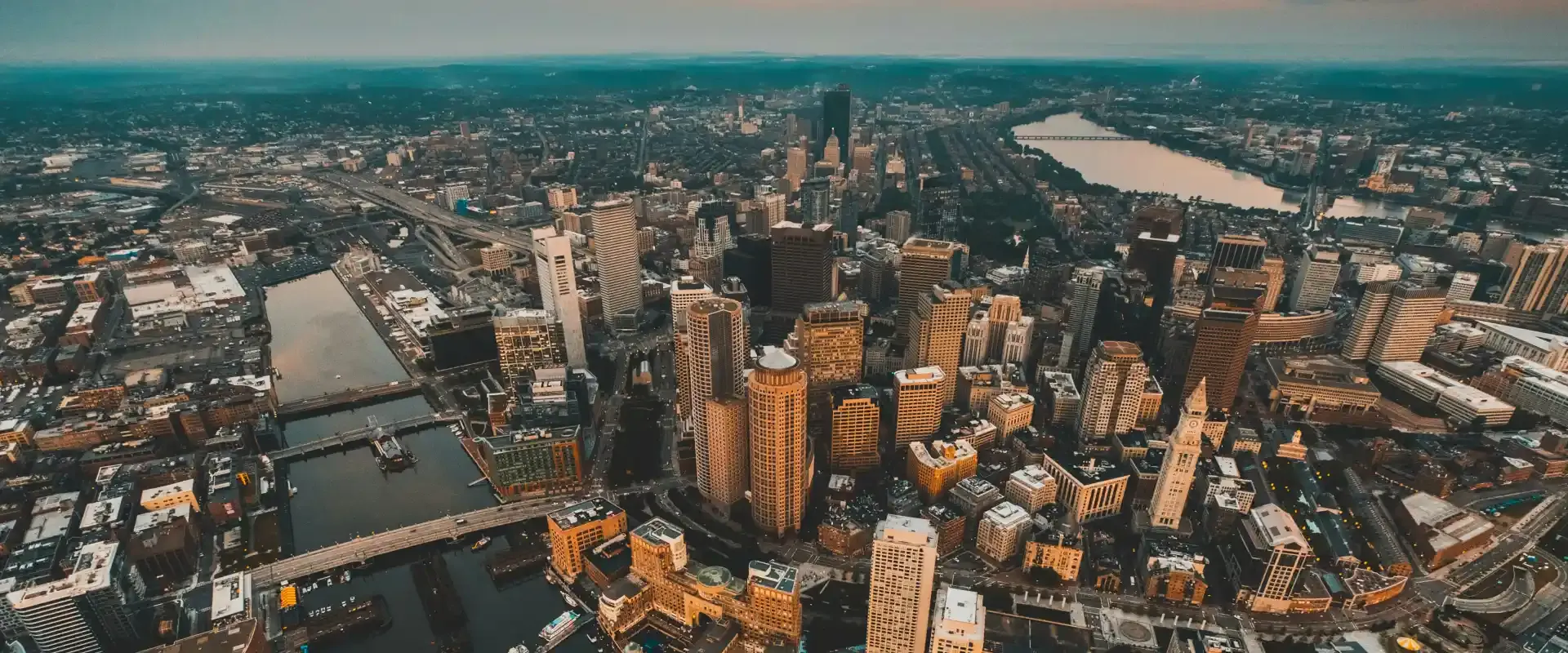
The original Shawmut peninsula was so pinched by water that one small portion is all that connected it to the mainland, and the tide came up right against what is now one of the most affluent parts of town. Throughout the 1800s, the city portioned the tops of its own hills, cutting Beacon Hill down and flattening others entirely, and used the dirt, mud, and trash to fill in the coves.
When making your way through the city, you can see this in how various areas wind around like the shorelines they used to be. It can be quite easy to get turned around because of this. Back Bay and the South End, laid out later in the city’s history, runs in straighter neat blocks. There's a moment where you cross from one into the other and crooked lanes open into long orderly avenues, and you can feel where the city has shifted to accommodate growth.
Neighborhoods you can cross on foot
Boston proper is tiny relative to other major cities. You can walk or roll across it in an afternoon. Due to the short distances between neighborhoods, the mood shifts can feel almost theatrical, like a scene changing. Pick a direction, cross a bridge or two, and take in the city. If you want a longer stretch, the Charles River Esplanade gives you three miles of green along the water and can be a nice break from the hustle and bustle of the city center.
It's worth pushing past the city center, too, as some of the best of Greater Boston sits just over its borders. Cross the Charles into Cambridge, and you're anchored by Harvard, MIT, and the excellent museums that come with them, from the Harvard Art Museums to the quirky MIT Museum. West of the center, Brighton trades downtown polish for a leafier, student-and-immigrant energy shaped by Boston College and Boston University, with affordable international restaurants and easy access to the river. Just north of the water, Chelsea tells a different story: the smallest, one of the most densely populated, and one of the most diverse cities in the state, a longtime landing place for immigrants where the food scene runs deep through Caribbean, Central American, and South American kitchens.
Wherever you wander, make time for Boston Common. Established in 1634, it's the oldest public park in the country, with acres of green in the heart of downtown that began as shared cow pasture and Puritan common ground. Later, it went on to host militia drills, protests, and speeches from Martin Luther King Jr. and Pope John Paul II. Today, it's where the city gathers to skate on the Frog Pond in winter, sprawl on the grass in summer, and start the Freedom Trail. Wander west across Charles Street into the adjoining Public Garden, the country's first public botanical garden, for the swan boats and beloved Make Way for Ducklings statue.
A city shaped by universities
Aforementioned, college students flood Greater Boston each year, and much of the city finds itself running on the school schedule. Allston, Fenway, and big chunks of Cambridge and Somerville expand and contract with the school year. August brings the anticipation of early September, when students and families arrive for moving day. On September 1, the streets fill with moving trucks and abandoned couches, dubbed “Allston Christmas” due to all the furniture left on the curb. Those same universities go on to see the biotech and tech money that has reshaped parts of the city and attract more movers each year.
History underfoot, not behind glass
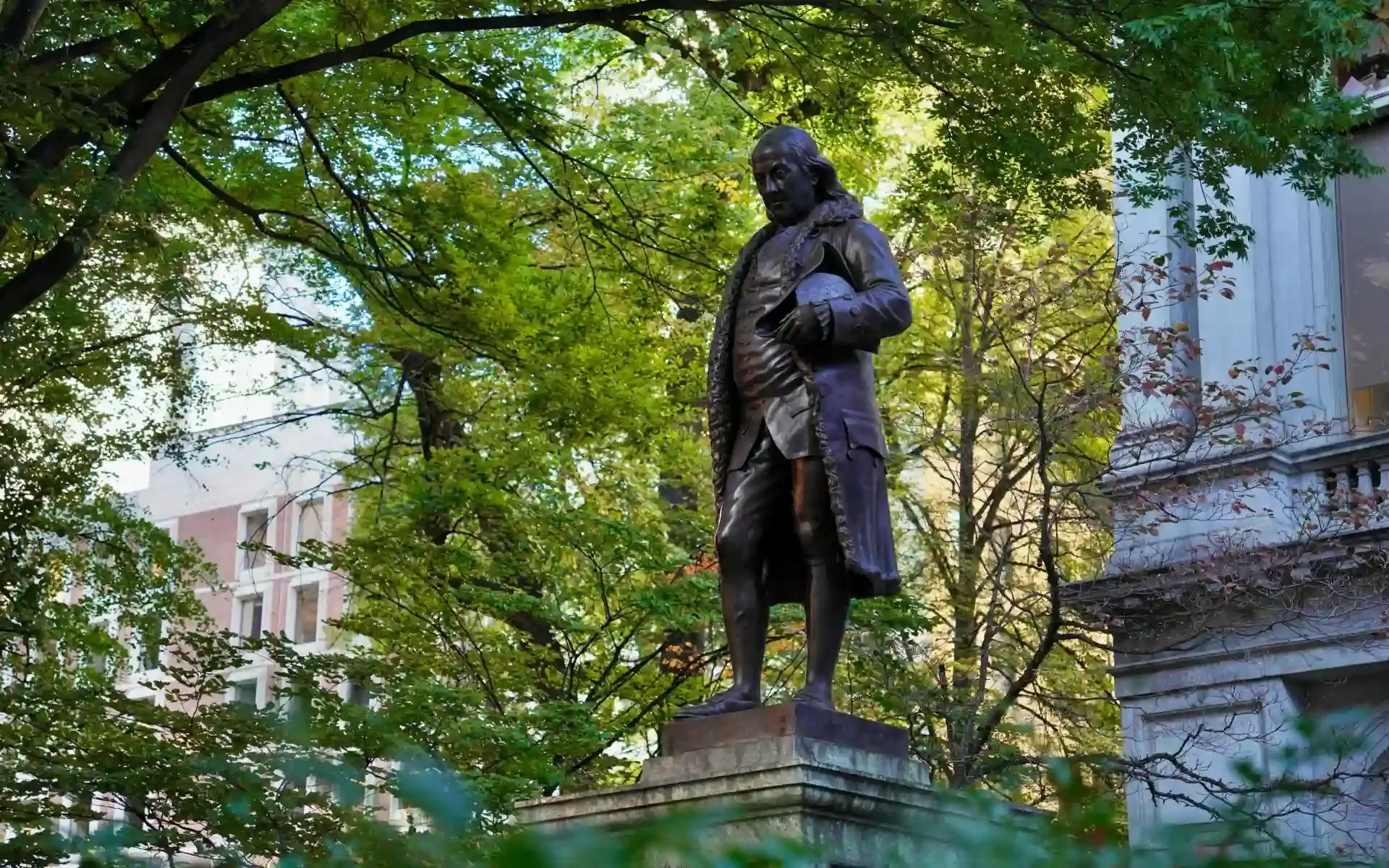
Boston’s history is mixed into the working city, which is what makes it stand out compared to newer cities (relative to the country’s age) within the US. The Freedom Trail, an actual red line in the sidewalk, runs past historical markers and colonial graveyards that sit between sleepy office buildings and sandwich shops.
I’d be remiss not to call attention to some of the odder historical happenings throughout the city. The 1919 Great Molasses Flood is of note. It occurred when a storage tank in the North End burst and sent a wave of molasses through the streets, killing 21 people. You can see this with a small plaque as you walk along the trail. Rumor has it you can smell the molasses on a really hot day in summer. The early medical schools created the same ugly demand for cadavers that haunted other 19th century cities, and the packed tenements of the industrial years spread disease.
Boston leaves this history out in the open instead of shying away from it, and that’s a large part of why exploring the city feels honest rather than polished. You’ll learn about it all as you walk the streets and read plaques.
Kind, not nice: sports, the accent, and local pride
There’s a line that’s commonly found throughout the Northeast that New Englanders are “kind but not nice.” Take it seriously. Folks in Boston might not smile at you. They might tell you (loudly) that you can’t walk three across on the sidewalk (who walks in threes, anyway?!). They might come off as rude. But these are the people who will silently grab the other end of your stroller on the stairs to the T, hold your place in line, or replace a tire.
When Boston.com asked readers about the city’s assumed rudeness, one Somerville resident put it perfectly: “People here are brusque…but they’ll do anything for you—ride or die.” Even the mayor, Michelle Wu, has described her reputation this way, that the point was never to be nice, it was to be honest.
You’ll especially notice it around sports—which functions more like a civic religion—around the accent, and around the affectionate self-roasting found in the term “Masshole.” It started as an insult for bad drivers and is now a de facto identifier as someone from Massachusetts, a badge of honor of sorts.
The pride is there, the edge is there, and underneath both is a loyalty prevalent in the undercurrents of how folks show up in the city. Don’t read the missing small talk as lacking warmth. It’s the opposite. Once you clock that, the city becomes more approachable and even more lovable.
A city of stories, poets, and printed words
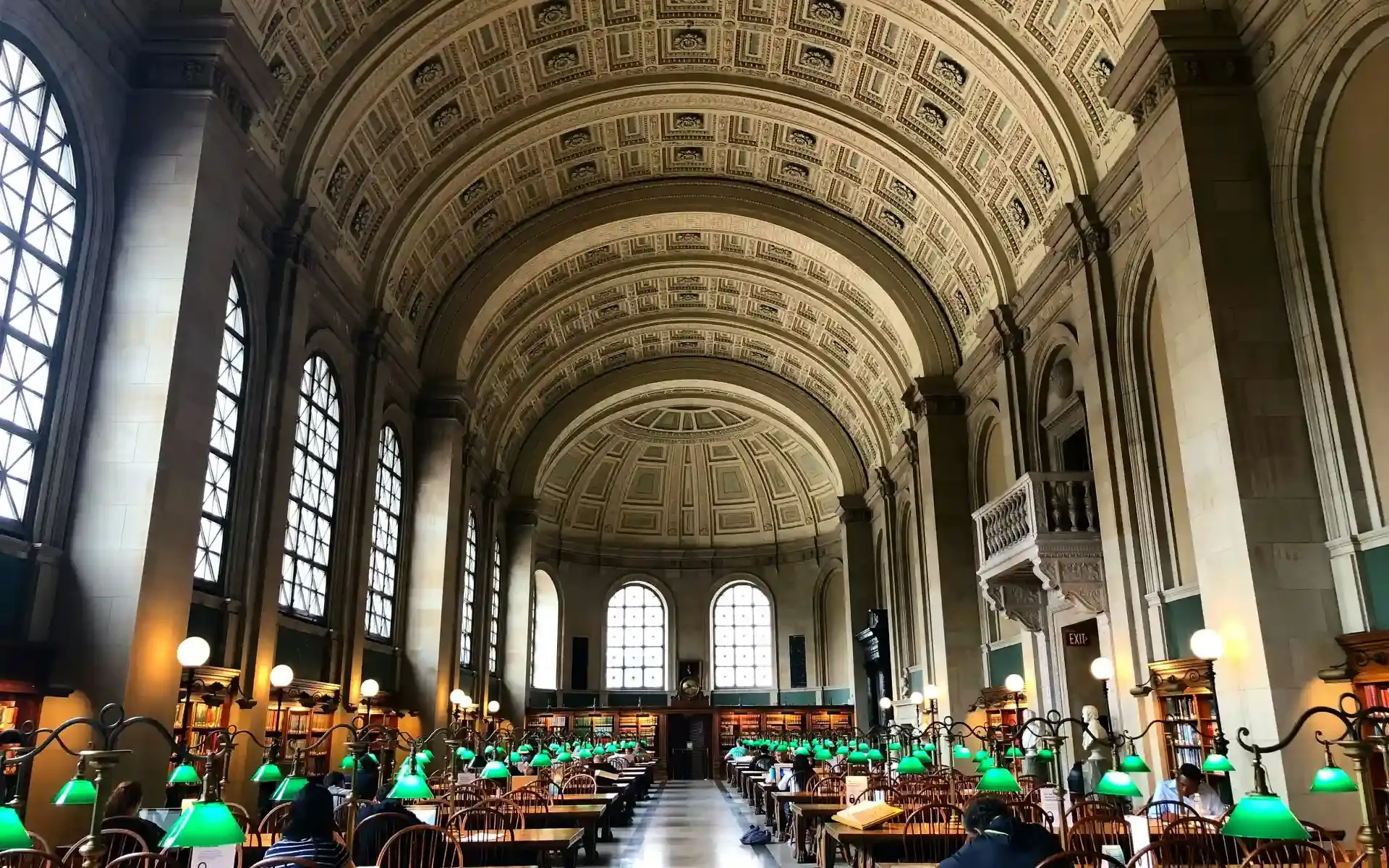
Boston has earned its reputation as a book town. For a good stretch of the 19th century, it was the publishing capital of the country, the place where The Atlantic Monthly was founded and where a huge share of American literature first went to print. Edgar Allan Poe was born here (though he had a famously prickly relationship with the city), the Transcendentalists gathered just up the road in Concord, and Boston later became the home turf of the confessional poets, with Robert Lowell, Sylvia Plath, and Anne Sexton all writing in and around the city.
You can feel it in the bookstores scattered throughout the city. The Brattle Book Shop downtown, founded in 1825 and run by the same family since 1949, is one of the oldest antiquarian bookstores in the country, comprising three floors and an open-air alley lot with murals of famous authors painted on the neighboring walls. It's the kind of place where a first-edition Gatsby has passed through the rare-book room.
From there you can string together a whole day of browsing: Beacon Hill Books & Café for its cozy multi-floor charm, Papercuts in Jamaica Plain, or I AM Books in the North End for Italian American writing. History turns ordinary corners into stories here too—the tavern where a plot was hatched, the square where a speech was made, the graveyard where the names on the stones match the names on the street signs.
That's really what Boston asks of you. Not to sprint between landmarks but to read the city like the multifaceted thing it is. Four centuries are stacked upon this filled-in marsh, and they all continue to talk at once. Slow down, cross a few bridges on foot, let a blunt stranger set you straight, and you'll start to feel it.

Things to do, where to eat, and how to get around
Getting around (you don't need a car)
- Skip the rental. Boston has public transit. Driving here is truly miserable, the streets are old and confusing, parking is expensive and scarce, and the drivers earned the Masshole nickname legitimately. Do yourself a favor, and stay on foot and rails.
- The T. The MBTA subway covers the core well. You can reach almost everything a visitor wants, conveniently with tap-to-pay. You’ll find the Green, Red, and Orange line seamlessly connect downtown, Cambridge, Fenway, the South End, and the Seaport.
- In Boston proper, walk first. Because the city is so compact, walking is often faster than waiting for a train, and it's how you actually see the place. Pair short T hops with long walks. When in Cambridge, Allston, and outside Boston proper, public transit is your friend.
- From the airport. Logan is close to downtown. The free Silver Line bus runs from the airport into and out of South Station.
- If you truly need a car for a day trip out of the city, rent it only for those days rather than the whole trip, and expect to pay for parking. Return it before you're back in the dense city. If you have driving anxiety, skip the rental. The roads are small, and merging is an artform.
- Heading up to Maine? From South Station and Logan Airport, Concord Coach Lines run daily buses to Portland and beyond. There are no assigned seat reservations, though you’ll want to purchase a ticket online beforehand. If you don’t, show up to the stop 15–30 minutes early. If there’s room, they’ll take your ID and hold it for the bus ride until you reach Portland, where you can pay at the desk. There’s not an in-person payment option in Boston at the gate. South Station sits right on the Red Line, so it's easy to reach without a car. It's a comfortable, cheap ride with Wifi if you want to tack a few Maine days onto your trip.
Neighborhoods to wander
- The North End: tight Italian streets, old bakeries, and after-dinner cannoli.
- The South End: brownstones and much of the newer food scene.
- Allston: grunge, theater scene that feels unique and all its own.
- Brighton: laidback, welcoming feel with quiet tree-lined streets and a killer Vietnamese food scene.
- Jamaica Plain: one of the most diverse neighborhoods with a community committed to the environment, agriculture, and local businesses.
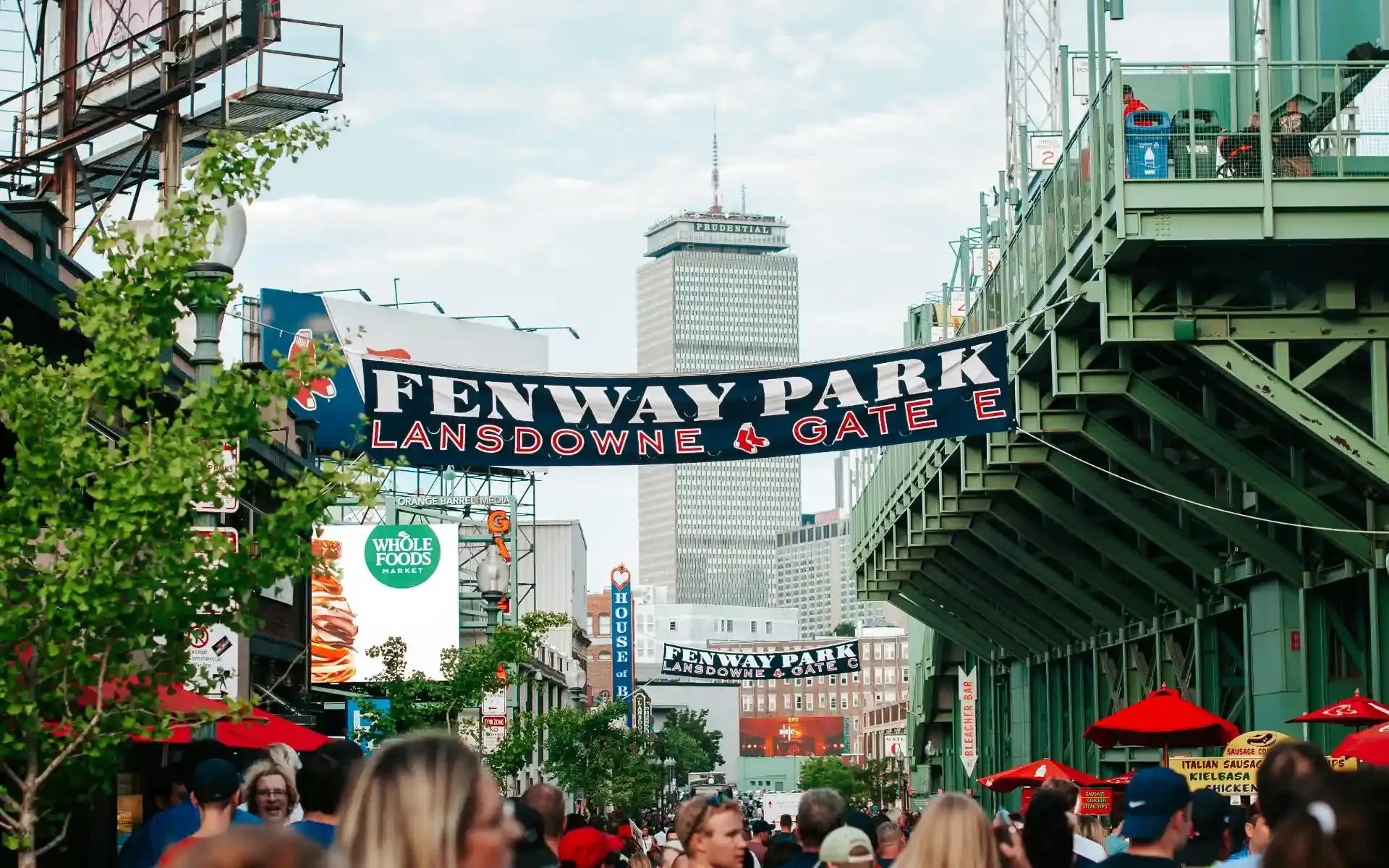
- Kenmore: energetic, youthful vibe with historic charm. Perfectly balances nightlife with green spaces. Here, you can score vintage finds and baseball memories.
- Somerville: walkable, with a vibrant arts and music scene and neighborhood squares.
- Cambridge: located across the Charles, known for its distinct, university-fed personality.
History and culture
- Walk the Freedom Trail, the red line in the sidewalk, at your own pace rather than on a rushed tour.
- The Granary Burying Ground, Revolutionary graves sitting in the middle of the working city.
- Find the Great Molasses Flood plaque in the North End, a small marker with a wild story.
- Bookstores worth a browse, the Brattle Book Shop (9 West Street, one of the country's oldest, with a outdoor alley lot), Beacon Hill Books & Café, Papercuts in Jamaica Plain, and I AM Books in the North End. Here’s a map of local indie bookstores to browse.
- The USS Constitution, in the Charlestown Navy Yard, is the world's oldest commissioned warship still afloat, nicknamed "Old Ironsides" for the way British cannonballs seemed to bounce off her hull in the War of 1812. It's free to tour (bring ID), open Wednesday–Sunday, and the adjacent museum fills in the history.
- The Isabella Stewart Gardner Museum, in the Fenway, is a Venetian-style palace built by its namesake to house her personal collection of Titians, Rembrandts, and Sargents around a glorious glass-roofed courtyard garden. It's also the site of the still-unsolved 1990 heist, the largest art theft in history. The empty frames still hang where the stolen works once did.
- Castle Island in South Boston, is a waterfront park anchored by Fort Independence, with easy harbor walks, skyline views, planes banking into Logan overhead, and a line at Sullivan's for hot dogs and fried clams in season.
- Bunker Hill Monument in Charlestown is the granite obelisk marking one of the Revolution's first major battles. Climb the 294 steps for a sweeping view over the city and harbor. It doubles as the northern end of the Freedom Trail.
- Faneuil Hall Marketplace, the historic meeting hall and market beside Quincy Market, is touristy but worth a pass for the food stalls and street performers, and for the building's real role as a Revolutionary-era "Cradle of Liberty."
- Harpoon Brewery in the Seaport is one of the city's craft-beer pioneers, with a lively beer hall, fresh-baked pretzels, and tours steps from the waterfront.
- The Samuel Adams Boston Brewery, the brand's original site in Jamaica Plain (a historic brewing neighborhood), now runs as the company's experimental R&D brewhouse, with a taproom, beer garden, and tours built around small-batch and limited-release beers.
- The Make Way for Ducklings statue on Boston Common's edge in the Public Garden, a bronze mother duck and her ducklings from Robert McCloskey's beloved children's book, is a small, joyful stop and a rite of passage for local kids.
Markets and makers
- SoWa Open Market, Harrison Ave, South End. Sundays, May through mid-November. Tons of vendors, food trucks, and artists. Free.
- Bow Market, Somerville. Open year-round, each shop has its own hours, so check ahead. Makers, food, a brewery, and a courtyard.
- Boston Public Market, Haymarket. Year-round, indoor. Good rain-or-shine stop.
- Copley Square Farmers' Market, Tuesdays and Fridays, mid-May to late November. Farm-fresh New England produce in the heart of the city.
Where to eat
- Sarma (Somerville), chef Cassie Piuma's inventive Turkish-style meze spot. Dinner nightly from 5pm, walk-ins welcome but reservations are smart. Still books out more than a decade in.
- The Daily Catch (Hanover St, North End), a tiny, loud, Sicilian room serving squid-ink pasta and lobster fra diavolo straight from the pan. Walk-in only, and expect a line. It’s been running since 1973.
- Bey (280 Shawmut Ave, South End), upscale Lebanese from the Samaha family. Get the "Bey Way" hummus.
- Ernesto’s Pizza in the North End. A no-frills counter turning out enormous, cheap New York-style slices in wild combinations. Grab one to eat on the walk through the neighborhood.
- Union Oyster House (Blackstone St), the oldest continuously operating restaurant in the United States, opened in 1826. It's touristy and old-school, but slurping oysters at the ancient horseshoe bar where Daniel Webster once drank is a slice of Boston history.
- Visit Chinatown, and head to Empire Garden Restaurant (690 Washington St, Chinatown), dim sum served from rolling carts inside a grand, faded former vaudeville theater, the Globe. The room alone is worth the trip, and it's one of the most unique dining spaces in the city.
- Mesob (1746 Washington St, South End), Eritrean and Ethiopian, built around the shared communal platter the place is named for.
- North End bakeries. Spots like Modern and Bova’s are city staples.
- The Thinking Cup (Tremont St, across from Boston Common, plus Newbury St and the North End), a beloved local independent coffeehouse serving Stumptown coffee, with a warm, European feel and excellent pastries. A good, non-chain spot to refuel mid-wander.
One quick planning note
Hours and market seasons are current as of writing, but always worth a quick check before you go, especially for the Sunday-only markets.
Last updated September 16, 2026
Articles you might like
View All