


Key takeaways
Planning a Caribbean vacation should focus on relaxation and adventure, not safety concerns. The fact of the matter: It’s important to be cautious wherever you’re traveling. Some destinations are viewed as safer than others, whether due to tourism infrastructure, weather-related events, or otherwise—and that goes for Caribbean destinations, like anywhere else in the world.
Recent safety infrastructure improvements have created clear safety distinctions between Caribbean countries. According to the US Department of State travel advisory and regional crime data, the safest islands to visit in the Caribbean include Saint Barthélemy, Anguilla, and Aruba as top-tier destinations with exceptional security. Second-tier safe islands include the Cayman Islands, Barbados, and Turks and Caicos with strong safety foundations. Islands that are still worth a visit and offer reliable security, but may require specific considerations in certain areas, include Antigua and Barbuda, Dominica, and Grenada.
Tier 1:
- Saint Barthélemy: Ultra-exclusive French territory with exceptional security and the lowest crime rates
- Anguilla: Luxurious British territory offering peaceful environments and excellent safety standards
- Aruba: Dutch territory with consistent safety excellence and comprehensive tourist security
Tier 2:
- Cayman Islands: British territory combining luxury with comprehensive security infrastructure
- Barbados: Independent nation with stable governance and strong safety foundations
- Turks and Caicos: British territory providing tranquil luxury with robust safety protocols
Tier 3:
- Antigua & Barbuda: Growing destination with balanced safety and 365 beautiful beaches
- Dominica: Natural paradise focused on ecotourism with developing safety infrastructure
- Grenada: Community-focused safety approaches in the friendly "Spice Island"
Factors to consider:
- Premier-tier destinations maintain rates comparable to safe US suburbs.
- Higher-tier islands offer superior medical facilities and emergency services.
- Account for hurricane season by monitoring weather closely from June through November.
- Understanding local customs enhances both safety and authentic travel experiences.

Tier 1: The Caribbean's safest islands
Saint Barthélemy (St. Barts): The pinnacle of Caribbean security
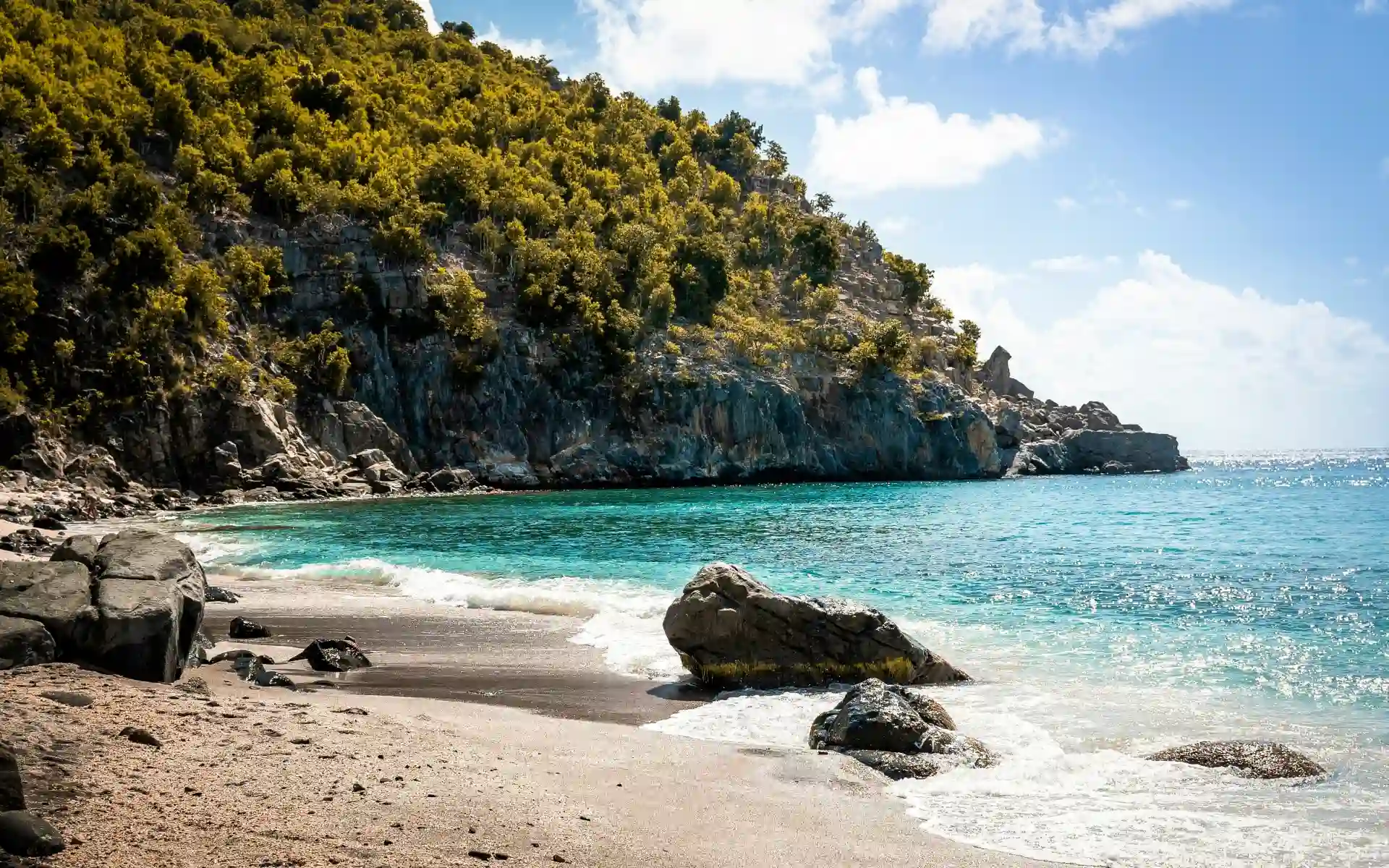
Saint Barthélemy is an ultra-exclusive French territory where beautiful and clean beaches meet exceptional security infrastructure in an environment so safe that celebrities and world leaders regularly vacation here without extensive security details. This tiny island maintains French law enforcement standards, excellent healthcare facilities, and tourism infrastructure that prioritizes visitor safety above all else.
- Main attractions: Shell Beach, Fort Oscar, luxury shopping, French cuisine, yacht watching
- Budget: $$$$$ (most expensive Caribbean destination)
- How to get there: Small aircraft from St. Maarten (no direct commercial flights)
Anguilla: Beauty meets exceptional security
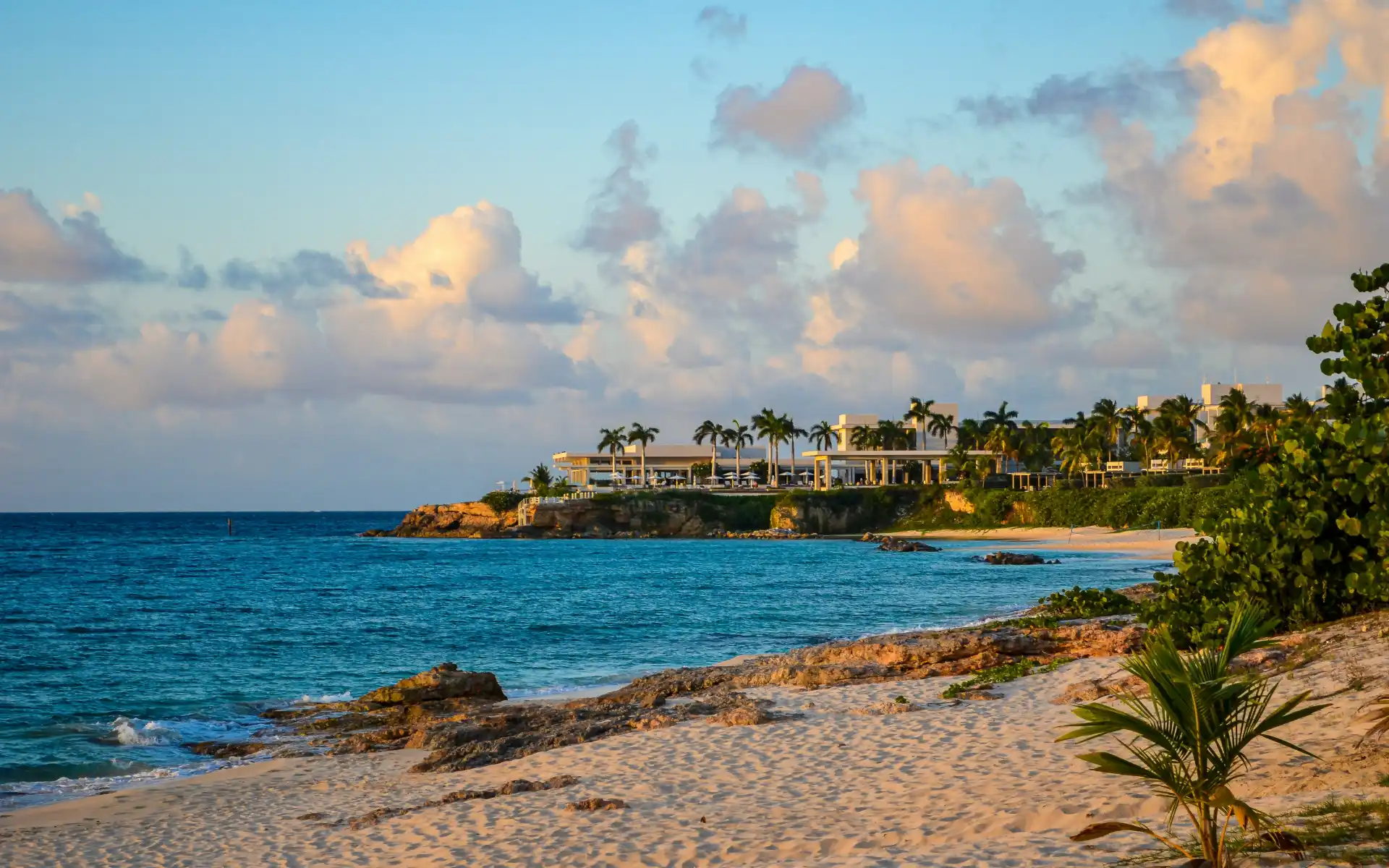
In Anguilla, 33 stunning beaches remain largely undeveloped, and crime rates stay remarkably low thanks to strong British Overseas Territory governance and a tourism-focused economy. This peaceful island combines luxury resort experiences with authentic local culture, while comprehensive emergency services and modern healthcare facilities ensure visitors can enjoy world-class beaches with minimal safety concerns.
- Main attractions: Shoal Bay Beach, luxury resorts, snorkeling, local music scene, art galleries
- Budget: $$$$ (high-end destination with luxury focus)
- How to get there: Ferry from St. Maarten or small aircraft
Aruba: Consistent excellence in safety and security

Aruba is one of the Caribbean's most reliably safe destinations for all types of travelers. The island's location outside the hurricane belt largely eliminates weather-related safety concerns, while well-trained local police, excellent healthcare infrastructure, and a tourism-focused economy ensure visitor safety remains the top priority year-round.
- Main attractions: Eagle Beach, Natural Pool, Butterfly Farm, casino resorts, water sports
- Budget: $$$ (mid-to-high-range pricing with good package deals available)
- How to get there: Direct flights from major US cities
Tier 2: Top safest islands to visit in the Caribbean
Cayman Islands: Luxury meets comprehensive security

The Cayman Islands combine luxury resort experiences with comprehensive security infrastructure. The islands' financial services industry creates economic stability that supports excellent emergency services and healthcare facilities. This three-island nation offers world-class diving, stunning beaches, and upscale tourism experiences with safety standards that rival the world's safest destinations.
- Main attractions: Seven Mile Beach, Stingray City, diving sites, duty-free shopping
- Budget: $$$$ (expensive but excellent infrastructure and services)
- How to get there: Direct flights from major US cities
Barbados: Cultural richness with strong safety foundations
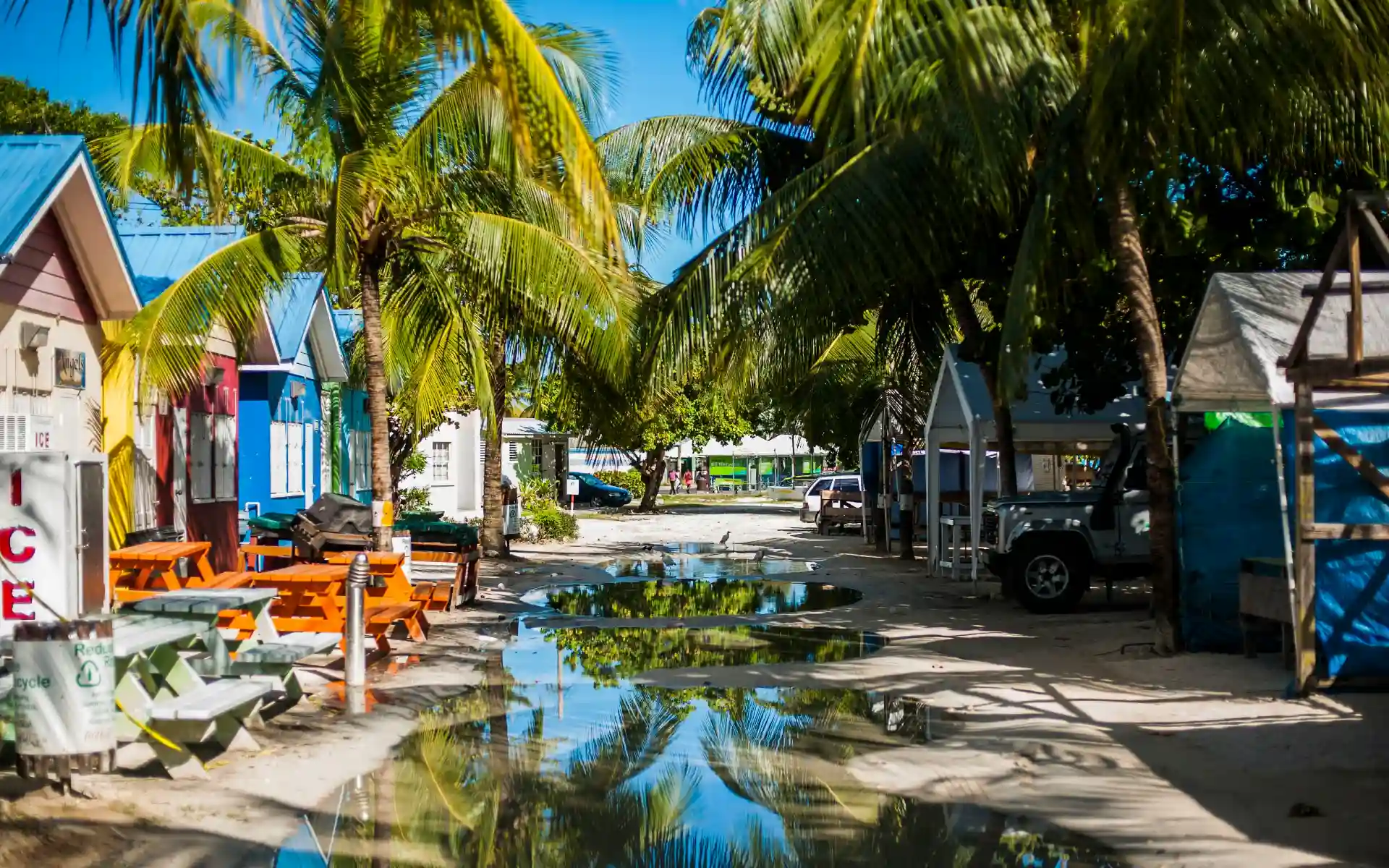
Barbados offers rich cultural experiences, and well-trained police forces create safe environments for exploring Caribbean culture, historic sites, and beautiful beaches. For travelers asking "Is Barbados safe?", rest assured this independent nation maintains excellent safety standards, making it one of the safest Caribbean islands to live or visit long-term.
- Main attractions: Harrison's Cave, rum distilleries, cricket matches, Bridgetown historic area, beaches
- Budget: $$$ (mid-range Caribbean pricing with good local food options)
- How to get there: Direct flights from East Coast US cities
Turks and Caicos: Tranquil paradise with comprehensive safety measures
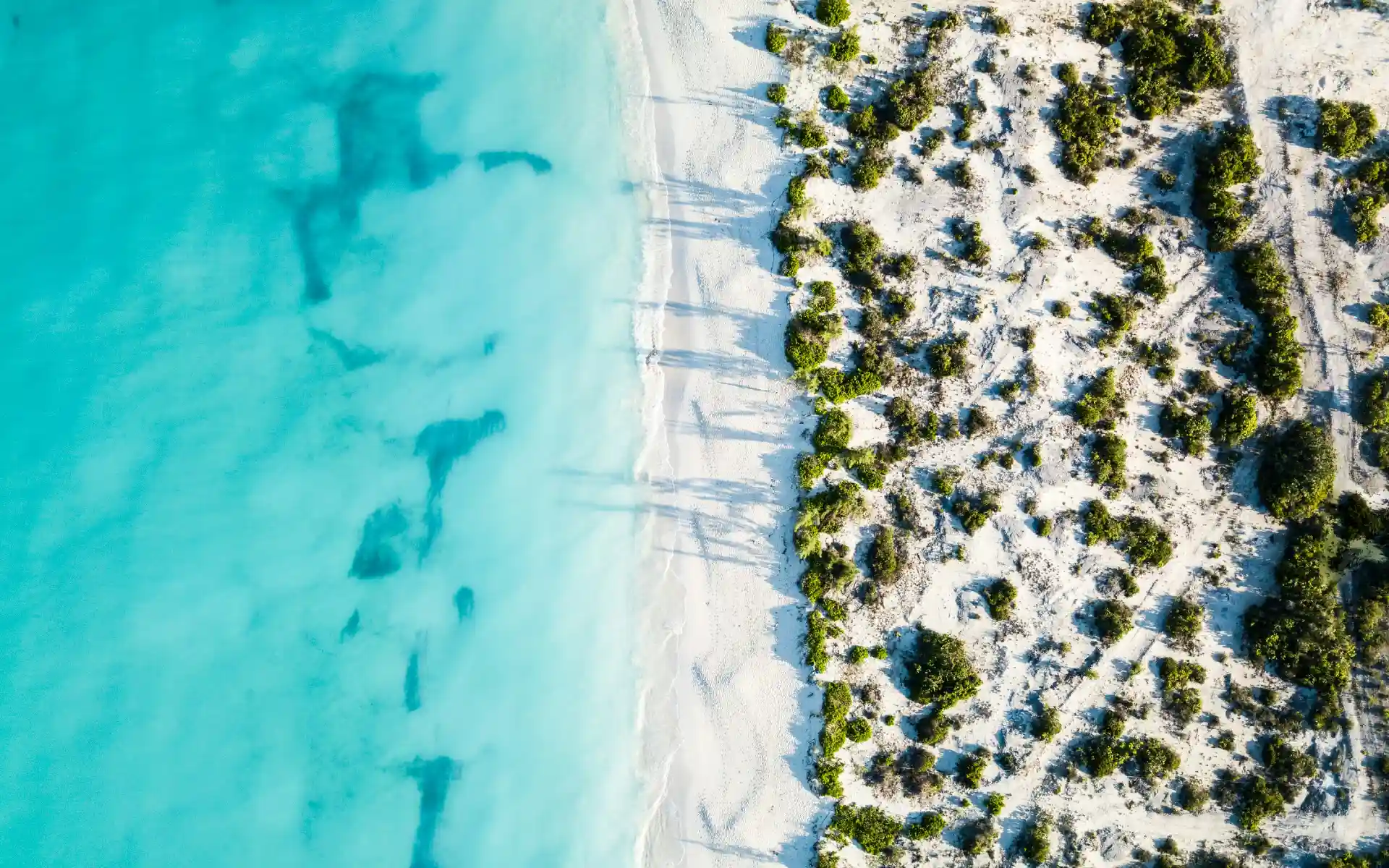
Turks and Caicos provides tranquil luxury with a tourism-focused infrastructure to create exceptionally safe beach experiences. Grace Bay Beach consistently ranks among the world's most beautiful shores with virtually no safety concerns for visitors.
- Main attractions: Grace Bay Beach, diving sites, luxury resorts, whale watching
- Budget: $$ (high-end destination with focus on luxury tourism)
- How to get there: Direct flights from major US cities
Tier 3: Reliable security with specific considerations
Antigua and Barbuda: Balanced safety in a growing destination
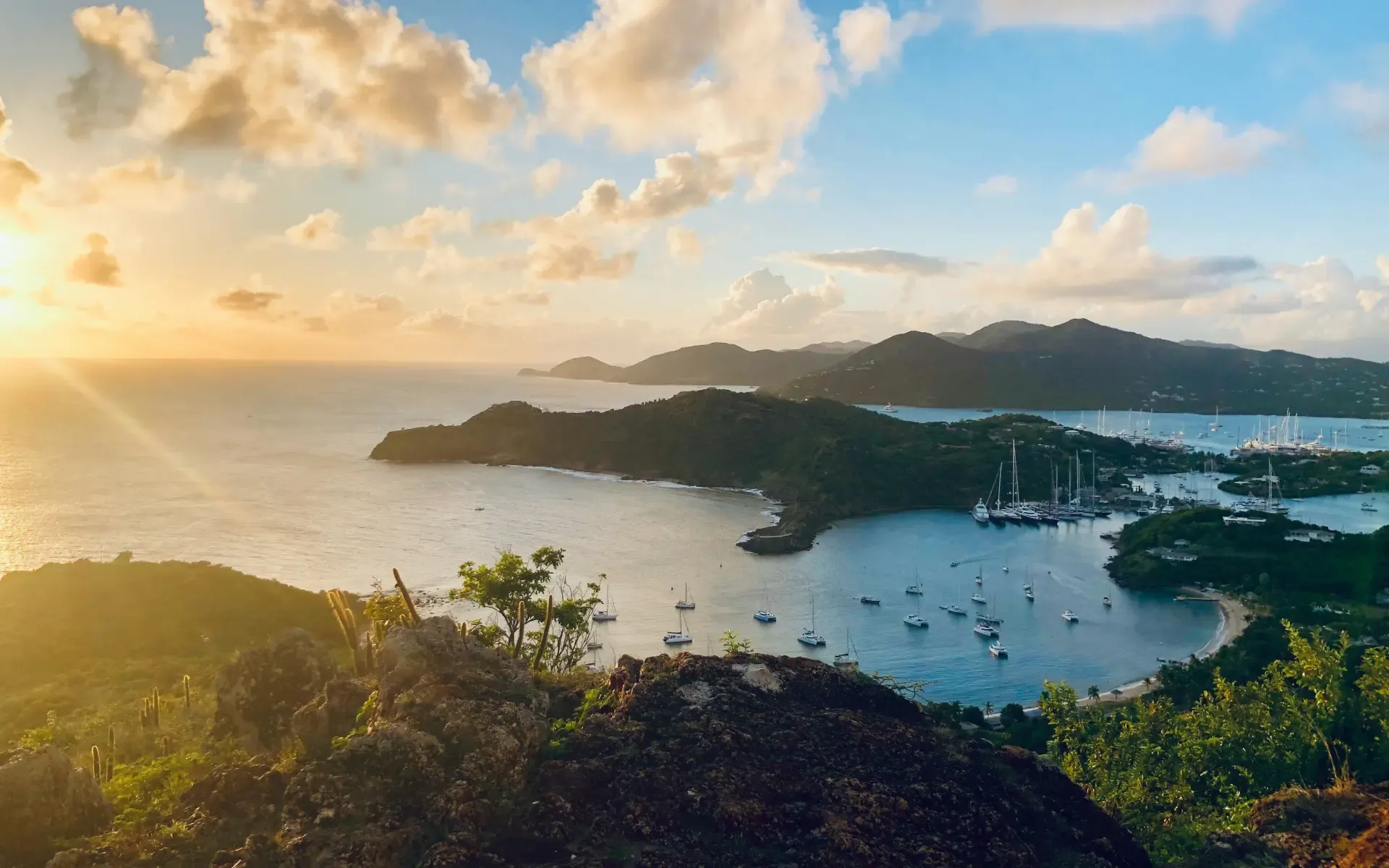
Antigua and Barbuda offers 365 beaches and a growing tourism infrastructure where overall safety remains good but varies by location. Resort areas maintain excellent security, but some areas require standard travel precautions that informed travelers can easily navigate.
- Main attractions: Nelson's Dockyard, Devil's Bridge, beaches, sailing, local markets
- Budget: $$$ (mid-range pricing with a variety of accommodation options)
- How to get there: Direct flights from major US cities, connecting through Caribbean hubs
Dominica: Natural beauty with emerging safety infrastructure

Dominica focuses on ecotourism and natural wonders. Here, there’s an emphasis on environmental conservation, and communities are generally peaceful. As with most destinations, visitors should exercise standard travel precautions while exploring this nature lover's paradise of waterfalls, rainforests, and whale watching opportunities.
- Main attractions: Whale watching, rainforest hikes, waterfalls, hot springs, diving
- Budget: $$ (on the affordable end of Caribbean destinations, with focus on nature)
- How to get there: Connecting flights through Caribbean hubs or regional airlines
Grenada: Community safety and natural wonder

Grenada combines community-focused safety approaches with incredible natural beauty. On the "Spice Island", friendly communities and developing tourism infrastructure create generally safe environments for visitors.
- Main attractions: Spice plantations, Grand Anse Beach, underwater sculpture park, waterfalls
- Budget: $$ (good value Caribbean destination with vibrant local culture)
- How to get there: Direct flights from some US cities or connecting through Caribbean hubs
Regional safety trends and comparative analysis
Caribbean crime statistics overview
The safest Caribbean islands typically share common characteristics: strong tourism-focused economies that depend on visitor safety, well-funded tourism police forces, excellent resort security and infrastructure, and stable governments and economies. With over 30 million annual visitors to the Caribbean, the vast majority of tourists experience safe, incident-free vacations.
Destinations requiring extra caution
As is true for global travel, some Caribbean destinations require additional planning, like if you’re planning to visit areas with limited tourism infrastructure, frequent political demonstrations, or higher crime rates in certain neighborhoods. The US State Department's advisory system can be helpful for understanding regional risk levels. While the majority of Caribbean islands maintain Level 1 or Level 2 advisories, some destinations face ongoing challenges with organized crime, civil unrest, or inadequate emergency response capabilities that elevate their advisory status.
Thorough research of current situations before booking is key. Look up government travel advisories, recent visitor feedback, and local tourism board safety updates to ensure your chosen destination matches your comfort level and travel objectives. Pay attention to political transitions, economic stability, and recent natural disasters, as well. Basically, if you’re not convinced a destination feels safe enough for you, consider alternatives.
Essential safety tips for Caribbean travel
Accommodation and transportation safety
Choose accommodations with good safety reputations by researching recent guest reviews that specifically mention security, selecting properties in well-regarded areas, and opting for establishments that invest in safety infrastructure like security personnel, well-lit grounds, and reliable emergency procedures.
Resort properties typically offer the highest security standards, while established hotel chains provide consistent safety protocols across their Caribbean locations. Independent accommodations can be safe but require more careful vetting of their security measures and location.
Transportation safety varies significantly between islands and transport methods. A great way to stay safe is to go for reputable taxi services recommended by your hotel, established car rental companies, and resort transportation. Avoid unlicensed operators, and stick to well-developed tourist zones where transportation infrastructure meets higher standards.
Personal security best practices
Even the safest Caribbean destinations require basic precautions. Use hotel safes for valuables and important documents, carry only necessary cash and cards when exploring, and trust your instincts if a situation feels uncomfortable. Also, stay in touch with family or friends about your whereabouts, and as always, be cautious or avoid isolated areas, especially after dark.
Cultural sensitivity and local awareness enhance both safety and travel experiences. By respecting local customs, dress codes, and social norms you can avoid unwanted attention or uncomfortable situations. Learning basic local customs, appropriate tipping practices, and respectful interaction styles help you create positive relationships with locals while reducing risks of cultural misunderstandings.
Healthcare infrastructure by destination
Medical facilities also vary dramatically across Caribbean islands. While some offer world-class care with modern facilities and well-trained staff, others have limited capabilities that could affect emergency response options. Research your destination's healthcare infrastructure before you go, and consider travel insurance with medical evacuation coverage for more remote islands. (You can also look into any memberships you already have or organizations that you’re already a part of, such as credit cards, which may offer travel insurance coverage.)
Before traveling, take into account your medical preparations. Bring adequate supplies of prescription medications and basic first aid supplies since availability varies significantly between islands. Remember to consult with healthcare providers about destination-specific health precautions and required vaccinations.
Travel insurance and medical coverage
In general, carrying comprehensive insurance can be wise when you’re traveling to the Caribbean (depending on your comfort level). Things you may want your travel insurance to cover: medical evacuation, trip cancellations due to weather, and medical expenses in countries where your regular insurance doesn't apply. Medical evacuation costs can exceed $100,000 without coverage, making specialized travel medical insurance necessary for Caribbean trips.
Standard health insurance often doesn't cover international medical expenses or evacuation costs, so look up specialized travel medical insurance before your Caribbean travel.
Hurricane season awareness and planning
Hurricane season affects Caribbean travel from June through November, with peak activity typically occurring between August and October when storm risks reach highs. To avoid disappointment, monitor weather forecasts closely during these months and consider flexible travel arrangements.
Many Caribbean destinations have excellent weather monitoring and emergency response systems. Still, you should understand local procedures and stay aware during hurricane season.
Water safety and hydration
Ocean safety matters even in the most beautiful Caribbean beaches. Stay on top of local guidelines, respect warning flags and lifeguard instructions, and exercise caution in unfamiliar waters. Even if you’re an experienced swimmer, you should be aware of local water conditions, currents, and marine life.
Food and water safety standards also vary between Caribbean islands. To remain safe, stick to bottled water and choose restaurants with good hygiene reputations. When uncertain about local water quality, invest in filtered water and play it safe to avoid stomach illness that could ruin your vacation.
Respecting local customs and laws
Being aware of local laws prevents inadvertent violations of local customs that might differ from your home country regulations. Drug laws, alcohol consumption rules, photography restrictions, and import/export regulations could create serious legal problems for uninformed travelers. Research local laws and customs before travel, especially regarding items you plan to bring or activities you want to pursue.
Similarly, respecting cultural practices help you foster positive relationships with local communities while avoiding behaviors that might be considered disrespectful or inappropriate. Understanding appropriate dress codes, social interactions, and cultural sensitivities ends up creating more enjoyable experiences on your trip.
How to measure safety in the Caribbean
How is safety calculated?
There are multiple factors to measure safety, including official crime statistics, healthcare infrastructure quality, emergency response capabilities, tourism industry safety investments, and political stability indicators. Another way to measure a country’s safety is to check government travel advisories, international safety organizations, and tourism industry assessments, which all contribute to understanding relative safety levels between destinations.
Objective safety metrics include crime rates per capita, medical facility quality ratings, emergency response times, tourism police presence, and infrastructure development levels that can be compared across different islands to make informed choices. Also, take into account factors like personal comfort levels, travel experience, and risk tolerance before choosing your destination.
Key factors to consider when assessing safety
Infrastructure quality makes a huge difference in visitor safety, such as reliable electricity, clean water systems, well-maintained roads, effective communication networks, and modern emergency services. In the end, islands with better infrastructure typically provide safer, more comfortable travel experiences with fewer surprises or service disruptions.
Destinations with stable governments, diversified economies, and strong rule of law typically maintain better safety conditions for visitors. It's pretty straightforward—when a place runs well overall, it's usually safer for tourists, too.
Recent trends in Caribbean safety
Lately, tourism industries have invested in safety infrastructure and security conditions across many Caribbean islands. These countries know that visitor safety directly impacts their economic success and international reputation, so they focus on tourist satisfaction. Many destinations have also incorporated specialized tourism police units, improved emergency response systems, and enhanced safety training for tourism industry workers.
Climate change is creating some new challenges, like more intense storm systems and environmental stresses, but forward-thinking destinations are adapting their safety infrastructure to address these emerging issues while maintaining high safety standards for visitors.
Ready for a Caribbean adventure? Save on tickets with Going
Planning a Caribbean getaway, but concerned about safety? Destinations like Saint Barthélemy, Aruba, and the Cayman Islands combine stunning beaches, vibrant local cultures, and comprehensive safety infrastructure that rivals popular US vacation spots.
How to find cheap flights to the Caribbean? Join Going! Our members regularly find rare deals like roundtrip flights to Aruba from $320 and Barbados from $380, savings that let you choose safety without compromising your budget.
Ready to start planning? Become a Going member and get alerts when flight prices drop to your preferred Caribbean destination. With our alerts, you can afford to prioritize safety while still making the most of your tropical getaway.

Frequently asked questions
What is the safest Caribbean island to visit?
Which Caribbean island has the lowest crime rate?
What is the safest and cheapest Caribbean island?
Is it safe to travel to the Caribbean right now?
Which Caribbean islands should tourists avoid?
Last updated July 23, 2026