The Safest Cities in Mexico for Tourists, Backed by Recent Data



May 14, 2026
8 min read
Table of Contents
Mexico is generally safe to visit, with some areas safer than others. This guide uses data from Mexico's National Survey of Urban Public Security (ENSU), published by INEGI in December 2025, paired with US and UK State Department travel advisories, to give you the full picture of which cities rank safest, how the most popular tourist destinations compare, and what you need to know before you go.
Key takeaways
- Mexico's safest cities, according to INEGI data, include San Pedro Garza García, Mérida, Puerto Vallarta, Los Cabos, and Saltillo.
- Many top-ranking cities for safety are not primary tourist destinations, but they're worth knowing about as base cities or alternative destinations.
- The most popular tourist areas in Mexico (Cancún, Tulum, Mexico City, Oaxaca) have varying safety profiles. Tourist zones are generally well-protected but may require more awareness than the safest cities on this list.
- The US State Department's travel advisory system uses a Level 1–4 scale. Most popular tourist regions sit at Level 2, which means "exercise increased caution," not "don't go."
- Going regularly surfaces flight deals to Mexico's major airports, making these destinations more affordable than most travelers expect.

What are the safest cities in Mexico for tourists?
The cities below are ranked based on INEGI's National Survey of Urban Public Security (ENSU), which measures residents' perceptions of safety in their city. It's important to understand what this data is and isn't: ENSU is rigorous and up to date (the latest report is from December 2025), and it's the best available quantitative measure of urban safety in Mexico. However, it surveys all Mexican cities, not just tourist-friendly ones, which is why you'll see some less-familiar names alongside well-known destinations.
For each city, we've included the closest major tourist area or gateway city, things to do nearby, and practical logistics to help you decide whether to visit or use it as a base.
San Pedro Garza García, Nuevo León
San Pedro Garza García is consistently one of Mexico's top-ranked cities for safety, and it's far better known among Mexicans than US tourists. It's an affluent municipality within the greater Monterrey metro area, home to high-end shopping, excellent restaurants, and a standard of infrastructure that rivals any major North American city.
While San Pedro is a top destination for Americans looking to relocate to Mexico, the real draw for US travelers is its proximity to Monterrey, one of Mexico's most underrated cities. Think of San Pedro as the safest neighborhood base you could pick for exploring everything Monterrey has to offer:
- Parque Fundidora: A converted 19th-century steel mill turned into an extraordinary urban park, with walking paths, a skating rink, and a steel history museum.
- Museo de Arte Contemporáneo MARCO: One of the best contemporary art museums in Latin America.
- Cerro de la Silla: Monterrey's iconic mountain silhouette, with hiking trails for all fitness levels.
- Parque La Huasteca: A dramatic canyon park perfect for rock climbing, rappelling, and hiking just outside the city.
- García Caves: A massive cave system about 40 minutes from central Monterrey, accessible by cable car and one of the region's top day trip destinations.
Gateway airport: Monterrey General Mariano Escobedo International Airport (MTY)
Budget level: Mid-range to upscale
Benito Juárez, Mexico City
Benito Juárez is not a standalone city. It's one of Mexico City's 16 boroughs, and also one of its safest. Home to popular neighborhoods like Narvarte and Del Valle, it sits south of the historic center and attracts a mix of locals, expats, and travelers who want a more residential, lower-key base than the tourist corridors of Condesa or Roma.
If you're planning time in CDMX and want to stay somewhere safe with good transit connection, Benito Juárez is worth considering for accommodation. For what to do in the city itself, our Mexico City guide covers all the highlights.
Gateway airport: Mexico City International Airport (MEX), Felipe Ángeles International Airport (NLU)
Budget level: Mid-range
Piedras Negras, Coahuila
Piedras Negras sits right on the US-Mexico border, directly across the Rio Grande from Eagle Pass, Texas, making it one of the most accessible Mexican cities for American travelers, with San Antonio about three hours north. It's a relatively small city with tourist appeal, a good safety record, and a surprisingly interesting food legacy: Nachos were invented in Piedras Negras. The dish was created by Ignacio "Nacho" Anaya at the Victory Club restaurant in 1940 for a group of US military wives from Fort Duncan, and the city celebrates this heritage with a dedicated nacho festival every October. The food scene here leans heavily into that origin story, with numerous restaurants serving creative nacho variations alongside traditional northern Mexican cuisine.
Accessibility: Reachable from Texas
Budget level: Budget-friendly
Puerto Vallarta, Jalisco

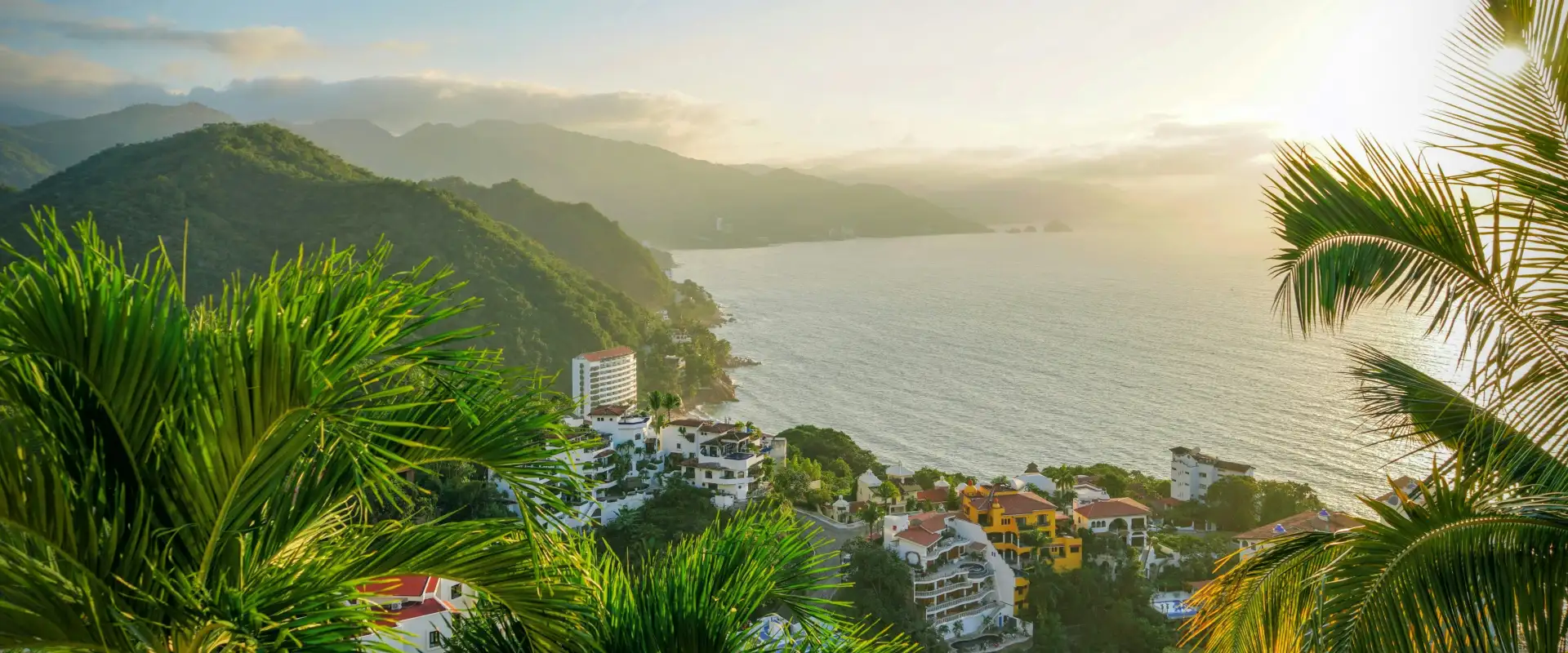
Puerto Vallarta is one of the few cities on this list that needs little introduction. A tourist destination in its own right, it consistently ranks well in INEGI safety data while also being one of Mexico's most renowned resort cities. The city is also notably welcoming to LGBTQ+ travelers, with Zona Romántica (the Romantic Zone) serving as one of Latin America's most celebrated queer-friendly neighborhoods.
Things to do in Puerto Vallarta:
- El Malecón: A mile-long seafront promenade lined with sculptures, open-air restaurants, bars, and street performers. This is the heart of the city's social life.
- Zona Romántica (Old Town): Cobblestone streets, bougainvillea-covered walls, indie cafes, and some of the best restaurants and nightlife in the city.
- Los Muertos Beach and Pier: The most popular city beach, with a distinctive modern pier and a full lineup of water sports.
- Vallarta Botanical Gardens: Located just south of the city, featuring over 3,000 plant species across 20 acres of Pacific jungle.
- Mirador Cerro de la Cruz: A hilltop viewpoint offering panoramic views of the bay and the city below, accessible via a short but steep hike.
- Casa Kimberly: The former home of Elizabeth Taylor and Richard Burton, now a boutique hotel and museum open for tours, complete with the famous "Bridge of Love" connecting the two houses across the street.
Gateway airport: Licenciado Gustavo Díaz Ordaz International Airport (PVR)
Budget level: Mid-range to upscale
Saltillo, Coahuila
Saltillo is the capital of Coahuila state and an underrated destination for travelers in northern Mexico. It's a large, well-functioning city with a proud cultural identity, and it consistently ranks among Mexico's safest cities in INEGI data. While it doesn't appear on most international tourist itineraries, it has plenty to offer and makes an excellent base for exploring the northern interior.
Things to do in Saltillo:
- Museo del Desierto: One of Mexico's best natural history museums, with exhibits on the Chihuahuan Desert ecosystem and paleontology.
- Museo de las Aves: A remarkable bird museum with over 2,500 mounted specimens from more than 700 species.
- Catedral de Saltillo: A stunning Baroque cathedral and one of the finest examples of colonial religious architecture in northern Mexico.
- Viñedo San Juan de la Vaquería: Wine production in Coahuila is a growing industry. This winery makes for a great half-day trip.
- Alameda Zaragoza: A classic Mexican city park perfect for an afternoon stroll.
- Museo de la Cultura Taurina: For those curious about bullfighting as cultural history, this museum offers a look at the tradition.
Gateway airport: Plan de Guadalupe International Airport (SLW)
Budget level: Budget-friendly to mid-range
Los Cabos, Baja California Sur

Los Cabos (the combined tourist corridor of Cabo San Lucas and San José del Cabo) is Mexico's most-visited resort destination among American travelers. Considered a "resort city" surrounded by beaches on both the Pacific Ocean and the Sea of Cortez, it has one of Mexico's most robust tourism infrastructures and a strong safety record within its tourist zones.
Its appeal is multifaceted: world-class sport fishing, some of the most dramatic beach scenery in North America (the famous Arch of Cabo San Lucas), luxury resorts, and a nightlife scene that draws visitors from across the US year round. San José del Cabo, the quieter of the two towns, has a lovely colonial art district and a Thursday gallery walk in season.
Gateway airport: Los Cabos International Airport (SJD); direct flights available from most major US cities
Budget level: Mid-range to luxury
Mérida, Yucatán
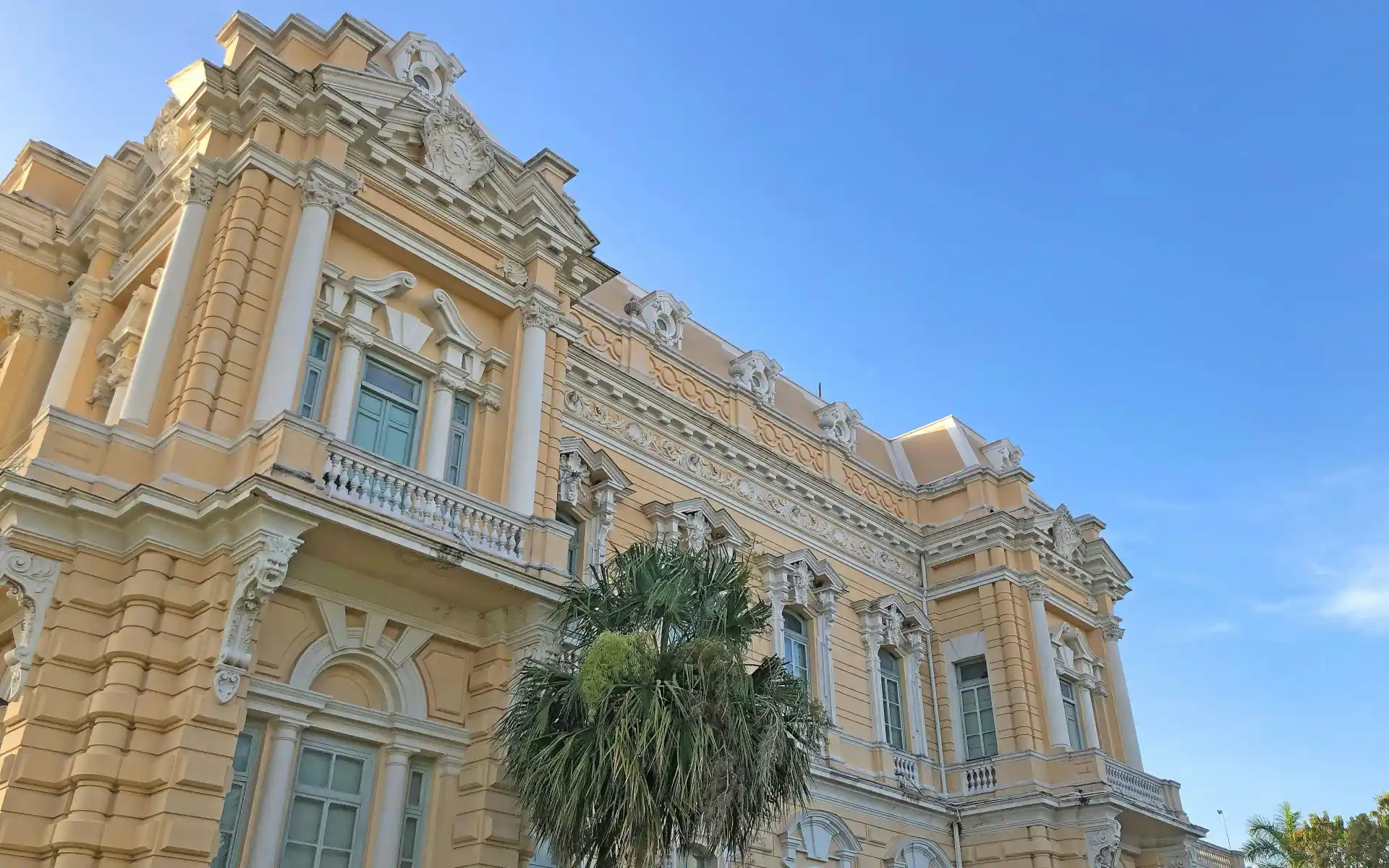
Mérida is the capital of Yucatán state and frequently cited as one of Mexico's safest and most livable cities. It's also one of its most beautiful. The "White City"—named for the light-colored limestone used in its historic buildings—is a colonial gem with a rich Maya heritage, a thriving food scene, and a cultural calendar that rarely slows down.
Mérida also happens to be a popular base for expats, reflecting its reputation for safety, walkability, and quality of life. For the average traveler, though, it's the ideal base for exploring the Yucatán Peninsula, including Chichén Itzá, Uxmal, the Celestún flamingo reserve, and the Gulf Coast beaches. Going's Mérida guide has everything you need to plan your visit.
Gateway airport: Manuel Crescencio Rejón International Airport (MID)
Budget level: Budget-friendly to mid-range
Cuajimalpa de Morelos, Mexico City
Like Benito Juárez, Cuajimalpa de Morelos is a borough of Mexico City rather than a standalone city. It sits in the western outskirts of the capital, adjacent to the upscale Santa Fe business district. It's a quieter, more residential area than the tourist-heavy central neighborhoods, and its strong safety ranking reflects that character.
For most travelers, Cuajimalpa is better as an accommodation neighborhood than a destination in its own right. It's a good option for those who want CDMX access without staying in the busier central areas. From here, the city's full range of sights, restaurants, and cultural experiences is easily reachable by metro or Uber.
Gateway airport: Mexico City International Airport (MEX)
Budget level: Mid-range
Los Mochis, Sinaloa
Los Mochis is a city in Sinaloa state that doesn't make most international travel lists, but it deserves more attention, both for its safety record and for being the western terminus of one of Mexico's most spectacular train journeys, the Copper Canyon Railway (El Chepe). If the dramatic Copper Canyon landscape is on your bucket list, you'll likely be passing through Los Mochis.
The city itself offers more than most visitors expect:
- Parque Sinaloa & Botanical Garden: A large "lung of the city" filled with plants from around the world, a playground, and fitness areas.
- Cerro de la Memoria (Memorial Hill): A scenic viewpoint for the city and surrounding farmland, home to the "La Locomotora" monument and La Virgen del Valle lookout.
- Topolobampo Bay & Boardwalk: A scenic bay where you can take boat rides or a specialized trip to see the "El Pechocho" dolphin.
- Maviril Beach: Just outside the city on the Sea of Cortez, popular for seafood restaurants and sand volleyball.
- Plazuela 27 de Septiembre: A charming central plaza surrounded by cafes and shops.
- Casa de la Cultura Conrado Espinosa: A cultural center focused on local history, art, and the heritage of the Fuerte Valley.
- Museo Regional del Valle del Fuerte: A well-maintained regional museum covering local history and art.
- Iglesia Sagrado Corazón de Jesús: A beautiful church ideal for quiet observation of local architecture.
Gateway airport: Federal del Norte International Airport (LMM)
Budget level: Budget-friendly
Tampico, Tamaulipas
Tampico is a large port city on the Gulf of Mexico that punches well above its weight. While it sits in Tamaulipas—a state that carries State Department warnings for other areas—Tampico itself is a notably different story. It has a distinct character shaped by its oil industry history, its position on the Pánuco River, and a unique Gulf seafood culture.
Note that Tampico is not near any other major cities, so it stands on its own as a destination rather than as a base for broader exploration. Here are some things to do in Tampico:
- Playa Miramar: One of the best-known beaches in northern Mexico, ideal for swimming, relaxing, and fresh seafood right on the sand.
- Las Escolleras: A long pier at the edge of Miramar Beach, famous for its views and its resident protected raccoon population.
- Laguna del Carpintero: A scenic urban lagoon where you can observe crocodiles in their natural habitat from a safe boardwalk path.
- Centro Histórico (Plaza de la Libertad): A vibrant historic district with Art Deco architecture, live music, and excellent local restaurants.
- Antigua Aduana Marítima: A stunning historic customs building near the riverfront.
- Enjoy the local food culture, like carne a la tampiqueña (a classic beef dish said to have been invented here) and fresh Gulf seafood, especially crab.
Gateway airport: General Francisco Javier Mina International Airport (TAM)
Budget level: Budget-friendly

Safety data for the most touristy destinations in Mexico
Because most cities above are not widely known tourist destinations, we’re providing safety information for the places most Americans tend to visit. The data below draws from US and UK State Department travel advisories and INEGI perception data for specific regions.
Cancún & Riviera Maya, Quintana Roo
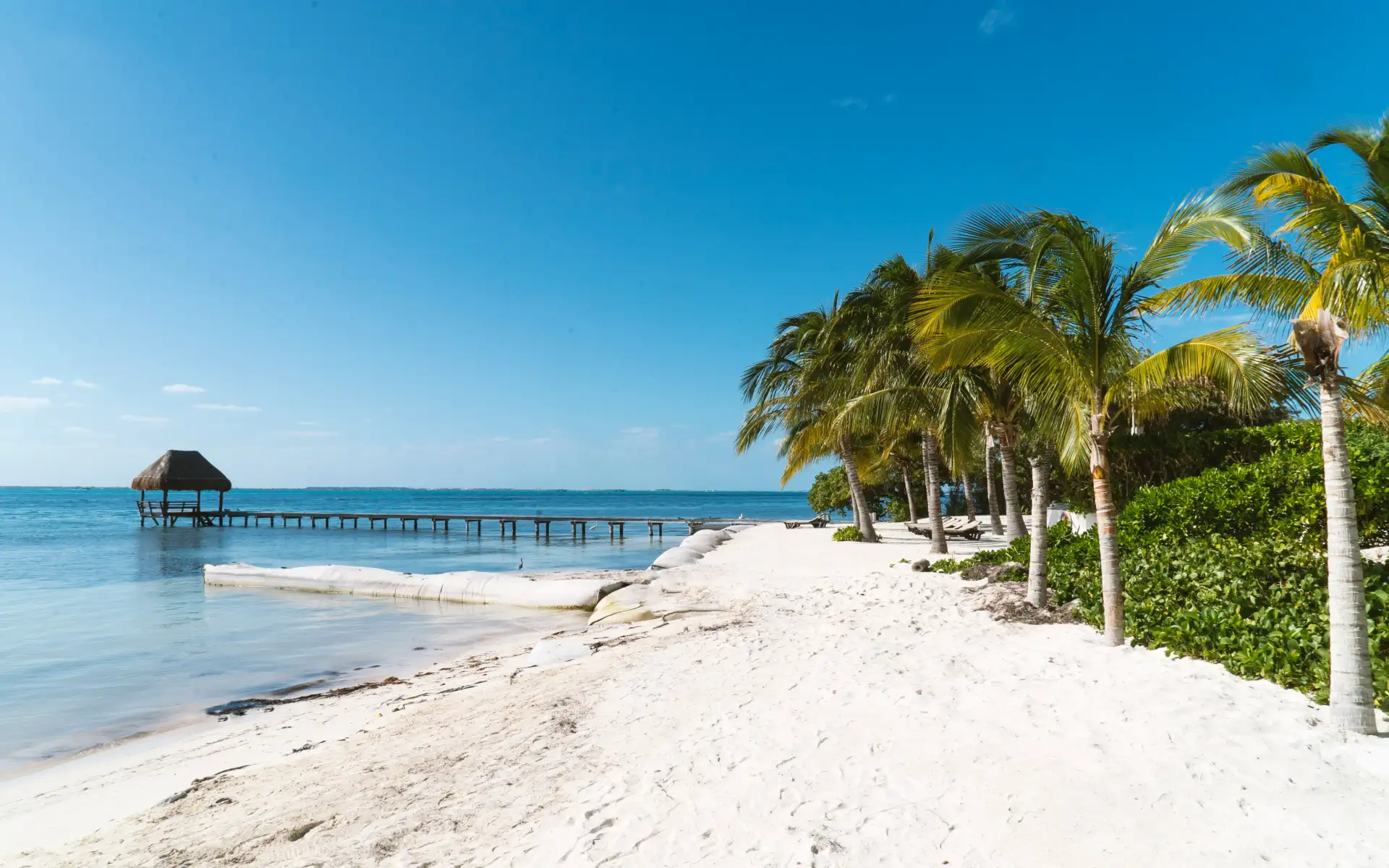
Cancún and the Riviera Maya corridor remain one of Mexico's most-visited destinations, and for the majority of visitors, the experience is overwhelmingly safe, especially within the Hotel Zone (Zona Hotelera) and the established resort areas of Playa del Carmen, Tulum, and Akumal. The tourist infrastructure here is extensive, with policing in tourist zones on the heavier side.
The US State Department currently rates Quintana Roo at Level 2 (Exercise Increased Caution), acknowledging that most incidents occur away from tourist areas. UK advice is similarly cautionary rather than prohibitive. The key is staying within tourist zones, using official transportation, and avoiding areas not served by the resort corridor.
Tulum, Quintana Roo

Tulum has grown from a backpacker outpost to an international luxury destination over the past decade, and safety has kept pace with that development in the main hotel and beach zones. The State Department's Level 2 advisory for Quintana Roo applies here as well. Within the Tulum hotel zone and the town's main streets, the safety record for tourists is good. Avoid the surrounding jungle roads at night, and use vetted transportation providers.
Cozumel, Quintana Roo
Cozumel is widely considered one of Mexico's safest destinations for tourists. The island's economy is almost entirely tourism-driven, which means the local government and business community have a strong shared interest in maintaining safety. Most visitors arrive by cruise ship or ferry from Playa del Carmen, and the island's small size makes it easy to navigate safely. The Quintana Roo Level 2 advisory technically applies, but Cozumel's specific track record is very strong.
Holbox Island, Quintana Roo

Holbox is a small, car-free island in the far north of Quintana Roo, known for its relaxed pace, whale shark encounters, and bioluminescent lagoons. It sits within the same Quintana Roo Level 2 advisory zone, but its isolated, low-crime character puts it among the most peaceful destinations in Mexico. The absence of motorized vehicles and the small resident community make it easy to feel and be safe.
Chichén Itzá, Yucatán
Chichén Itzá itself is an archaeological site rather than a city, and it falls under Yucatán state rather than Quintana Roo. Yucatán is one of Mexico's safest states according to INEGI data (Mérida, the state capital, consistently ranks among the top three safest cities in the country). The State Department maintains a Level 1 (Exercise Normal Precautions) advisory for Yucatán, the best possible rating.
Mexico City

Mexico City carries a Level 2 (Exercise Increased Caution) advisory from the State Department. CDMX is a global megacity with enormous variation in safety between neighborhoods. The areas most visited by tourists (e.g., Roma, Condesa, Polanco, the Historic Center, Coyoacán, Xochimilco) are heavily policed and regularly trafficked by both locals and visitors without incident.
Use Uber or official taxis to get around, stay aware of your surroundings at night, and avoid going out with flashy or expensive items. Going's Mexico City guide and the layover guide to Mexico City are good resources for planning your time in the city.
Oaxaca

Oaxaca state carries a Level 2 advisory, but the city of Oaxaca—the main destination for most visitors—has a well-established track record as one of Mexico's most welcoming and culturally rich travel experiences. The historic center is walkable, well-lit, and full of international travelers year round. Exercise standard urban precautions, and you'll be in good shape.
Xochimilco
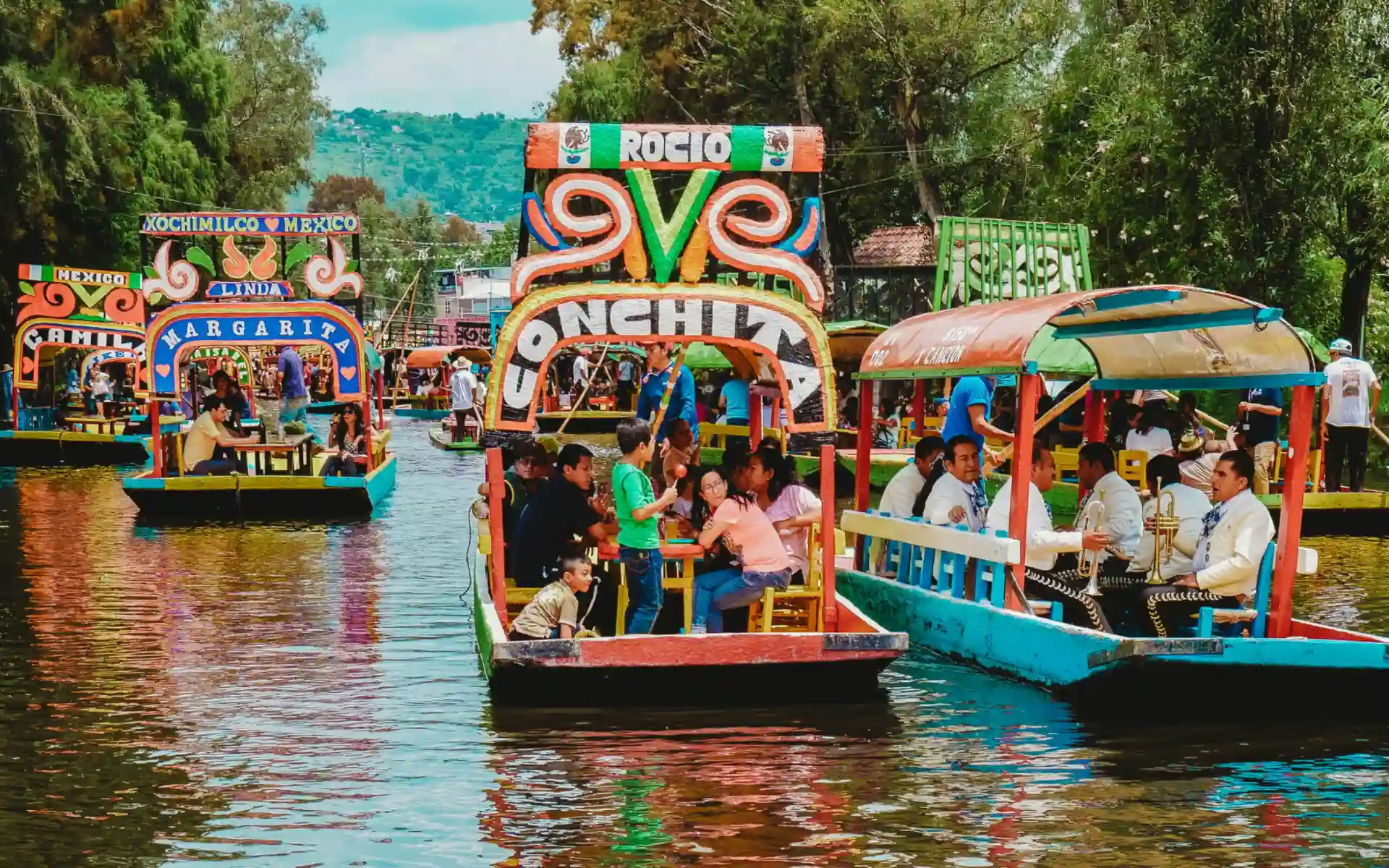
Xochimilco is a borough within Mexico City famous for its canal system and the colorful trajineras (flat-bottomed boats) that navigate them. It's one of CDMX's most beloved cultural experiences and a UNESCO World Heritage Site. Like the rest of the city, it falls under the Level 2 advisory. Visiting during the day with a vetted tour operator or a trusted transportation provider is the safest approach. Going's Xochimilco guide covers how to visit well.
Is Mexico safe to visit right now?
Yes, for the vast majority of tourist destinations and with the right level of awareness, Mexico is safe to visit right now. Mexico receives over 40 million international visitors per year, and most return home without a safety incident. But Mexico is vast, a country the size of Western Europe, and the safety picture varies by state and specific area, so always do your research before traveling.
What US travel advisories actually mean
The State Department uses a four-level system:
- Level 1 (Exercise Normal Precautions): The same caution you'd apply anywhere. Yucatán and Campeche are at this level.
- Level 2 (Exercise Increased Caution): Be more aware of your surroundings than usual. This covers most popular tourist areas including Quintana Roo (Cancún, Tulum, Cozumel), Mexico City, and Oaxaca.
- Level 3 (Reconsider Travel): On the riskier end to visit. This is the level where you should look closely at specific regions and trip timing.
- Level 4 (Do Not Travel): Active, widespread danger. Several states in Mexico carry this advisory, but they are not tourist destinations.
Note that advisories apply to entire states, not individual cities. Several Level 3 states contain specific cities or tourist zones that are safer than the state-level rating suggests. This is why it’s important to consider destination-specific data from INEGI and tourism authorities before booking your trip.
The difference between tourist zones and other areas
Every major Mexican tourist destination operates a model of concentrated tourism infrastructure: heavily patrolled hotel zones, authorized taxi networks, tourist police, and reputable tour operator systems. The safety record inside these zones is typically better than the broader city or state statistics suggest.
That said, the tourist zone safety advantage does not extend everywhere. Wandering into unfamiliar neighborhoods late at night, using unlicensed transportation, or visiting areas explicitly flagged in advisories carries additional risk.
How to check safety conditions before you go
Keep these sources bookmarked as you plan:
- US State Department: Updates travel advisories by state and city with specific notes on recent incidents.
- UK Foreign Office: A useful second opinion with its own regional analysis.
- INEGI Safety Perception Data: The raw data behind the city rankings in this article.
Safety tips for traveling in Mexico
These apply broadly, but they're especially relevant if you're visiting cities or regions outside the core tourist corridors.
Getting around safely: Uber, taxis, and airport transfers
Use Uber if it's available, as it's reliable, cashless, and gives you a record of your trip. In cities where Uber isn't operating, use radio taxis booked through your hotel or a licensed dispatch service. Avoid hailing a cab on the street in Mexico, especially at night or near transportation hubs like airports and bus stations, which have historically been areas with elevated risk. Airport arrivals in major cities will have authorized transfer services waiting in the arrivals hall. Use those, and arrange transportation in advance if possible.
Choosing the right accommodation
Stick to established neighborhoods and accommodations with solid recent reviews. In Mexico City, this means Roma, Condesa, Polanco, or the Historic Center. In Cancún, the Hotel Zone. In Tulum, the established hotel beach strip. Beyond those, look for properties that have recent reviews from international travelers and are located on or near main thoroughfares rather than in isolated spots. Don't rule out Airbnb, but read reviews carefully for specific safety mentions.
How to handle your phone and valuables
- Leave expensive jewelry at home or in the hotel safe.
- Use a crossbody bag with a zipper rather than a backpack in crowded areas.
- Keep your phone in a pocket rather than in your hand when walking in busy streets.
- Screenshot or download offline maps before you arrive.
- Carry a small amount of cash in a front pocket for day-to-day purchases, and keep larger amounts in a hotel safe.
Emergency numbers every traveler should save
- Emergency (equivalent to 911): 911 (works throughout Mexico)
- Tourist assistance hotline (SECTUR): 078
- US Embassy in Mexico City: +52 55 5080-2000
- US Embassy emergency line (US citizens in distress): +52 55 8526-2561
Before you leave, enroll in the State Department's STEP program. It's free, takes five minutes, and ensures the US Embassy can reach you if something happens in the area that you’re visiting.
What to do in Mexico's safest cities
For the culture lovers
Mérida is the standout, with Sunday markets, Maya archaeological sites within day-trip distance, a 16th-century cathedral, and Casa de Montejo. Saltillo and Monterrey (via San Pedro Garza García) are close behind for regional Mexican culture that most international visitors miss.
For the beach and outdoors crowd
Puerto Vallarta and Los Cabos are the leaders. Puerto Vallarta combines beach access with city culture. Los Cabos delivers a world-class resort experience with dramatic desert-meets-ocean scenery. Tampico's Playa Miramar and Los Mochis' beach access via Topolobampo Bay are solid alternatives for travelers who want the Gulf or Sea of Cortez with far fewer crowds.
For the foodies
Mérida's food scene, like cochinita pibil, papadzules, and sopa de lima, is among the best and most distinctive in the country. Puerto Vallarta's restaurant strip in Zona Romántica has earned an international reputation for being top-tier. Tampico's Gulf seafood, especially the local crab preparations and carne a la tampiqueña, isn’t easily found north of the border. And Piedras Negras, birthplace of the nacho, is worth a detour for anyone who takes that seriously.

Find cheap flights to Mexico with Going
Mexico is one of the best-value long-haul destinations for US travelers, and it gets even better when you're flying on a deal. Going monitors fares 24/7 and alerts members when prices to Mexican airports drop significantly, whether that's Los Cabos, Cancún, Mexico City, Puerto Vallarta, or Monterrey.
Premium and Elite members get first access to the best deals. If you've been considering Mexico but waiting for the right price, this is the most efficient way to find it.
You can also check out Going's guide to the most beautiful places in Mexico for more destination inspiration once you've got a deal lined up.
Frequently asked questions
What city in Mexico is the safest?
What is the most Americanized city in Mexico?
Last updated May 14, 2026