Safest Countries in Central America for American Travelers (2026 Guide)


)


April 23, 2026
7 min read
Table of Contents
Central America is one of the most rewarding and diverse travel regions in the Western Hemisphere, and it's no secret that many of its hotspots are having a moment. Millions of Americans visit every year, drawn by lush rainforests, ancient Mayan ruins, world-class surf, volcanic landscapes, Caribbean beaches, and some of the most affordable adventures you'll find anywhere. They come back with full memory cards, new friends, and plans to return.
Of course, like any destination, it pays to travel smart. Safety varies between countries and, just as importantly, within them. A headline statistic rarely tells the full story. Many of the region's most-visited spots are well-patrolled, welcoming, and far removed from the challenges that grab international attention.
In this guide, we've ranked the seven countries of Central America using the 2025 Global Peace Index (GPI), a composite score measuring peacefulness across 23 indicators including violent crime, political stability, and militarization, so you can make an informed decision about where to go. We've also included Belize, which isn't individually ranked in the GPI due to its size and data limitations, but it is one of the most popular Central American destinations for American travelers and deserves a spot on your radar.
Key takeaways
- Costa Rica is the safest country in Central America by a wide margin, ranking 54th globally on the 2025 GPI.
- Panama is the second-safest, ranking 84th globally, with modern infrastructure and one of the most developed tourism scenes in the region.
- El Salvador has undergone a dramatic safety transformation in recent years, making it one of the most surprising risers on the list.
- Belize doesn't appear in the GPI due to its small size, not because of safety concerns. Its popular tourist areas are generally well-managed and safe for visitors.
- Safety within each country varies significantly. Tourist areas are often far safer than national statistics suggest.
- Always check the US State Department travel advisories at travel.state.gov before booking any trip to the region. Advisories are updated regularly and are your most reliable source of current information.

The safest countries in Central America
The rankings below are based on the 2025 Global Peace Index, published by the Institute for Economics and Peace. The GPI evaluates countries on a 1 to 5 scale across 23 indicators. The lower the score, the more peaceful the country. Keep in mind that these are national averages—tourist areas within a given country are often significantly safer than the overall score implies.
A quick note before we dive in: A lower ranking on this list doesn't mean a country isn't worth visiting. Every destination here has regions that are welcoming, safe, and well set up for tourism. Use this as a starting point for your research, not a definitive verdict.
| Global rank | Country | GPI score |
|---|---|---|
| 54 | Costa Rica | 1.843 |
| 84 | Panama | 2.006 |
| 104 | El Salvador | 2.136 |
| 108 | Guatemala | 2.174 |
| 111 | Nicaragua | 2.207 |
| 124 | Honduras | 2.347 |
Belize is not individually ranked in the 2025 GPI but is included in this guide. See below.
Costa Rica
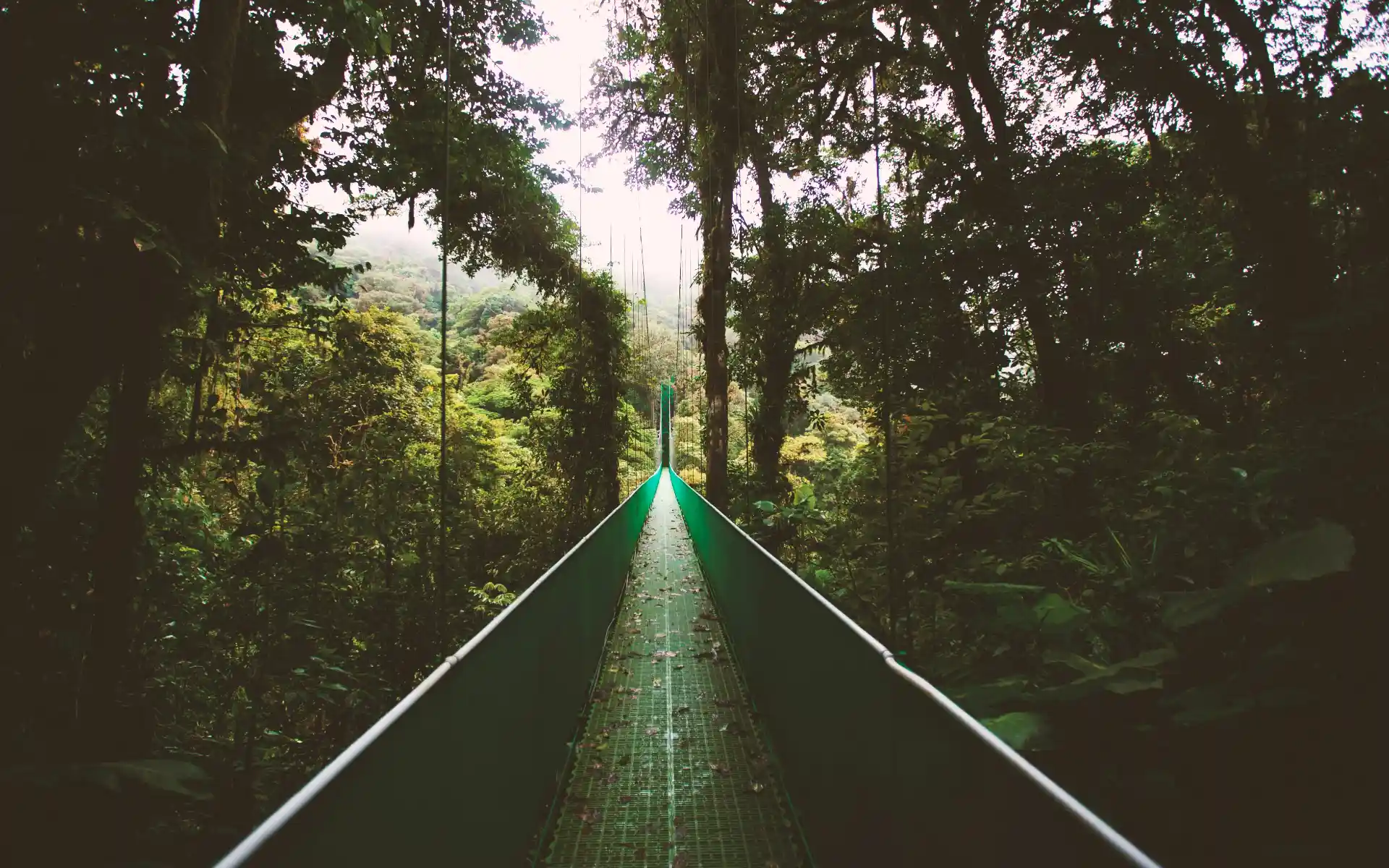
Costa Rica is the gold standard for safe travel in Central America, and it has been for decades. It abolished its military in 1948 (a point of deep national pride) and has since built one of the most stable democracies in Latin America. Add a mature, well-developed tourism infrastructure, and it's easy to see why it's consistently the first choice for first-time visitors to the region.
- Safety score/ranking: Highest in Central America (GPI 54th globally)
- Best areas to visit: San José (Escazú and Santa Ana neighborhoods), Manuel Antonio, La Fortuna, Monteverde, Nicoya Peninsula
- What to watch for: Petty theft in crowded areas; avoid displaying expensive jewelry, cameras, or phones in public
- Healthcare quality: High; excellent private clinics in major cities and tourist areas
- Best for: First-time visitors, solo travelers, families, ecotourism lovers
- Average Going deal: $336 roundtrip
Note: Costa Rica is one of the few countries in Central America where solo female travel is widely considered safe, though standard precautions still apply, as they would anywhere.
Panama
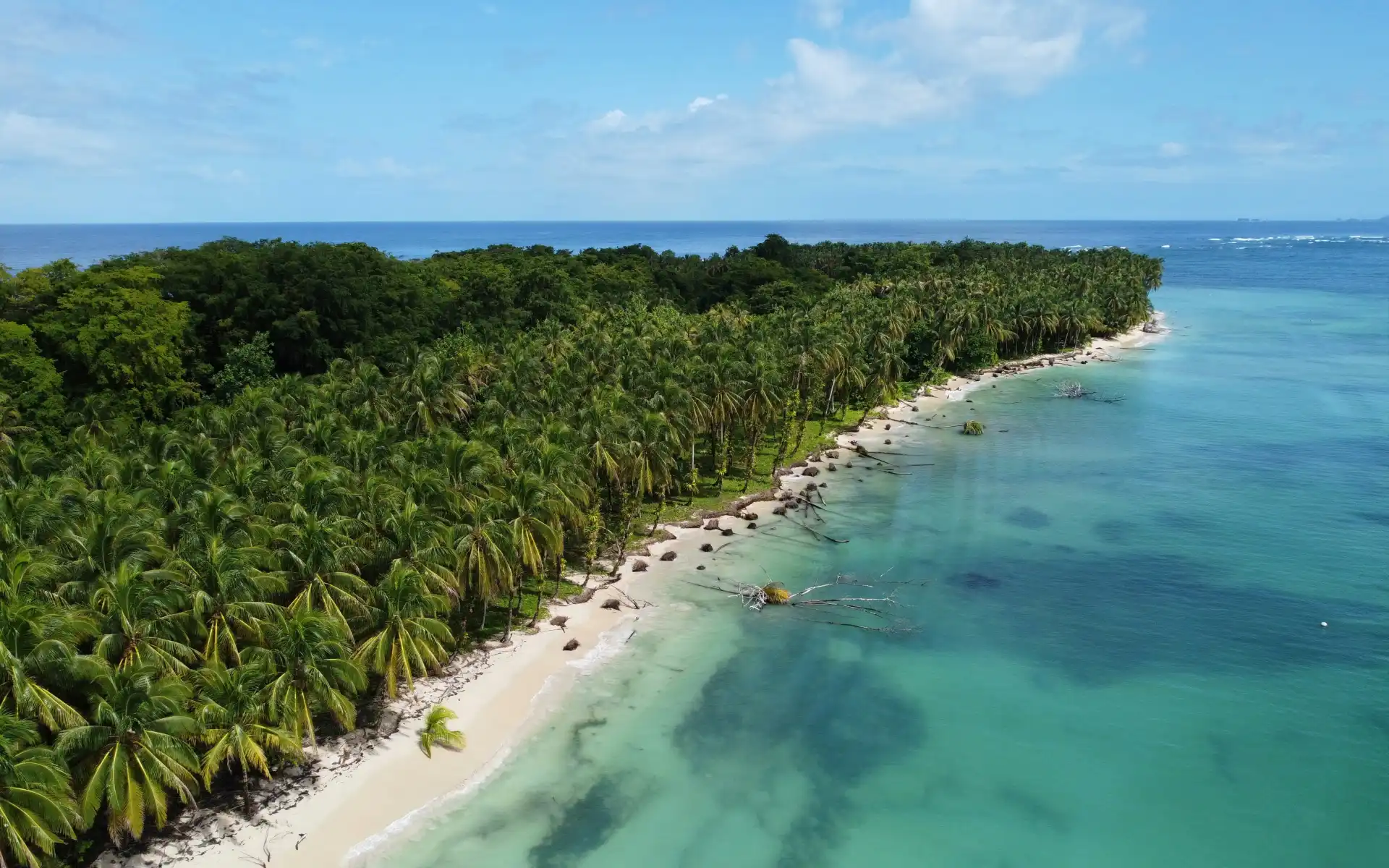
Panama is one of Central America's most underrated travel destinations, and from a safety perspective, it's right up there with Costa Rica. Panama City is strikingly modern and cosmopolitan, with a US dollar economy and widespread English-speaking—two factors that make navigating the country easier for American travelers. Beyond the capital, you'll find some of the region's most beautiful natural escapes.
- Safety score/ranking: Second safest in Central America (GPI 84th globally)
- Best areas to visit: Panama City (Casco Viejo, Miraflores), Bocas del Toro, Boquete, the Pearl Islands
- What to watch for: A few Panama City neighborhoods (e.g., El Chorrillo, Curundu) may require additional precautions, especially at night. Some travelers may feel more comfortable avoiding these areas altogether.
- Healthcare quality: High in Panama City; strong private hospital network
- Best for: City trips, nature getaways, digital nomads, couples
- Average Going deal: $362 roundtrip
Note: The Panama Canal is one of the most visited attractions in Central America, and it happens to sit in one of the safest parts of the city.
El Salvador

El Salvador has made headlines a lot lately. A sweeping government crackdown on gang activity beginning in 2022 has transformed the country's safety landscape for travelers. Cities and coastal towns that were once best avoided by tourists have become thriving, welcoming destinations. If you want to get there before it becomes mainstream, now is the time.
- Safety score/ranking: Third in Central America (GPI 104th globally)
- Best areas to visit: El Tunco and El Zonte (Pacific surf towns), Suchitoto, Ruta de las Flores, Santa Ana
- What to watch for: The situation is still evolving; stick to well-established tourist routes and avoid traveling between cities after dark
- Healthcare quality: Good private options in San Salvador; more limited in rural areas
- Best for: Surfers, adventurous travelers, budget-conscious visitors
- Average Going deal: Limited deal data available
Note: El Zonte, also known as "Bitcoin Beach," has become a hub for digital nomads and a symbol of how dramatically the country has changed. Worth a visit if that’s your vibe.
Guatemala
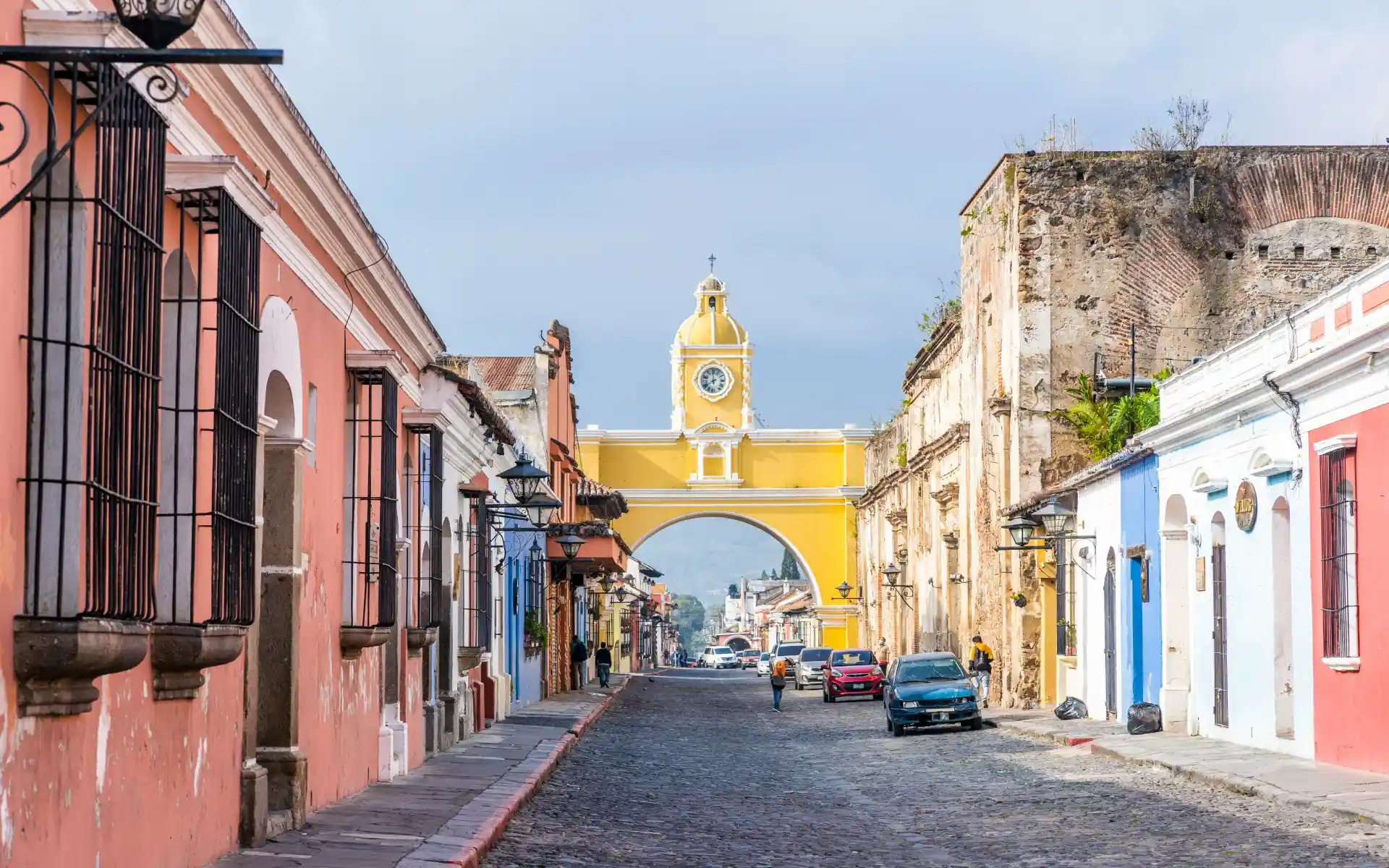
Guatemala is home to some of the most spectacular sights in Latin America: the soaring temples of Tikal, the colonial charm of Antigua, and the breathtaking highland lakes around Atitlán. Safety here is destination-dependent. The main tourist hotspots are well-patrolled and accustomed to international visitors, while Guatemala City requires a more cautious approach.
- Safety score/ranking: Fourth in Central America (GPI 108th globally)
- Best areas to visit: Antigua, Lake Atitlán, Flores (gateway to Tikal)
- What to watch for: Guatemala City has higher crime rates; use only registered taxis or rideshare apps, and avoid walking at night in unfamiliar areas
- Healthcare quality: Good private care in Guatemala City and Antigua; more limited in rural regions
- Best for: History buffs, cultural travelers, experienced visitors
- Average Going deal: $276 roundtrip
Note: For visits to more remote areas like Tikal, joining a guided tour is recommended. It adds minimal cost and significantly reduces logistical stress.
Nicaragua
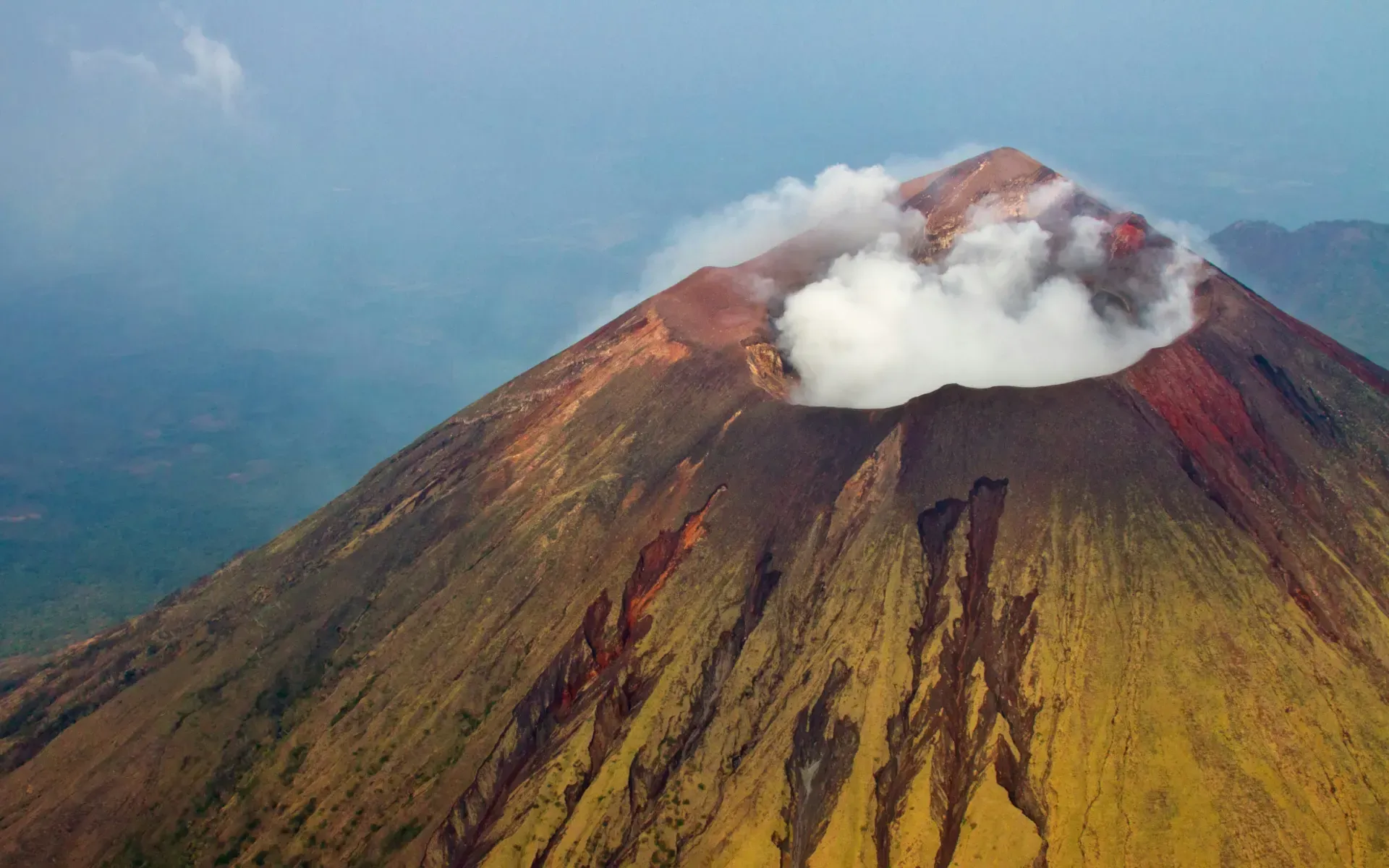
Nicaragua’s natural beauty is in a league of its own, with dramatic volcanoes, charming colonial cities, and Caribbean coastline at a fraction of the cost of its neighbors. But for now, it's best suited for experienced travelers who are comfortable with a more complex and politically sensitive environment.
- Safety score/ranking: Fifth in Central America (GPI 111th globally)
- Best areas to visit: Granada, León, Ometepe Island, San Juan del Sur
- What to watch for: The political climate has been tense since 2018; avoid political gatherings and stay informed, as conditions can shift quickly
- Healthcare quality: Basic; limited outside of major cities
- Best for: Experienced travelers, budget backpackers, off-the-beaten-path explorers
- Average Going deal: $318 roundtrip
Note: If you're a newer traveler to the region, start with Costa Rica or Panama, then come back to Nicaragua once you have your bearings.
Honduras
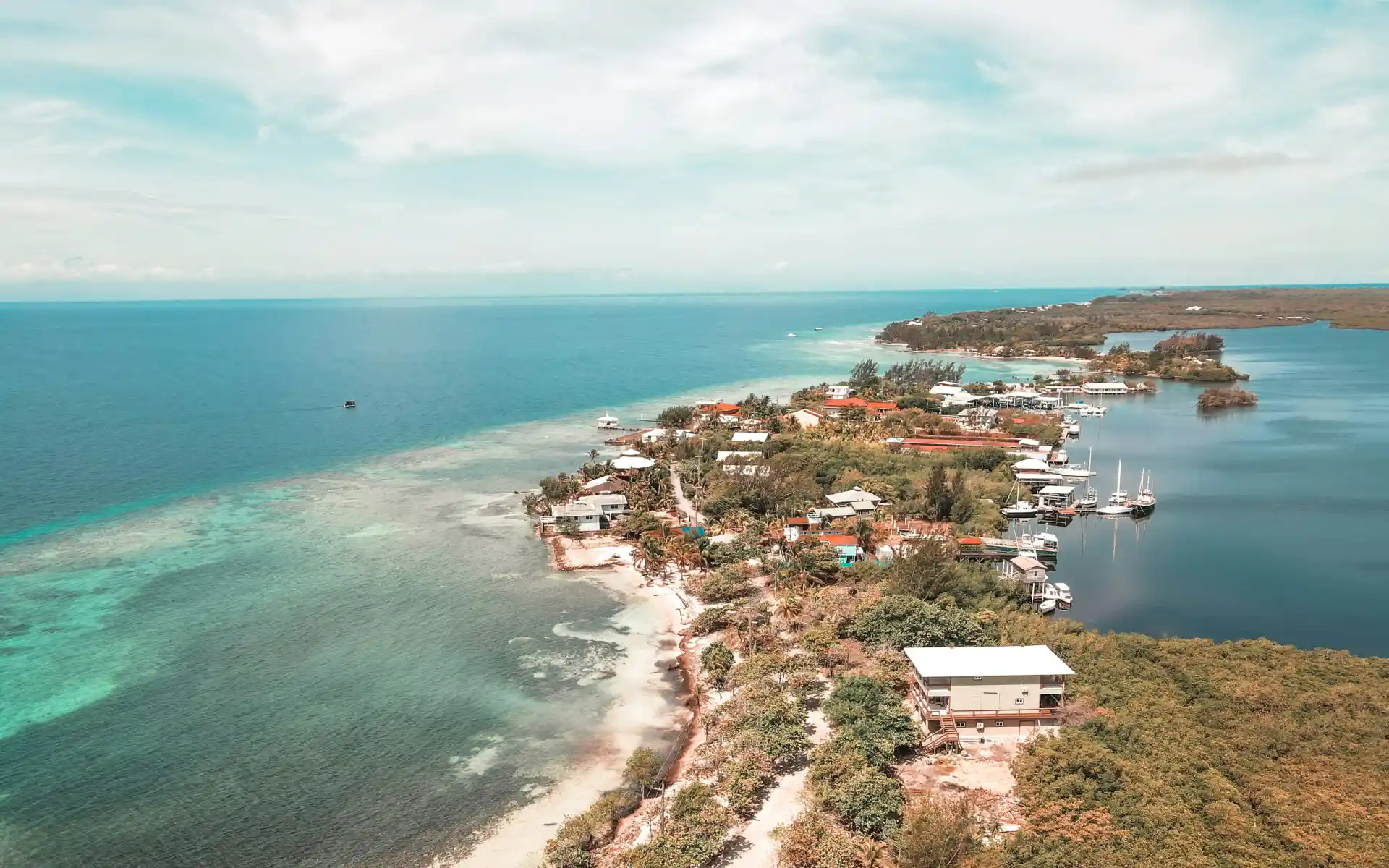
Honduras has a complicated reputation, but most travel guides miss that the country's statistics are heavily skewed by specific urban areas that most tourists never set foot in. The Bay Islands, particularly Roatán, offer strong tourism infrastructure, crystal-clear Caribbean water, and some of the best and most affordable scuba diving in the world. For many visitors, a Honduras trip really means a Bay Islands trip.
- Safety score/ranking: Sixth in Central America (GPI 124th globally)
- Best areas to visit: Roatán and Utila (Bay Islands), Copán Ruinas
- What to watch for: Tegucigalpa and San Pedro Sula have high crime rates. Minimize time in both if possible.
- Healthcare quality: Good on Roatán thanks to tourism infrastructure; more limited on the mainland
- Best for: Divers, snorkelers, and beach travelers willing to do a bit of extra research upfront
- Average Going deal: $353 roundtrip
Note: Many travelers fly directly into Roatán International Airport, bypassing the mainland entirely. It's a smart strategy if the Bay Islands are your main draw.
What about Belize?
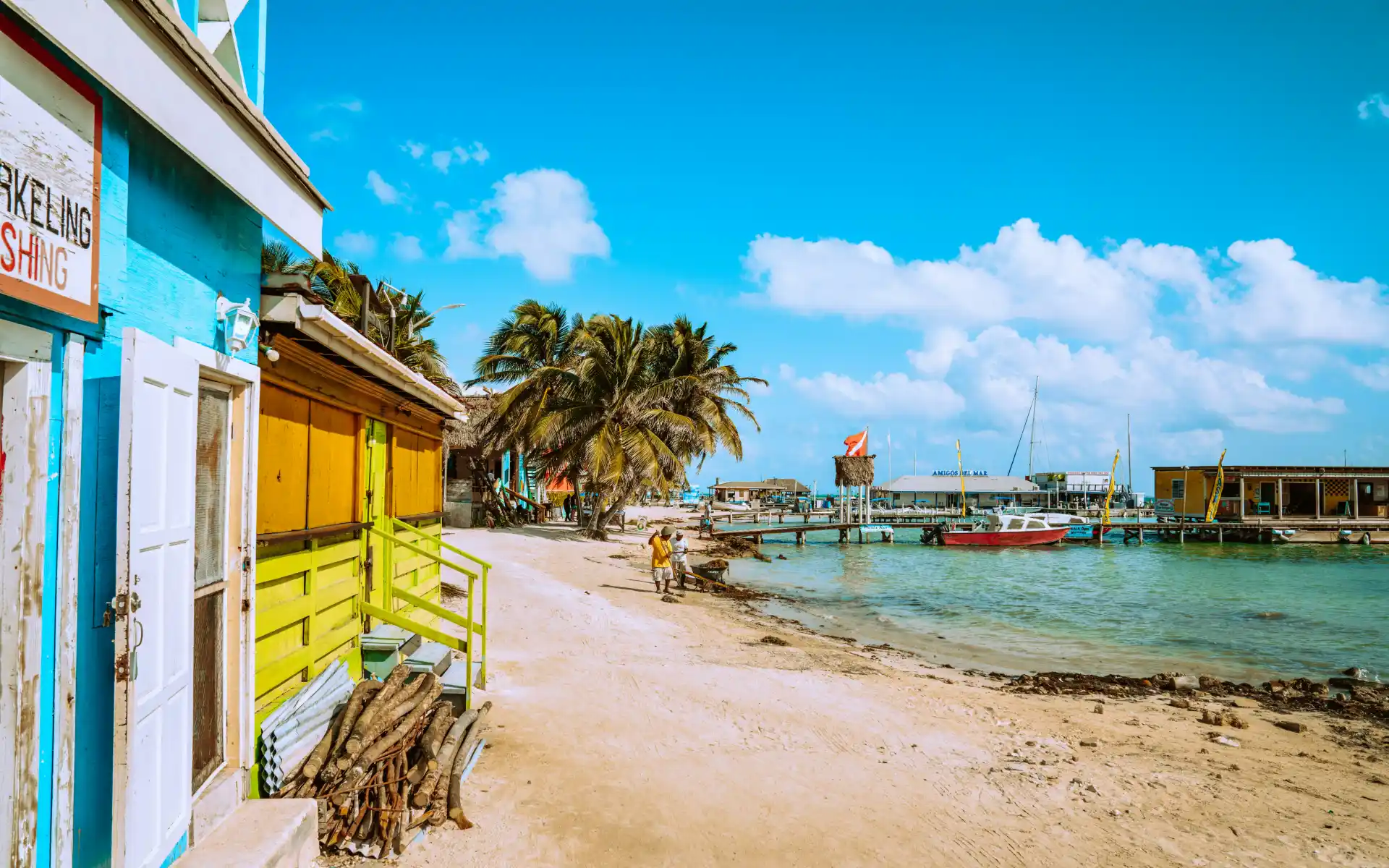
Belize doesn't appear in the 2025 Global Peace Index, not because of safety concerns, but because the GPI doesn't rank all small nations. That said, it's a well-established and popular destination for American travelers, as well as the only country in Central America where English is the official language.
The country does have some of the highest murder rates per capita, though safety varies greatly from one area to another. The key distinction, just like with Honduras, is between tourist areas and the rest of the country. The vast majority of serious incidents are concentrated in Belize City, which most tourists bypass entirely by flying directly to the cayes.
- Safety score/ranking: Not ranked in 2025 GPI; roughly moderate based on available data
- Best areas to visit: Ambergris Caye, Caye Caulker, Placencia, San Ignacio
- What to watch for: Belize City has higher crime rates, particularly south of Haulover Creek; most visitors skip it entirely
- Healthcare quality: Good on Ambergris Caye; more limited elsewhere in the country
- Best for: Divers, snorkelers, families, and first-timers looking for an English-speaking destination
- Average Going deal: $364 roundtrip
Note: The Belize Barrier Reef is the second-largest in the world and a UNESCO World Heritage Site. Snorkeling or diving there is one of the most memorable experiences Central America has to offer.

Safety by travel style: Which Central American country is right for you?
Safest Central American countries for solo female travelers
Costa Rica, Panama, and Belize are the top picks for solo female travelers, thanks to lower violent crime rates in tourist areas, strong tourism infrastructure, and active communities of solo travelers who share real-time tips online. Standard precautions apply. Share your itinerary, use trusted transport, and trust your instincts.
Best safe destinations for families
Costa Rica is the top family pick. Its national park system is extraordinary, private healthcare is excellent, and family-friendly tours are everywhere. Panama is a strong second for families who want a city-nature mix. Belize, with its English-speaking environment and barrier reef, is a great fit for families with older kids who love the water.
Safest options for first-time Central America visitors
Start with Costa Rica or Panama. Both offer familiar travel logistics, widespread English in tourist areas, and a sense of security where most visitors spend their time. The region can feel intimidating from the outside, but most first-timers are surprised by how easy it actually is once they arrive.
Safe countries for budget backpackers
Guatemala's Antigua and Lake Atitlán are longtime backpacker favorites with dense hostel networks and well-worn routes. El Salvador is increasingly popular, especially along the Pacific coast. Nicaragua remains extremely affordable for experienced travelers comfortable with its current climate. Belize is a good English-speaking option for those who want reef access without breaking the bank.
Safest Central American countries for LGBTQ+ travelers
Costa Rica and Panama are the most LGBTQ+-friendly countries in the region. Costa Rica legalized same-sex marriage in 2020 and has vibrant queer communities in San José and Manuel Antonio. Panama has a growing scene in Panama City with legal protections in place. Attitudes can differ between urban and rural areas across the region, so research your specific destinations and exercise discretion outside major cities.
Safety considerations beyond crime
Before you book, it's worth looking at the full picture beyond crime statistics alone.
Healthcare varies widely across the region. Costa Rica and Panama City offer excellent private medical care that rivals what you'd find in the US. Quality drops considerably in rural areas of Honduras, Nicaragua, and Guatemala. Travel insurance with medical evacuation coverage is recommended for any Central America trip. Before you purchase a separate policy, check whether your existing credit card or employer benefits already include travel coverage.
Natural risks are a factor in this part of the world. Guatemala, El Salvador, Costa Rica, and Nicaragua all have active volcanoes and are prone to earthquakes. Hurricane season runs from June through November and primarily affects the Caribbean coast. During the rainy season, flooding can make travel between remote areas more challenging. None of this should put you off, but it's worth factoring into your timing and travel insurance coverage.
The political climate requires extra attention in Nicaragua and Honduras. The US State Department updates its advisories regularly and remains the most reliable source for current conditions. Check before you book, and check again closer to your departure date.
Overall safety chart
| Country | Insecurity | Healthcare quality | Nature risks | Political issues | Overall safety |
|---|---|---|---|---|---|
| Costa Rica | Low | High | High | Medium | High |
| Panama | Low | High | Medium | Low | High |
| El Salvador | Low | Medium | Medium | Low | Medium–high |
| Belize | Medium | Medium-Low | Low | Low | Medium |
| Guatemala | Medium | Medium | Medium | Low | Medium |
| Nicaragua | Medium | Low | High | High | Medium–low |
| Honduras | High | Low | Medium | Medium | Medium–low |
Practical safety tips for Central America
Traveling in Central America is less complicated than many people assume, but a little preparation goes a long way. Here are the basics that apply across the region.
Before you go: Safety checklist
- Research neighborhoods before booking. Don't just look at an entire city. Look at the specific area where your accommodation is located. A hotel in the wrong part of town can make a difference. Travel forums, Google Maps reviews, and recent blog posts are useful here.
- Share your itinerary with someone at home. Let a trusted friend or family member know your plans: where you're staying, how you're getting around, and when to expect to hear from you. It's a simple step that adds peace of mind for everyone.
- Check travel.state.gov before you book. The US State Department updates its advisories regularly and breaks down safety by region within each country, not just at the national level. Check again closer to your departure date, as conditions can change.
- Register with the US Embassy. If you're traveling long-term or heading to more remote areas, enrolling in the Smart Traveler Enrollment Program (STEP) means the Embassy can reach you in an emergency.
- Check your existing coverage before buying travel insurance. Many credit cards and employer benefit plans include some form of travel protection. Know what you have before spending money on a duplicate policy, and make sure whatever you have covers medical evacuation, which can be expensive in remote areas.
Money and valuables
- Use ATMs inside banks or hotels. Standalone street machines are more vulnerable to skimming devices. Whenever possible, withdraw cash during business hours inside a bank lobby or at your hotel's front desk.
- Leave the flashy stuff at home. Expensive jewelry, designer bags, and the latest camera gear attract the wrong kind of attention. A basic daypack and a modest watch are your best travel companions in Central America.
- Split up your cash and cards. Carry only what you need for the day, and leave the rest locked in your accommodation safe. Keeping a small amount of cash in a separate pocket from your wallet is also a smart habit. If you're ever in an uncomfortable situation, you can hand something over without losing everything.
Transportation safety
- Stick to licensed taxis and ride apps. Uber and InDrive operate in most major cities across Central America and are generally the safest and most transparent option. If you do take a regular taxi, agree on the fare before getting in, or make sure the meter is running.
- Be selective with overnight buses. Long-distance overnight buses can be convenient and affordable, but quality and safety vary widely. Stick to well-reviewed, established operators. Fellow travelers and hostel staff are usually the best source of current recommendations.
- Use guided tours for remote areas. For places like Tikal in Guatemala, Corcovado in Costa Rica, or Tortuguero on the Caribbean coast, joining a guided tour is recommended. Trails can be poorly marked, infrastructure is limited, and a knowledgeable local guide will make the experience better and safer.
Daily precautions
- Stay alert in crowded spaces. Markets, bus terminals, and busy tourist attractions are the most common settings for petty theft. Keep your bag in front of you, be aware of who's around you, and avoid checking your phone while walking.
- Trust your instincts. If a situation, street, or person feels off to you, it's okay to walk away. You don't owe anyone an explanation, and your gut is often right.
- Blend in where you can. Loud tourist behavior and obvious displays of wealth make you a more visible target. Dress modestly, keep your voice down, and save the resort wear for the resort.
Note: Joining a Facebook travel group or the r/centralamerica community on Reddit before your trip is a good move. Fellow travelers share real-time safety updates, neighborhood tips, and firsthand recommendations that guidebooks can’t match.
Communication and connectivity
- Get a local SIM card or international plan sorted before you land. Having data from the moment you arrive makes everything easier: navigation, translation, ride apps, and staying in touch. Many US carriers now offer affordable international day passes, or you can pick up a local SIM at the airport.
- Save key information offline. Emergency numbers, your accommodation address, and your itinerary should all be accessible without an internet connection. A screenshot or a note on your phone works fine. Just don't rely on having signal when you need it most.
- Download offline maps before you go. Both Maps.me and Google Maps allow you to download regional maps for offline use, and both work reliably throughout Central America. It's one of those small preparations that can really pay off.

Plan your Central American adventure with Going
The hardest part of any Central America trip shouldn't be finding an affordable flight. Going scours the internet for discounted fares and sends members deals to destinations like San José (SJO), Panama City (PTY), and beyond, so you can spend less money getting there and more on the experience itself.
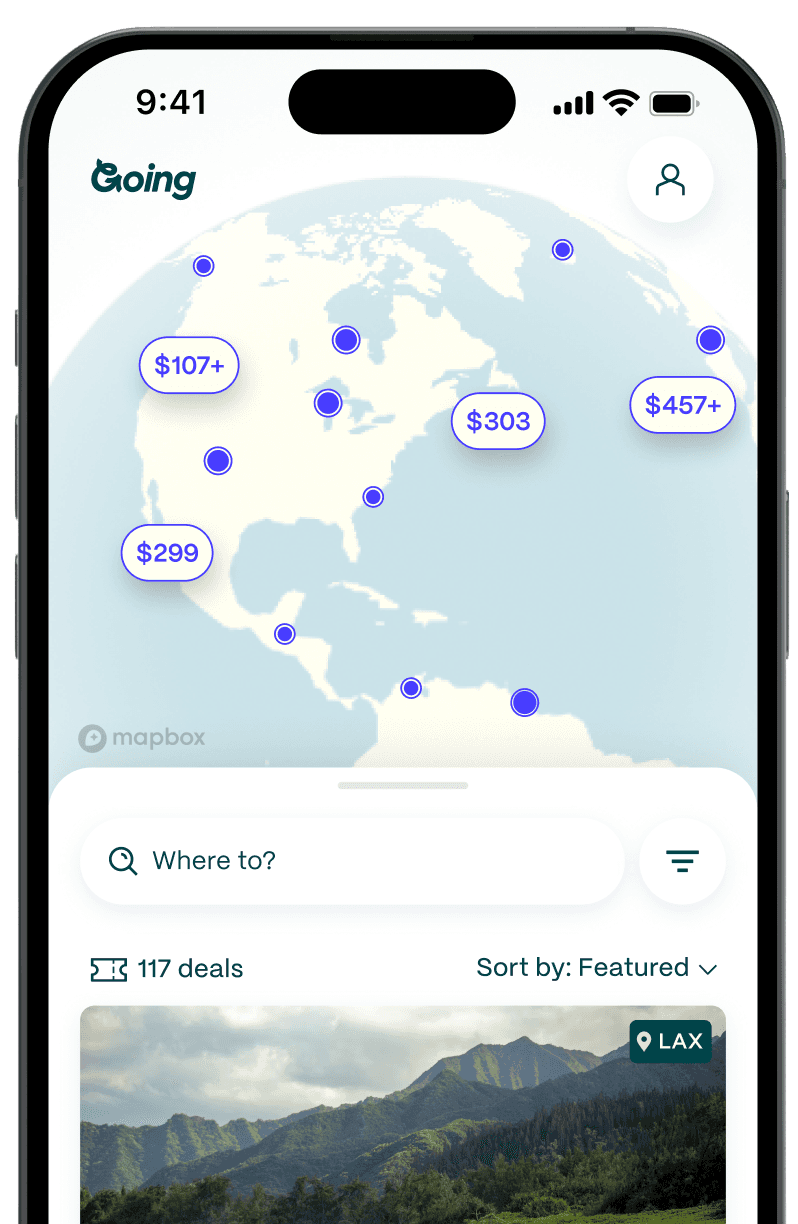
Ready to start planning? You can get instant flight deals to these destinations by signing up for a Premium or Elite membership. You can also download the Going app to set custom flight alerts, so you can feel confident that our travel experts will find you the best deal every time.
Frequently asked questions
What is the safest country to visit in Central America?
Is Central America safe for American tourists?
Is Central America safe for solo female travelers?
Which Central American country is the most visited by tourists?
What is the best Central American country to visit for the first time?
Last updated April 23, 2026
Articles you might like
View All