Hurricane Season in the Caribbean: How To Find the Best Deals and Still Have a Great Trip



May 15, 2026
6 min read
Table of Contents
Hurricane season in the Caribbean has a pretty bad reputation, we’ll give it that. While parts of that reputation are warranted, it’s important to acknowledge that the entire Caribbean doesn’t fall into a single weather zone, and so actually, many trips during this time of year go off without a single canceled flight. What does happen, reliably, is that prices drop, beaches empty out, and savvy travelers walk away with the kind of memories you can’t always find at peak season in the Caribbean. Here’s how to read the season, where to go, and how to book a trip you’ll enjoy.
Key takeaways
- Atlantic hurricane season runs June through November, but peak risk is mid-August to mid-October.
- The Caribbean is not one weather zone. Islands south of about 12 degrees north (Aruba, Bonaire, Curaçao, Trinidad, Barbados) sit outside the hurricane belt and rarely see direct hits.
- Flight prices to most Caribbean destinations drop 20 to 40 percent during hurricane season, with the most dramatic deals in August and September.
- June, July, and late October are the sweet spots: low-season pricing with much lower storm risk.
- Travel insurance with weather cancellation coverage is necessary if you are booking a hurricane-belt destination during peak months.
- Going members regularly find roundtrip Caribbean flights for under $300 during low season. Premium and Elite members get access to deals throughout the entire Caribbean, including passport-free trips to Puerto Rico and the US Virgin Islands.

When is hurricane season in the Caribbean?
The short answer: June through November. The longer answer: That six-month time frame hides a lot of variation in storm risk and includes several weeks that are statistically calmer than parts of "safe" months.
Official dates and what they actually mean for travelers
The Atlantic hurricane season officially runs from June through November. NOAA defines this window as the stretch when conditions across the Atlantic basin (warm sea-surface temperatures, low wind shear, moisture from West Africa) are most favorable for tropical storm development. The dates are bookends, not a forecast. In a typical year, the first six weeks and the final six weeks of the season see very little activity. Travelers who treat the whole window as off-limits miss some of the best Caribbean weather, not to mention airfare pricing, of the year.
Peak risk window vs. the full season (be mindful of mid-August to mid-October)
More than 75 percent of Atlantic hurricanes form between mid-August and mid-October, with September 10 sitting at the statistical peak. That is the window where flexibility and a bit of extra caution can pay for itself. Outside of it, the math swings sharply in your favor. June trips face a fraction of the risk of September trips, and late October often sees clearer skies than early August. The takeaway: Traveling to the Caribbean during hurricane season does carry some risk, but the danger zone inside it is narrower than most travelers assume.
How storms form and why not every island is equally affected
Tropical storms typically form off the coast of West Africa, drift west across the Atlantic, and curve north as they approach the Caribbean. The northern Caribbean (Puerto Rico, Dominican Republic, Haiti, Cuba, the Bahamas) catches the brunt of the season. Much of the southern Caribbean sits below the typical storm track. That said, regions outside the traditional hurricane belt are not completely spared. They can still see passing rain, gusty afternoons, or the tail end of a system, but the impact on your trip is far less than what travelers face in hurricane-prone zones.
Why hurricane season is a great time to visit the Caribbean
Travel demand drops the moment a region gets associated with bad weather, even when the risk is low for most of the season. That gap between perception and reality is exactly where the deals live, and it is why hurricane season can be one of the smartest times to book a Caribbean trip.
How airlines price Caribbean flights during hurricane season
Airlines shift to off-peak pricing for Caribbean routes from late May through early December. Roundtrip flights from major US hubs to areas like Aruba, San Juan, or Cancún routinely drop from $500 in March to sub-$300 in September. Resort prices follow the same pattern. All-inclusives in Punta Cana, Negril, and the Riviera Maya often run 30 to 50 percent below their February peaks. The savings get deeper the closer you book to the heart of the season, which is why August and September departures are where the headline deals show up.
The Off-Peak Paradox: fewer crowds, lower prices, same beaches
Same beach, same turquoise water, same 85-degree afternoons. The difference is half the crowds and a significantly cheaper trip. We call this the Off-Peak Paradox, and it is one of the most reliable patterns in travel pricing. The destinations have not changed, but demand has. If you are flexible on dates and willing to monitor the forecast, you can claim a much better trip for noticeably less money.
What the Caribbean looks like during low season (lush, green, and far less crowded)
Hurricane season is also the rainy season, but rain in the tropics rarely looks like a Pacific Northwest drizzle. Expect short, heavy afternoon showers that pass within an hour and leave the islands greener than at any other time of year. Mornings are usually clear, evenings cool down, and water temperatures sit around 84 degrees. Restaurants take walk-ins, snorkeling boats run with half-empty decks, and the photos you take will not include hundreds of strangers in the background.
The Caribbean islands outside the hurricane belt
If you want Caribbean weather without the storm risk, head south. The islands and destinations below sit largely outside the traditional hurricane belt, which means they rarely see direct hits and are statistically your safest bet during peak months.
Aruba, Bonaire, and Curaçao (ABC islands)

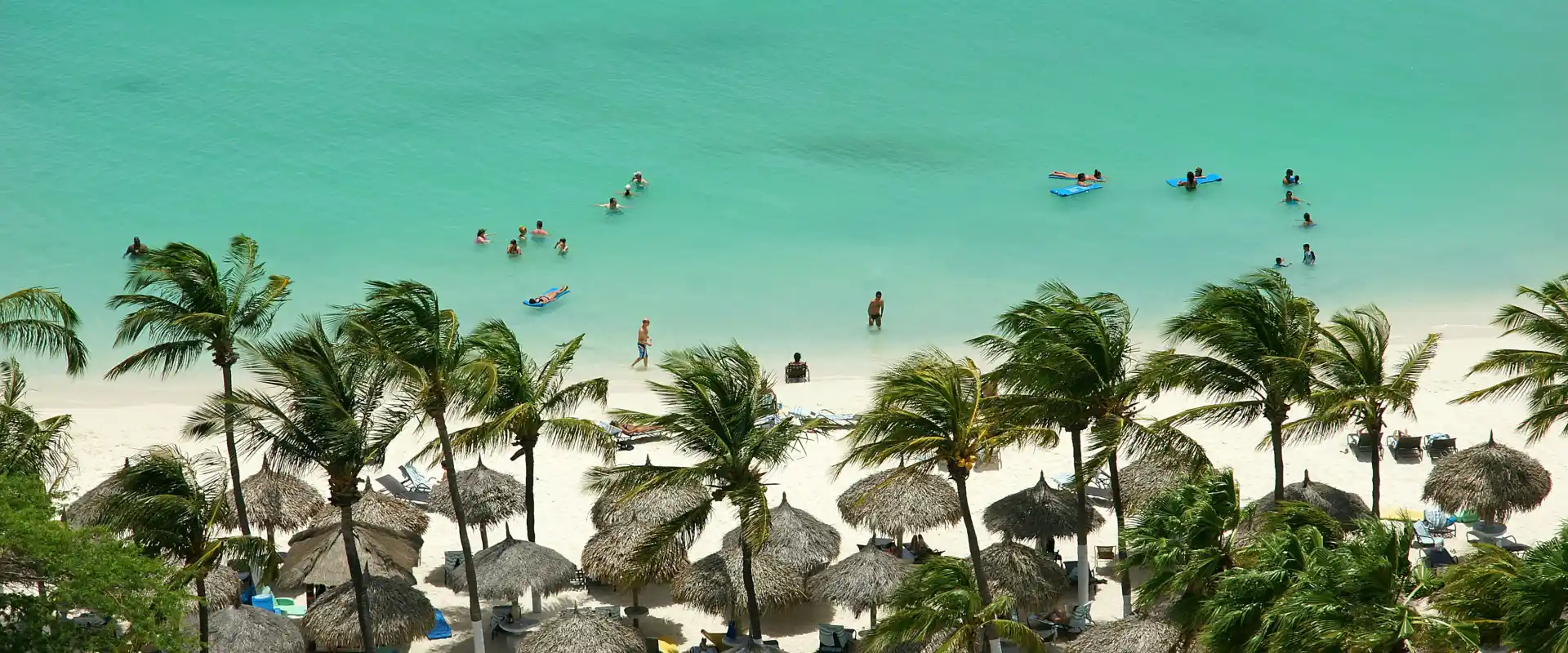
Sitting 15 to 70 miles off the coast of Venezuela, the ABC islands are arid, breezy, and largely outside the storm track. Aruba alone has been directly hit by only a handful of hurricanes in recorded history. They are a strong call for travelers who want guaranteed sun even in September.
- Main attractions: Eagle Beach (Aruba), Klein Bonaire snorkeling, Willemstad's pastel waterfront (Curaçao)
- Main airport: Queen Beatrix International (AUA), Flamingo International (BON), Curacao International (CUR)
- Budget range: Mid to high, with strong shoulder-season deals
- Best for: Beach loungers, divers, couples, anyone who wants reliable weather
- Average Going deal: $349 roundtrip
Trinidad and Tobago
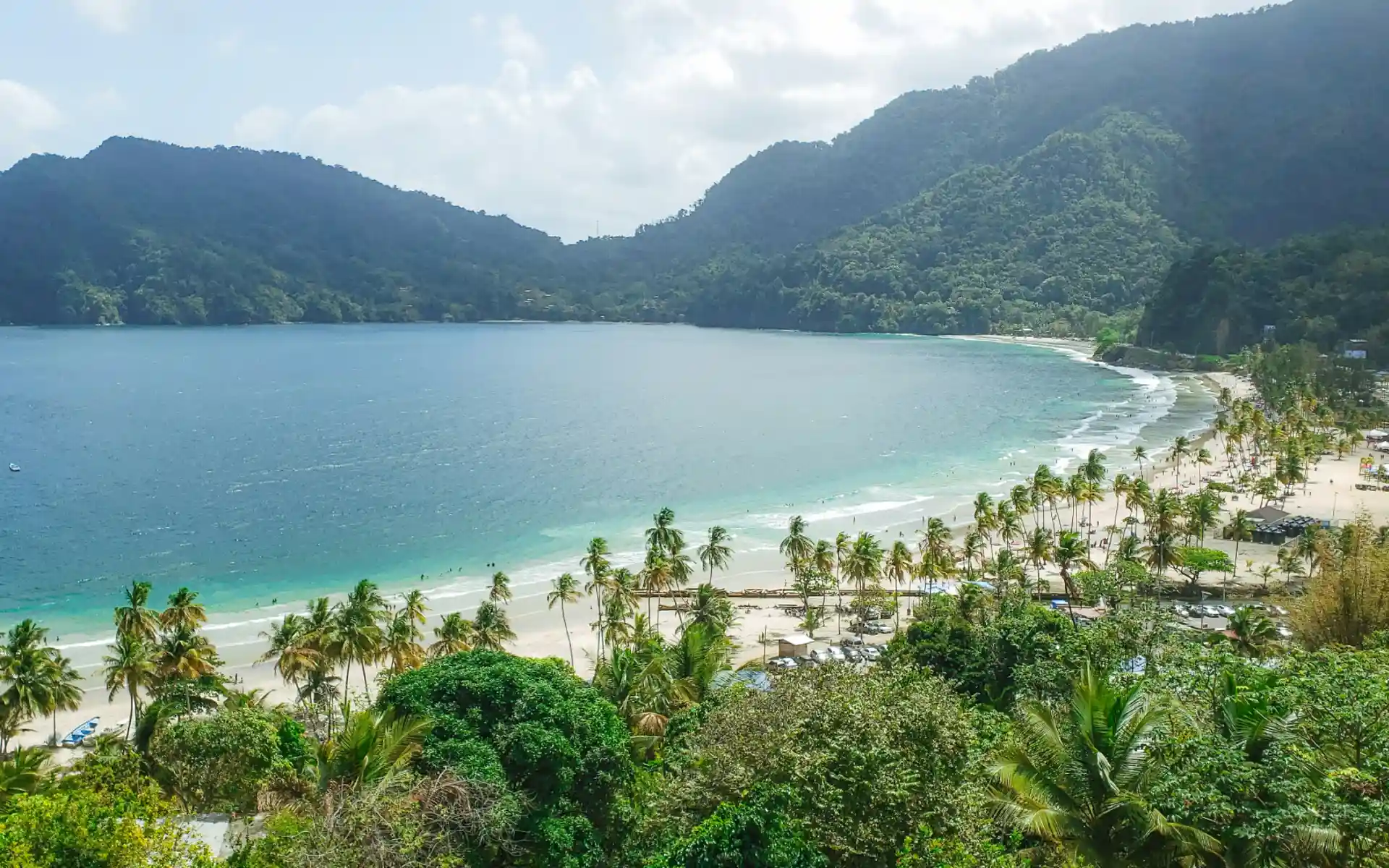
At about 10 degrees north latitude, Trinidad and Tobago sit south of the typical hurricane corridor. The two-island nation has been directly hit only a handful of times since records began. Trinidad leans toward urban energy and Carnival culture, while Tobago is its quieter, beachier sibling.
- Main attractions: Tobago's Pigeon Point and Buccoo Reef, Trinidad's Maracas Beach, Asa Wright Nature Centre
- Main airport: Piarco International (POS) for Trinidad, ANR Robinson International (TAB) for Tobago
- Budget range: Mid-range, often cheaper than the ABC islands
- Best for: Culture, music, birdwatching, off-the-beaten-path travelers
- Average Going deal: $327 roundtrip
Barbados
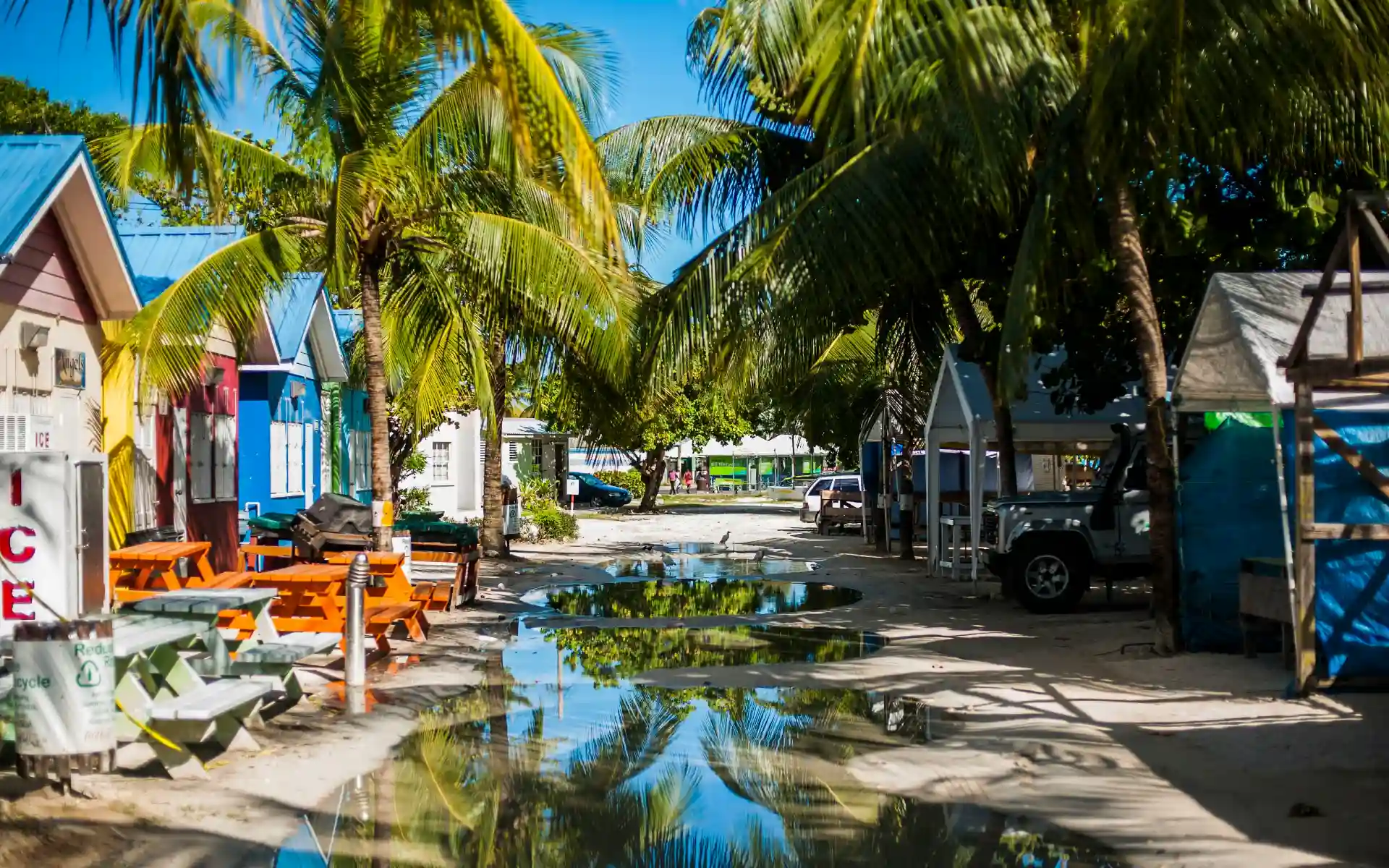
Barbados sits at the eastern edge of the Caribbean at 13 degrees north, slightly outside the main belt. It sees more rain than the ABCs and the occasional brush with a tropical storm, but direct hurricane hits are rare. Pink-sand beaches, world-class rum, and a killer food scene? Anything but rare, making it a reliable shoulder or off-season pick.
- Main attractions: Crane Beach, Bridgetown's UNESCO district, Mount Gay rum tours, Oistins Friday fish fry
- Main airport: Grantley Adams International (BGI)
- Budget range: Mid to high
- Best for: Beach lovers, foodies, couples, families
- Average Going deal: $350 roundtrip
Cartagena, Colombia (Caribbean coast, below the belt)

Colombia's Caribbean coast sits south of 11 degrees north and almost never experiences hurricanes. Cartagena gives you Caribbean color and culture in a walkable colonial city, paired with nearby beaches and the Rosario Islands. It is also one of the most affordable Caribbean destinations year round.
- Main attractions: Walled Old City, Castillo San Felipe, Rosario Islands day trips, Getsemaní street art
- Main airport: Rafael Nunez International (CTG)
- Budget range: Budget to mid-range
- Best for: Culture travelers, couples, food lovers, group trips
- Average Going deal: $327 roundtrip

Caribbean hot spots inside the hurricane belt
These destinations sit squarely inside the hurricane belt, which means a higher chance of weather disruption from August through October. That being said, they also see the deepest discounts. If you are considering one of them during peak months, build in flexibility. Book refundable fares when you can (aka main economy or higher), use a credit card that includes trip cancellation coverage, and consider standalone travel insurance with weather provisions. Done right, these trips can be the best value in the Caribbean.
Puerto Rico
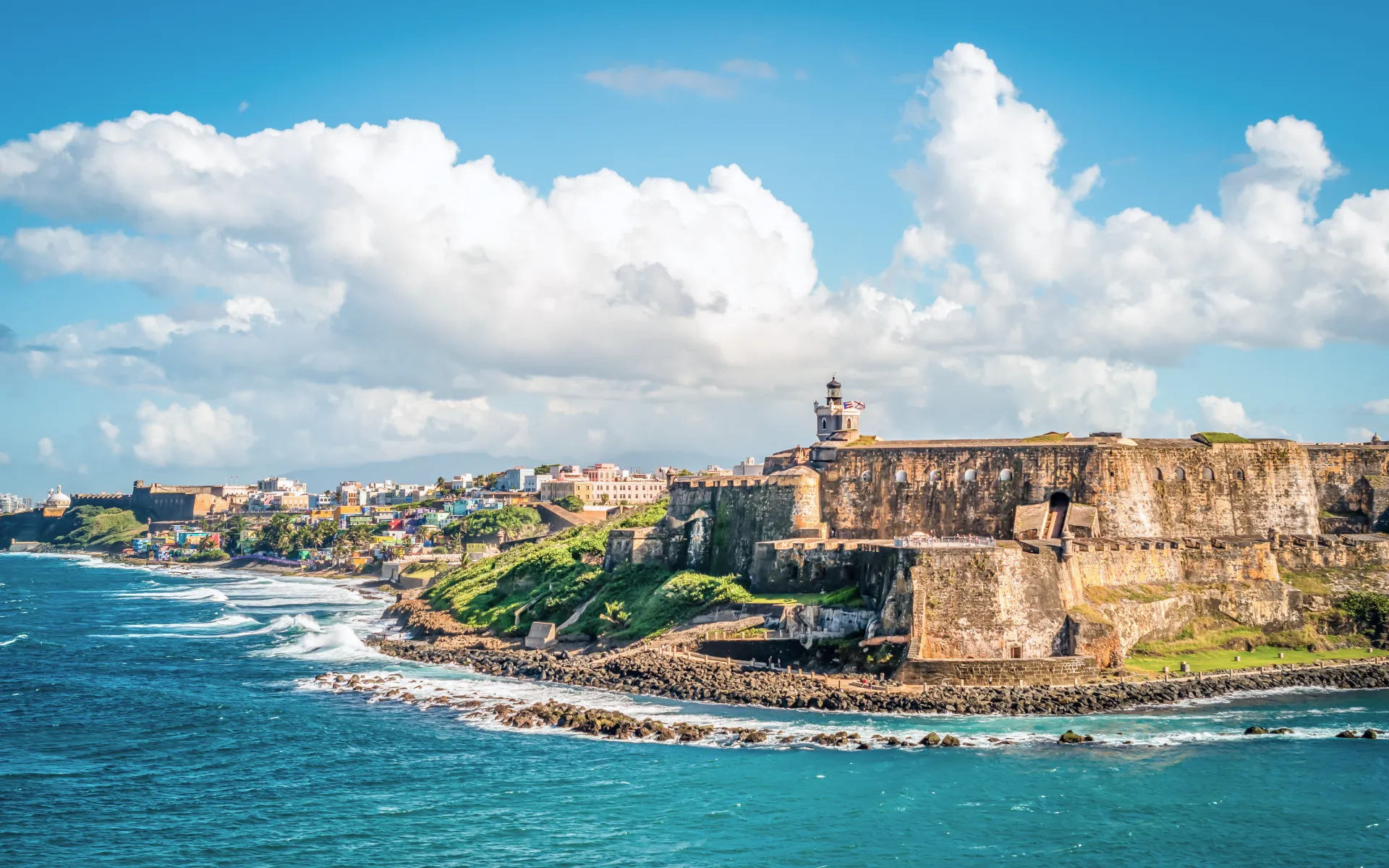
Puerto Rico sits in the heart of the hurricane corridor and felt the full force of Hurricane Maria in 2017. That said, peak-season hits to specific islands are still relatively uncommon in any given year, and San Juan offers strong urban infrastructure if a storm forces you to shelter or shift plans. For US citizens, no passport is required, which makes last-minute pivots easier.
- Main attractions: Old San Juan, El Yunque rainforest, Vieques bioluminescent bay, Flamenco Beach
- Main airport: Luis Munoz Marin International (SJU)
- Budget range: Mid-range; no passport needed for US travelers
- Best for: First-time Caribbean travelers, hikers, couples
- Average Going deal: $268 roundtrip
Jamaica
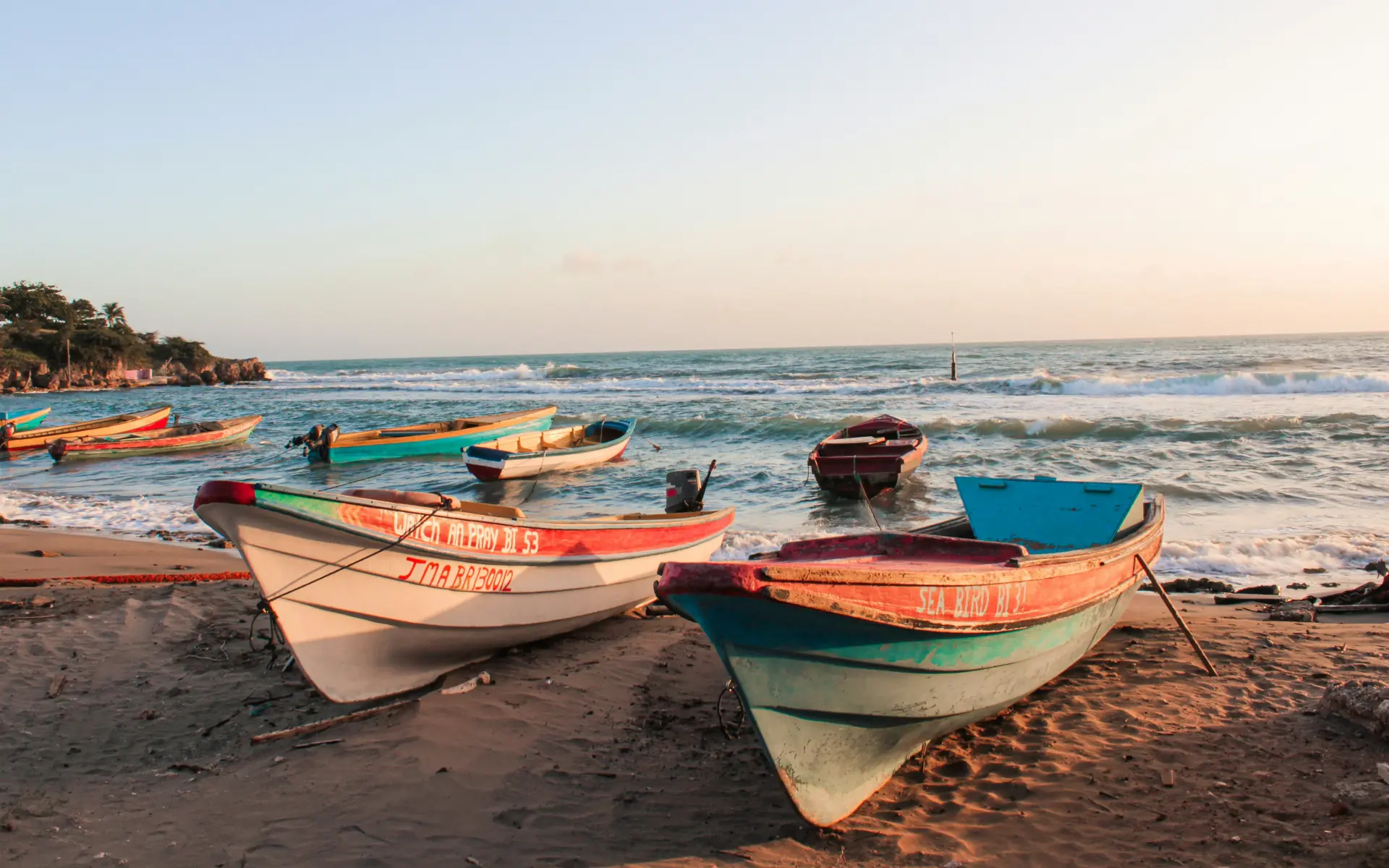
Jamaica's north coast catches the most weather, but the island is large enough that microclimates exist and storms rarely shut down the entire country. All-inclusive resorts in Negril and Montego Bay are typically the cheapest each August and September. Pair that with a credit card that includes trip cancellation coverage, and the math looks pretty friendly.
- Main attractions: Seven Mile Beach in Negril, Dunn's River Falls, Blue Mountains hiking, Bob Marley Museum
- Main airport: Sangster International (MBJ), Norman Manley International (KIN)
- Budget range: Wide range; all-inclusive value strong in low season
- Best for: All-inclusive seekers, couples, beach lovers
- Average Going deal: $348 roundtrip
Dominican Republic
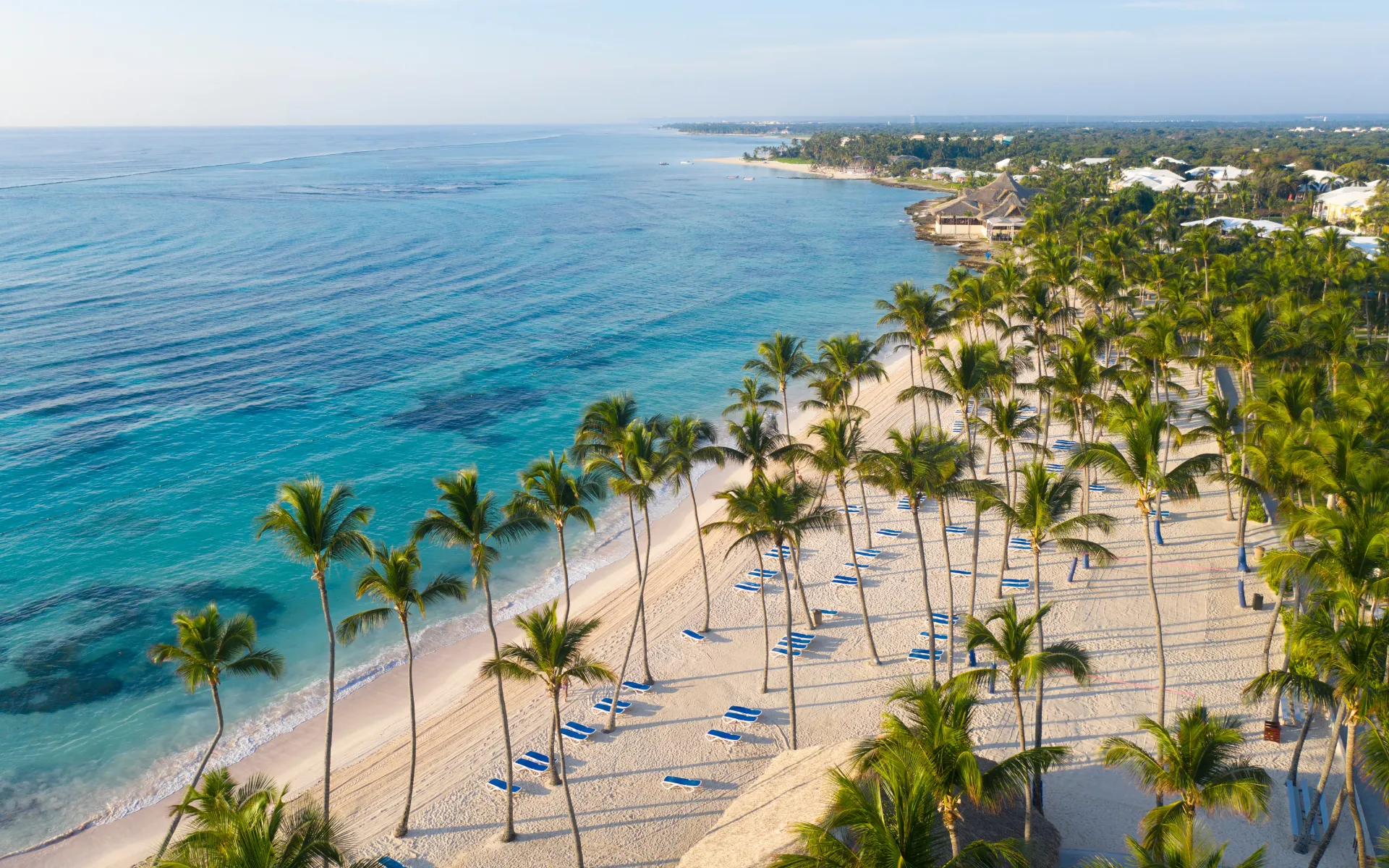
Punta Cana, Santo Domingo, and Puerto Plata each have different storm-risk profiles, with the southern coast generally less exposed than the north. The DR is one of the most discounted Caribbean destinations during hurricane season, with all-inclusive packages dropping significantly from spring rates. Travel insurance is worth the small premium for any peak-month booking.
- Main attractions: Punta Cana beaches, Zona Colonial in Santo Domingo, Saona Island, Samana whale watching (January to March)
- Main airport: Punta Cana International (PUJ), Las Americas International (SDQ)
- Budget range: Budget to mid-range, especially for all-inclusives
- Best for: Resort travelers, families, group trips
- Average Going deal: $338 roundtrip
Mexico's Caribbean coast (Cancún, Tulum, Cozumel)
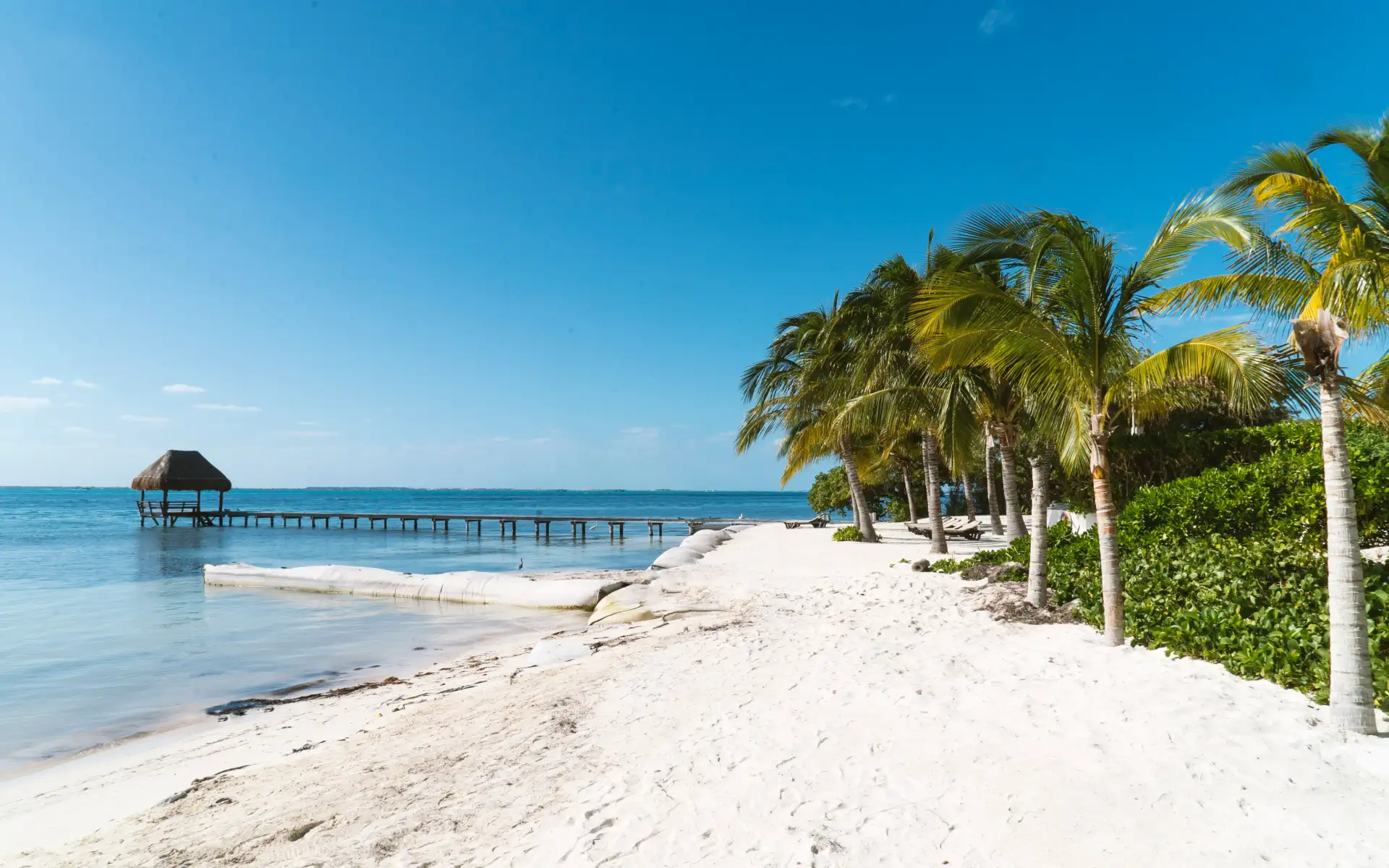
The Yucatan catches Atlantic hurricanes regularly, but the Riviera Maya's resort infrastructure is built to handle them. Hotels closely monitor storms, and Cancún's airport is one of the busiest in the region, which means strong rebooking flexibility if a storm forces a pivot. Prices in September can be 30 to 50 percent lower than peak.
- Main attractions: Cancún's Hotel Zone beaches, Tulum ruins, Cozumel reef diving, cenotes near Playa del Carmen
- Main airport: Cancun International (CUN), Cozumel International (CZM)
- Budget range: Budget to high, depending on neighborhood
- Best for: Beach travelers, divers, couples, families
- Average Going deal: $336 roundtrip
How to time your Caribbean trip to avoid the worst of hurricane season
June and July: underrated sweet spot
Storm activity is statistically low in June and most of July. Prices have already dropped from spring rates, the islands are full but not crowded, and the weather is what most travelers are picturing when they imagine the Caribbean. This is the best window if you want low-season pricing without playing hurricane roulette.
August and September: highest risk, lowest prices
This is when the deals are deepest, and the risk is highest. If you are willing to accept some uncertainty in exchange for prices that may be 40 percent below peak, this is the window. Build in flexibility, monitor forecasts, and lean toward destinations outside the belt for peace of mind. If you do book a hurricane-belt destination in these months, treat travel insurance with hurricane coverage as nonnegotiable.
October and November: risk drops, deals linger
Late October and November are where many seasoned Caribbean travelers focus. Storm activity tapers, the rain eases, and airlines hold off-peak pricing through Thanksgiving. November, in particular, has one of the best value-to-weather ratios all year, and it gets you a winter beach trip without paying winter beach prices.
How to book smart and protect your trip
Always get travel insurance with weather cancellation coverage
Standard travel insurance policies often exclude "named storms" if you buy coverage after a system has been named. Buy your insurance the same day you book your trip. Look for policies that explicitly include hurricane coverage, and consider the "Cancel For Any Reason" upgrade if you want maximum flexibility. Many premium credit cards include trip cancellation and interruption coverage when you pay with the card, which can layer on top of a standalone policy.
How to monitor storm forecasts before and during your trip
Bookmark the National Hurricane Center (nhc.noaa.gov) for the most reliable Atlantic forecasts. The NHC issues advisories every six hours during active storms and provides a five-day forecast that shows the most likely storm path along with the margin of error. Apps like Windy and Hurricane Tracker offer mobile-friendly views of the same data. Once a system has a name and a track that intersects your destination, start checking once a day.
What to do if a hurricane threatens your destination
If a named storm is forecast to impact your destination within five to seven days, contact your airline. Most major US carriers issue travel waivers that allow free changes when a hurricane threatens an affected route, and the waivers usually appear on the airline's website before agents can offer them by phone. Hotels and resorts typically follow with their own cancellation flexibility. If you have already arrived, follow local authorities and your resort's emergency protocols. Sheltering in place at a major resort is often safer than attempting last-minute travel out of the region.
Follow the hurricane calendar
Use the chart below as a quick reference for matching the calendar with the smartest Caribbean destinations. Low months are statistically the calmest. Moderate and high mark the heart of the season.
| Month | Storm risk | Best Caribbean destinations |
| June | Low | All Caribbean (early-summer sweet spot for deals) |
| July | Low to moderate | All Caribbean, especially southern islands |
| August | High | ABC islands, Trinidad and Tobago, Barbados, Cartagena |
| September | Highest (peak) | ABC islands, Trinidad and Tobago, Cartagena |
| October | Moderate to high | ABC islands, Barbados; late October becomes more reliable |
| November | Low | All Caribbean (deals linger through Thanksgiving) |
How Going helps you find Caribbean deals year round
Going sends members alerts on Caribbean flight deals from their home airports, including peak-season fares and last-minute mistake fares that are easy to miss on your own. Members regularly book flights to San Juan, Cancún, and Punta Cana for under $300 roundtrip, often in the exact months when most travelers assume the Caribbean is off-limits. If you are open to a wider set of destinations and dates, sign up for Going to get the deals delivered before they sell out.

Frequently asked questions
Is it safe to travel to the Caribbean during hurricane season?
Which Caribbean islands are safest during hurricane season?
When is the absolute peak of the Caribbean hurricane season?
Does hurricane season affect the whole Caribbean equally?
Can I get a refund if a hurricane hits my destination?
Last updated May 15, 2026