Cheapest South American Countries to Visit in 2026 (Updated)


)


February 6, 2026
10 min read
Table of Contents
The cheapest South American country to visit is Bolivia, offering exceptionally low costs for accommodations (as low as $6/night), meals (under $3), and local transport, making it ideal for budget travelers. Other top budget contenders include Peru, Ecuador, and Paraguay, where daily expenses range from $25–$40. Colombia and Argentina cost slightly more but deliver wonderful cultural experiences, while even the continent's pricier options—Chile and Brazil—can remain affordable compared to North America or Europe.

Key takeaways
Top budget picks:
- Bolivia: The overall winner for budget travel with hostels from $6/night, meals under $3, and stunning salt flats—with high altitude and visa fees for US citizens ($160).
- Peru: Excellent budget option at $30–$40/day with world-class sites like Machu Picchu, accessible tourism infrastructure, and incredible street food.
- Ecuador: Very budget-friendly at $30–$40/day, use of the US dollar makes budgeting easier, offers diverse landscapes like the Amazon and Galápagos (though islands are expensive).
- Paraguay: Often overlooked but incredibly cheap ($25–$35/day) with authentic experiences and diverse landscapes, perfect for travelers seeking off-the-beaten-path adventures.
- Colombia: Slightly pricier ($35–$50/day) but offers great value with vibrant cities, world-class coffee culture, and warm hospitality throughout Cartagena, Medellín, and Bogotá.
Mid-range options:
- Argentina: More expensive ($40–$60/day) with volatile currency, but delivers European-style elegance in Buenos Aires, world-class beef and wine, and stunning Patagonian wilderness.
- Chile: South America's most expensive alongside Brazil ($50–$70/day), but offers modern infrastructure, incredible safety, and extreme adventures, such as in the Atacama Desert and among the Patagonian glaciers.
- Brazil: Pricier option ($50–$75/day) requiring US visa, but delivers unparalleled energy with Rio's beaches, Amazon rainforest, and unique cultural experiences.
Key budget tips:
- Eat local: Street food and markets (mercados) offer meals for $1–$3 versus $8–15 at tourist restaurants.
- Travel shoulder season: March–May and September–November offer the best combination of good weather and low prices.
- Book overnight buses: Save on accommodation while maximizing daytime for activities; comfortable cama buses cost $20–$40 between major cities.
- Use Going for flights: Members regularly find deals under $350 roundtrip to South America, with mistake fares and unadvertised discounts saving hundreds per ticket.
Cheapest South American countries to visit
1. Bolivia
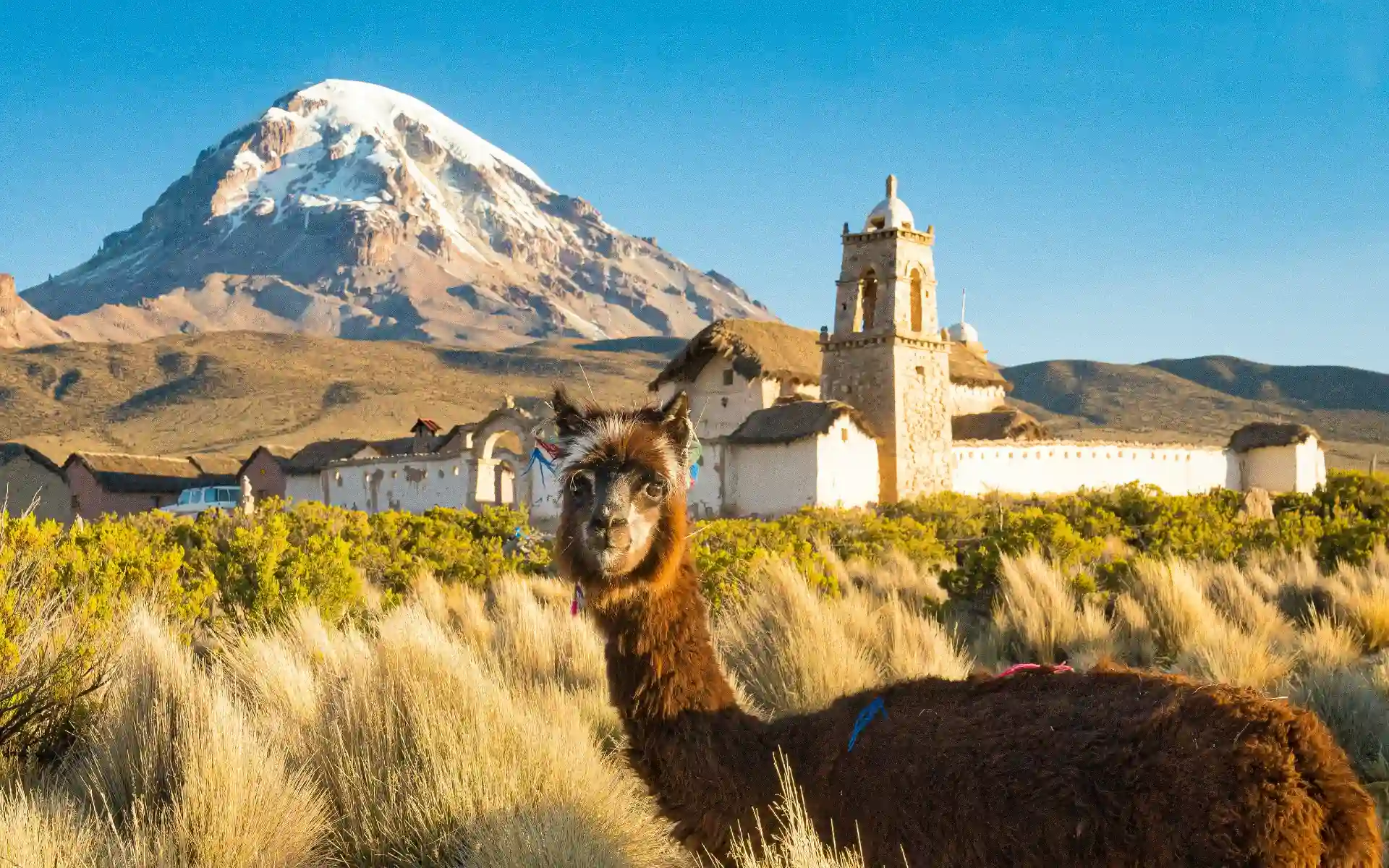
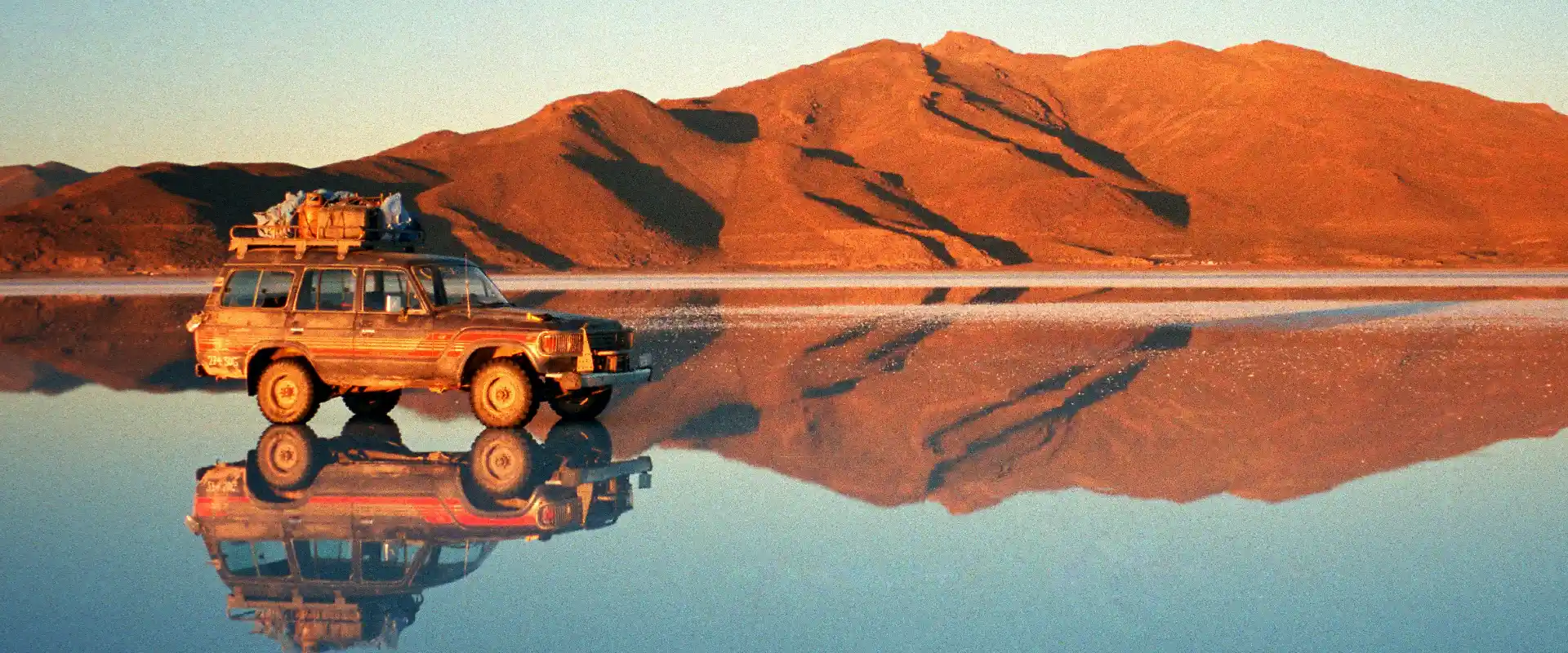
Bolivia takes the gold as South America's most budget-friendly destination, and for good reason. This landlocked country delivers otherworldly landscapes—salt flats that stretch to infinity, high-altitude lakes, and colorful colonial towns—all at unbeatable prices. La Paz, the world's highest capital, buzzes with Indigenous culture and mountain views, while the surreal Salar de Uyuni salt flats offer one of Earth's most photogenic experiences.
Highlights:
- Salar de Uyuni (world's largest salt flat)
- La Paz and its cable car network
- Lake Titicaca (birthplace of Inca civilization)
- Sucre's white colonial architecture
- Death Road mountain biking
Main airports:
- El Alto International Airport (LPB) in La Paz
- Viru Viru International Airport (VRU) in Santa Cruz
Extras: US citizens need a visa. High altitude affects many visitors in La Paz (11,975 feet), so plan to acclimatize.
Average daily budget: $25–$30
- Accommodation: $10–$20 (hostels) to ~$35 (budget hotels)
- Meals: $2–$5 per meal at local restaurants; $1–$2 for street food
- Local transport: $0.30–$0.50 for city buses; $2–$5 for taxis
Currency: Boliviano (BOB)
Exchange rate: ~6.9 BOB = $1 USD
Recent Going deals:
- Miami to Bolivia for $381 roundtrip
- Raleigh to Bolivia for $412 roundtrip
- Chicago to Bolivia for $446 roundtrip
2. Peru
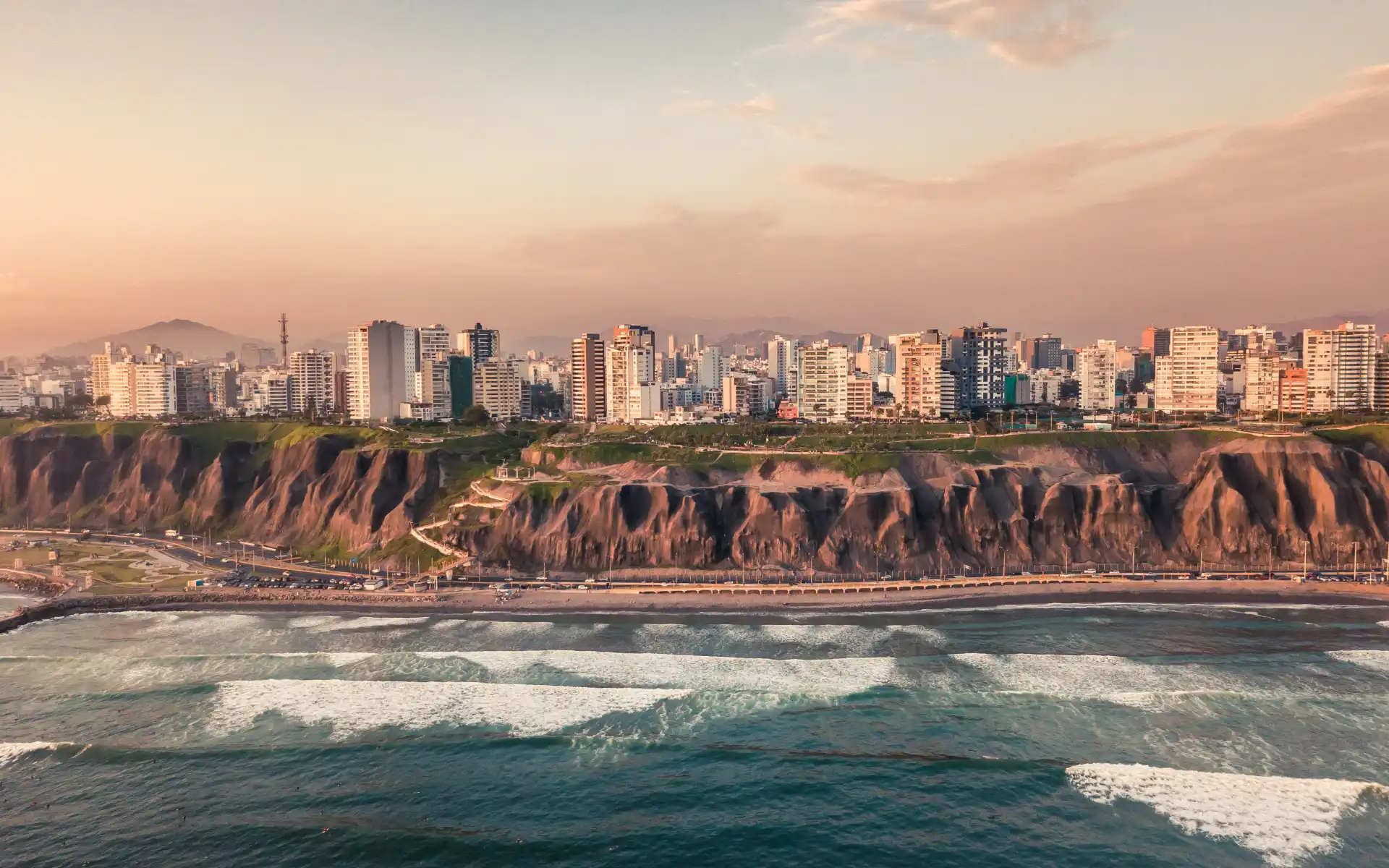
Peru strikes the perfect balance between affordability and accessibility. While slightly pricier than Bolivia, it offers more tourism infrastructure, easier travel logistics, and attractions that rank among South America's best. From the iconic ruins of Machu Picchu to the colonial charm of Cusco and the culinary renaissance in Lima, Peru delivers world-class experiences at unbeatable prices.
The Sacred Valley, Amazon rainforest, and coastal desert all lie within one country, making Peru incredibly diverse. Budget travelers will find Peru welcoming, with countless hostels, affordable restaurants serving incredible ceviche and lomo saltado (traditional Peruvian stir-fry dish), and cheap intercity buses connecting major sites.
Highlights:
- Machu Picchu and the Sacred Valley
- Cusco's Inca and colonial architecture
- Lima's food scene (ranked among world's best)
- Arequipa and Colca Canyon
- Amazon rainforest (Iquitos or Puerto Maldonado)
- Nazca Lines
- Lake Titicaca (Peruvian side)
Main airports:
- Jorge Chávez International Airport (LIM) in Lima
- Alejandro Velasco Astete International Airport (CUZ) in Cusco
Extras: No visa required for US citizens for stays up to 183 days. Altitude is a factor in Cusco (11,150 feet) and Puno. The rainy season (November–March) makes Machu Picchu less appealing but brings lower prices.
Average daily budget: $30–$40
- Accommodation: $10–$20 (hostels) to $25–$45 (budget hotels)
- Meals: $3–$7 per meal at local restaurants; $1.50–$3 for street food
- Local transport: $0.50–$1 for city buses; $3–$6 for taxis
Currency: Peruvian Sol (PEN)
Exchange rate: ~3.7 PEN = $1 USD
Recent Going deals:
- Miami to Lima for $265 roundtrip
- Austin to Lima for $311 roundtrip
- Baltimore to Lima for $323 roundtrip
3. Ecuador
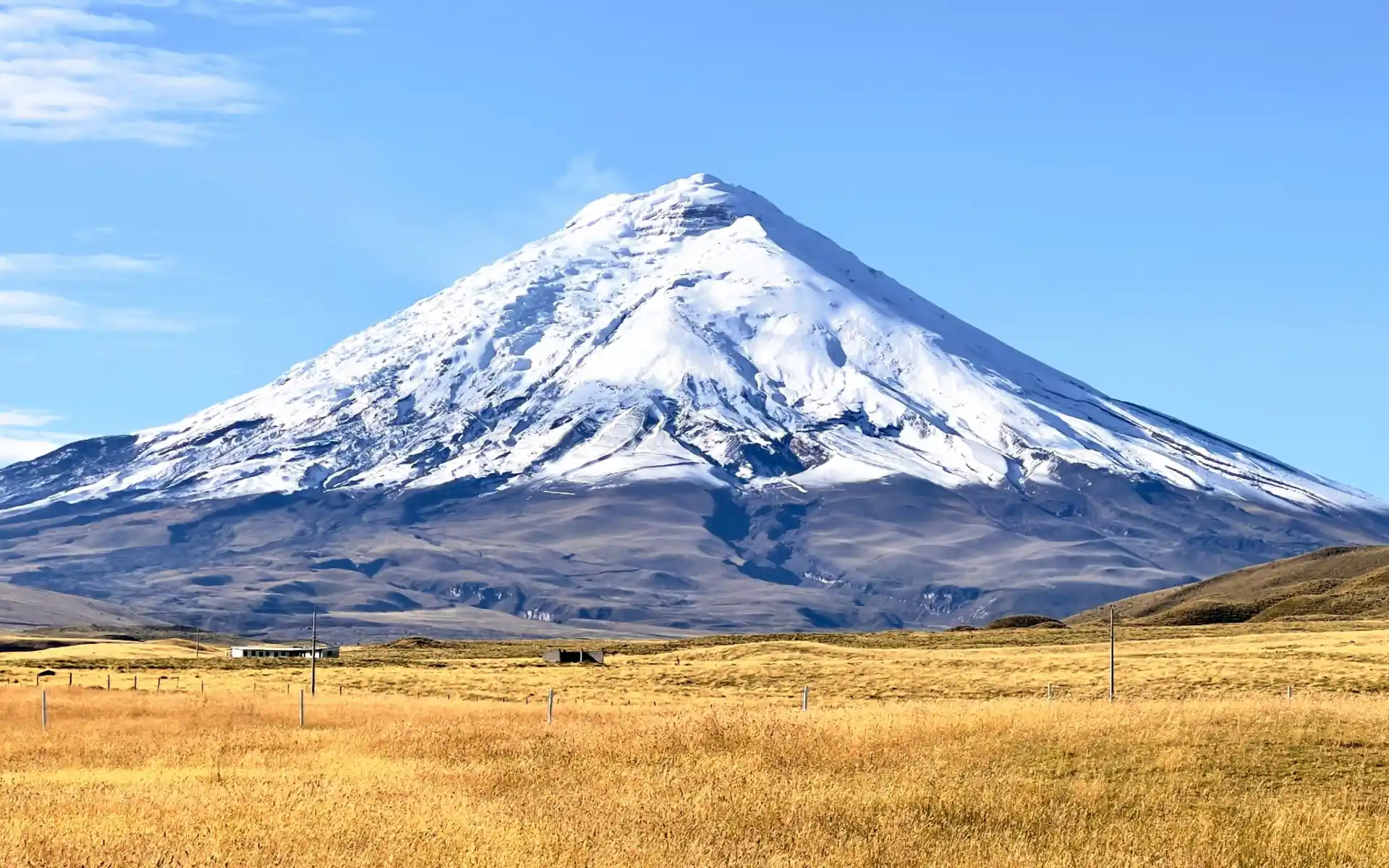
Ecuador packs incredible diversity into a compact country, making it perfect for travelers who want to experience multiple ecosystems without spending days in transit. It's also one of South America's most budget-friendly countries, especially since it uses the US dollar—no confusing exchange rates or currency concerns.
From Quito's colonial architecture to the otherworldly Galápagos Islands, cloud forests, Amazon jungle, and Pacific beaches, Ecuador offers something for every type of traveler. The country's small size means you can hit multiple highlights in a week or two, keeping transportation costs low.
Highlights:
- Quito's historic center (UNESCO World Heritage Site)
- Galápagos Islands (will increase your budget. Pricey but worth it.)
- Cuenca's colonial charm
- Amazon rainforest (Eastern Ecuador)
- Otavalo Indigenous market
- Baños adventure sports hub
- Coastal beaches (Montañita, Puerto López)
Main airports:
- Mariscal Sucre International Airport (UIO) in Quito
- José Joaquín de Olmedo International Airport (GYE) in Guayaquil
Extras: No visa required for US citizens for stays up to 90 days. Using US dollars simplifies budgeting but means higher prices than neighboring countries. Note that visiting the Galápagos can significantly increase costs, with organized tours starting around $1,000+ per week.
Average daily budget: $30–$40 (excluding Galápagos)
- Accommodation: $10–$18 (hostels) to $25–$40 (budget hotels)
- Meals: $3–$6 per meal at local restaurants; $1.50–$3 for street food
- Local transport: $0.25–$0.50 for city buses; $2–$5 for taxis
Currency: US Dollar (USD)
Exchange rate: N/A
Recent Going deals:
- Fort Lauderdale to Guayaquil for $199 roundtrip
- Boston to Guayaquil for $264 roundtrip
- Miami to Quito for $279 roundtrip
4. Colombia
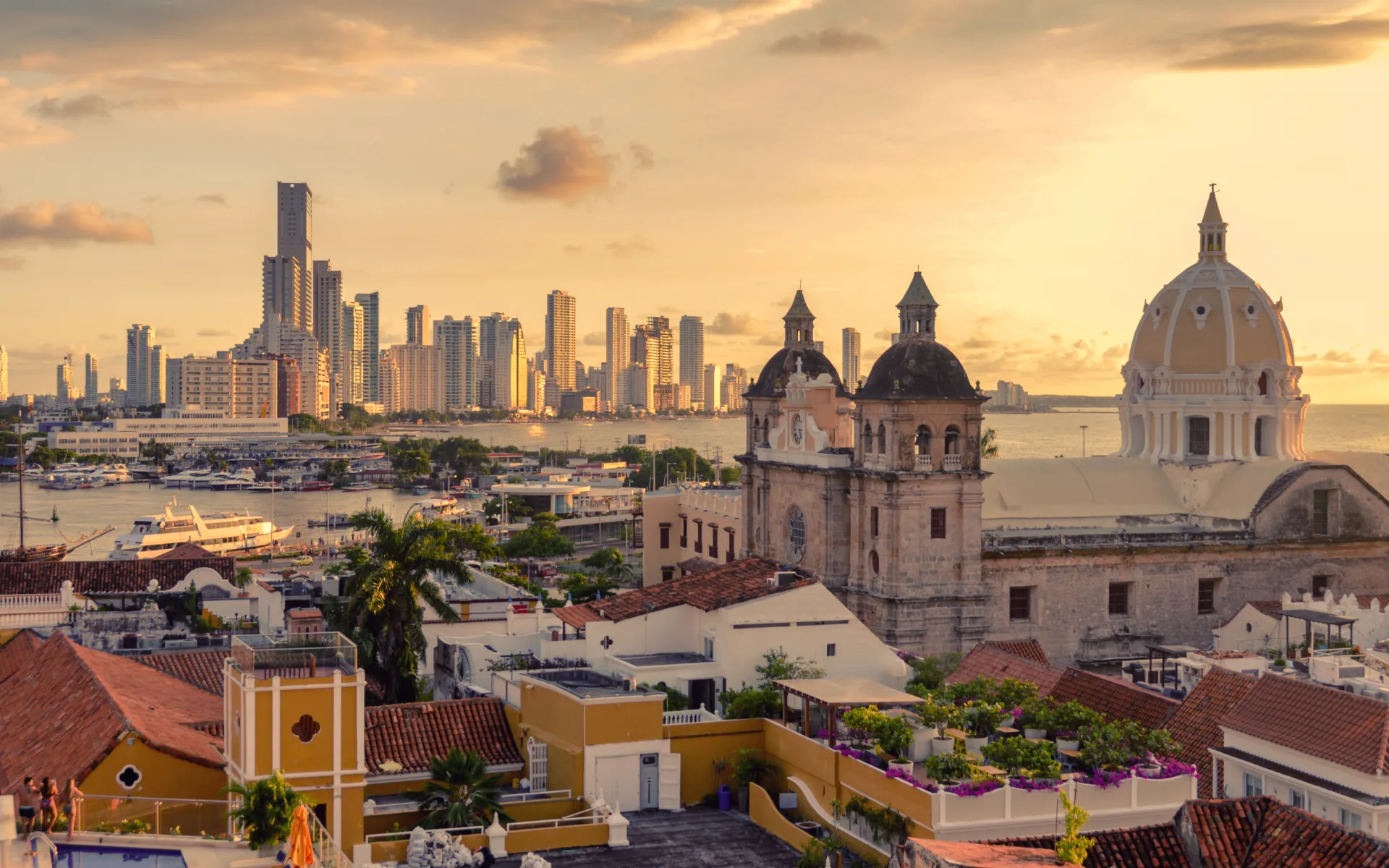
Colombia has undergone a remarkable transformation over the past two decades, emerging as one of South America's most exciting destinations. While slightly more expensive than Peru or Bolivia, it still offers incredible value—especially when you factor in the warmth of Colombian hospitality, world-class coffee, and vibrant culture.
From Cartagena's walled colonial city to Medellín's innovative urban transformation, Bogotá's cultural scene, and the coffee region's rolling hills, Colombia delivers diverse experiences without the tourist markup found in similar destinations. The country's safety and infrastructure make it increasingly accessible to all types of travelers.
Highlights:
- Cartagena's historic walled city
- Medellín and its cable cars
- Bogotá's museums and street art
- Coffee region (Eje Cafetero)
- Tayrona National Park beaches
- Salento and Valle de Cocora
- San Gil adventure sports
Main airports:
- El Dorado International Airport (BOG) in Bogotá
- José María Córdova International Airport (MDE) near Medellín
- Rafael Núñez International Airport (CTG) in Cartagena
Extras: No visa required for US citizens for stays up to 90 days. Colombia's diverse geography means varied climates—pack accordingly. Spanish is essential, as English isn't widely spoken outside major tourist areas.
Average daily budget: $35–$50
- Accommodation: $12–$22 (hostels) to $30–$50 (budget hotels)
- Meals: $4–$8 per meal at local restaurants; $2–$4 for street food
- Local transport: $0.50–$1 for city buses; $3–$8 for taxis/Uber
Currency: Colombian Peso (COP)
Exchange rate: ~4,000 COP = $1 USD
Recent Going deals:
- Fort Lauderdale to Cartagena for $218 roundtrip
- Raleigh to Medellín for $221 roundtrip
- Austin to Bogotá for $285 roundtrip
Learn more about Colombia:
5. Paraguay
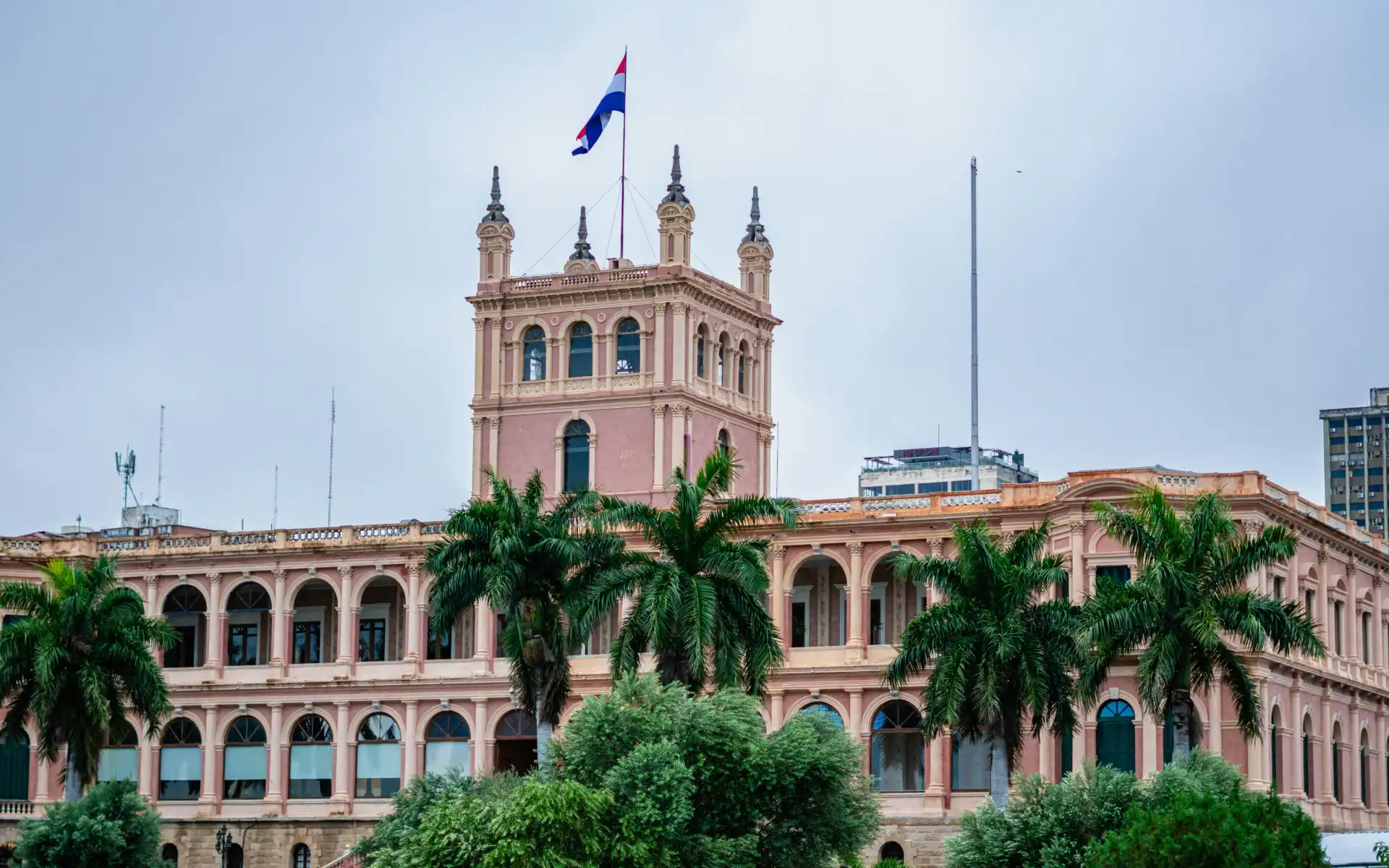
Paraguay is a hidden gem of South America—and one of its cheapest destinations. This landlocked country sees far fewer tourists than its neighbors, which means authentic experiences, friendly locals, and prices that haven't been inflated by tourism. While it lacks the dramatic Andean peaks or Caribbean beaches of other South American countries, Paraguay offers colonial architecture, Jesuit ruins, and access to unique wildlife in the Pantanal wetlands.
Budget travelers who venture here are rewarded with genuine cultural encounters. It's perfect for travelers seeking to go beyond the typical tourist trail.
Highlights:
- Asunción's waterfront and colonial architecture
- Jesuit Missions of La Santísima Trinidad de Paraná (UNESCO site)
- Encarnación's carnival (pre-Lenten celebrations)
- Iguazú Falls (from the lesser-visited Paraguayan side)
- Pantanal wetlands
Main airports:
- Silvio Pettirossi International Airport (ASU) in Asunción
Extras: No visa required for US citizens for stays up to 90 days. Spanish and Guaraní are both official languages. Paraguay's tourism infrastructure is less developed, so expect fewer English speakers and tourist-oriented services—but also more authentic experiences.
Average daily budget: $25–$35
- Accommodation: $8–$15 (hostels) to $20–$35 (budget hotels)
- Meals: $3–$6 per meal at local restaurants; $1–$2.50 for street food
- Local transport: $0.30–$0.60 for city buses; $3–$6 for taxis
Currency: Paraguayan Guaraní (PYG)
Exchange rate: ~7,200 PYG = $1 USD
6. Argentina
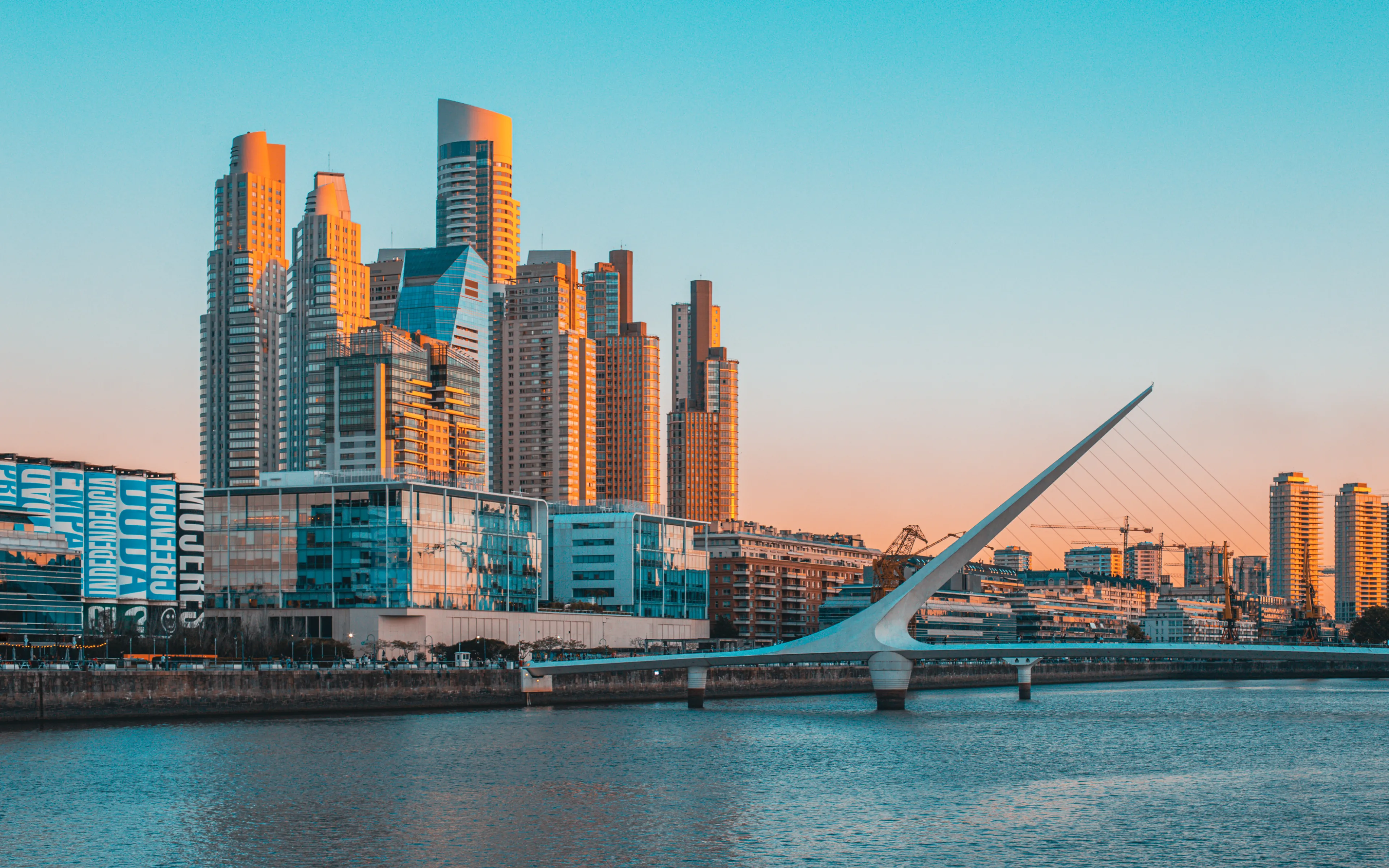
Argentina offers a fascinating paradox: It's one of South America's more expensive countries, yet it’s still remarkably affordable by US standards. The peso's volatility means prices fluctuate, but travelers who understand the currency situation can stretch their dollars significantly.
Buenos Aires' European-style elegance, Patagonia's rugged wilderness, Mendoza's wine country, and Iguazú Falls' thundering power all contribute to Argentina being a world-class destination. The country's beef, wine, and empanadas alone are worth the trip, and its diverse landscapes span from subtropical north to glacial south.
Highlights:
- Buenos Aires' tango, steak, and architecture
- Iguazú Falls (one of the world's largest waterfall systems)
- Mendoza wine region
- Patagonia (El Chaltén, El Calafate, Ushuaia)
- Salta and northwestern wine country
- Peninsula Valdés whale watching
- Córdoba's colonial architecture
Main airports:
- Ministro Pistarini International Airport (EZE) in Buenos Aires
- Aeroparque Jorge Newbery (AEP) for domestic flights in Buenos Aires
Extras: No visa required for US citizens for stays up to 90 days. Argentina's size means long travel times between destinations—budget for domestic flights or long-distance buses.
Average daily budget: $40–$60
- Accommodation: $15–$25 (hostels) to $35–$60 (budget hotels)
- Meals: $6–$12 per meal at local restaurants; $3–$5 for empanadas/street food
- Local transport: $0.40–$1 for city buses; $4–$8 for taxis/Uber
Currency: Argentine Peso (ARS)
Exchange rate: Highly volatile; check current rates before travel
Recent Going deals:
- Austin to Buenos Aires for $487 roundtrip
- Miami to Cordoba for $563 roundtrip
- Los Angeles to Buenos Aires for $593 roundtrip
Learn more about Argentina:
7. Chile
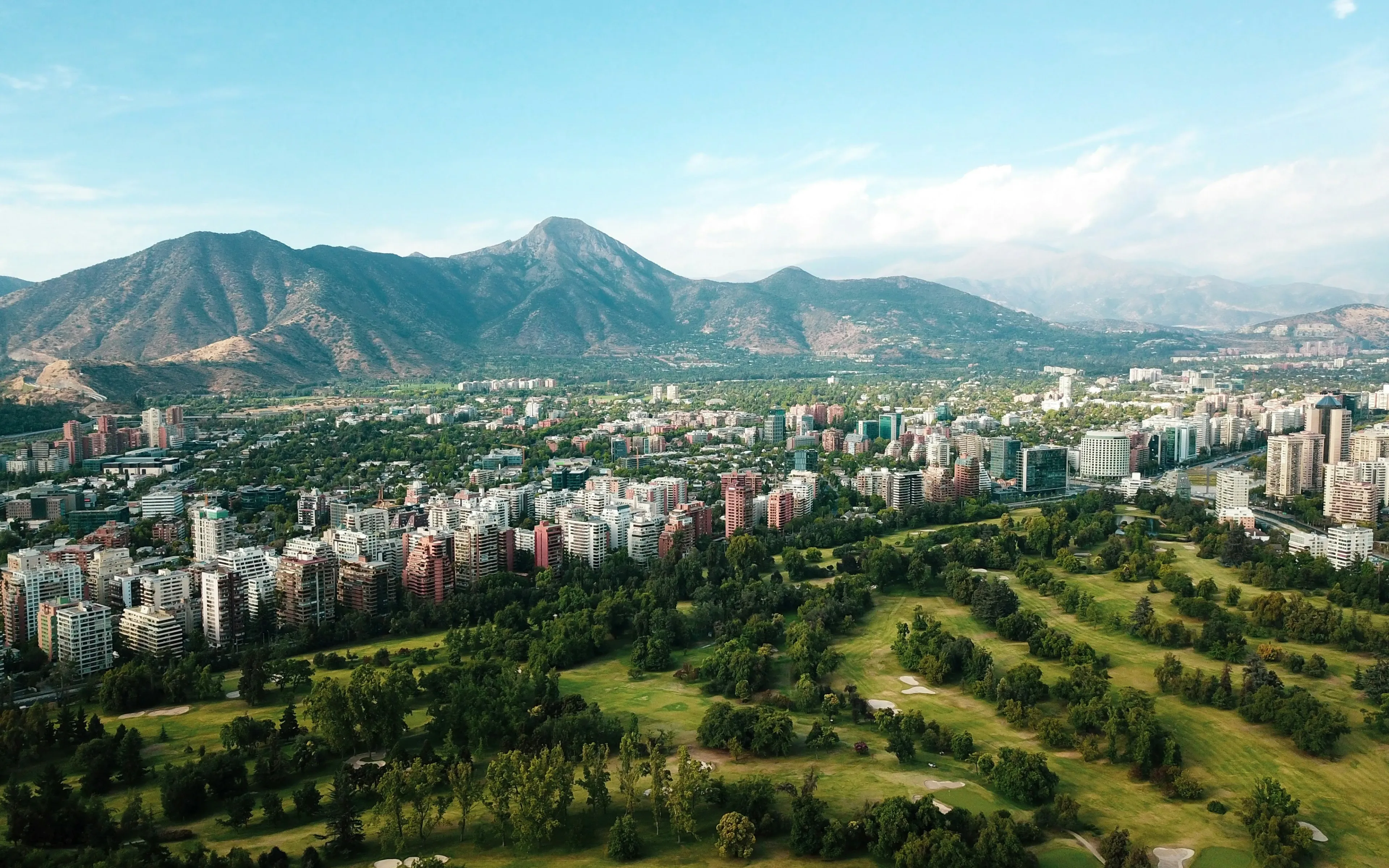
Chile stretches from the driest desert on Earth to windswept Patagonian glaciers, offering mind-blowing geography along a 2,670-mile ribbon of land. While it's one of South America's most expensive countries, alongside Brazil, it still offers good value compared to the US or Europe—especially outside Santiago.
Chile's appeal lies in its extremes: the Atacama Desert's otherworldly landscapes, Santiago's cosmopolitan energy, Patagonia's Torres del Paine, and the mystery of Easter Island. The country's modern infrastructure and safety make it appealing for first-time South America travelers, even if it costs a bit more than nearby countries.
Highlights:
- Torres del Paine National Park (Patagonia)
- Atacama Desert (San Pedro de Atacama)
- Santiago's urban culture and nearby wine valleys
- Valparaíso's bohemian hillside neighborhoods
- Easter Island (Rapa Nui)
- Lake District (Puerto Varas, Pucón)
- Carretera Austral road trip
Main airports:
- Arturo Merino Benítez International Airport (SCL) in Santiago
- El Loa Airport (CJC) in Calama (for Atacama Desert)
Extras: No visa required for US citizens for stays up to 90 days. Chile uses a distinctive electrical plug (Type L), so bring adapters. Patagonia and Easter Island significantly increase costs but remain bucket-list worthy. Southern Chile (Patagonia) is best visited December–March.
Average daily budget: $50–$70
- Accommodation: $18–$30 (hostels) to $40–$70 (budget hotels)
- Meals: $8–$15 per meal at local restaurants; $4–$7 for street food
- Local transport: $1–$1.50 for city buses/metro; $5–$10 for taxis/Uber
Currency: Chilean Peso (CLP)
Exchange rate: ~900 CLP = $1 USD
Recent Going deals:
- Tampa to Santiago for $362 roundtrip
- San Francisco to Santiago for $402 roundtrip
- Boston to Santiago for $494 roundtrip
Learn more about Chile:
8. Brazil
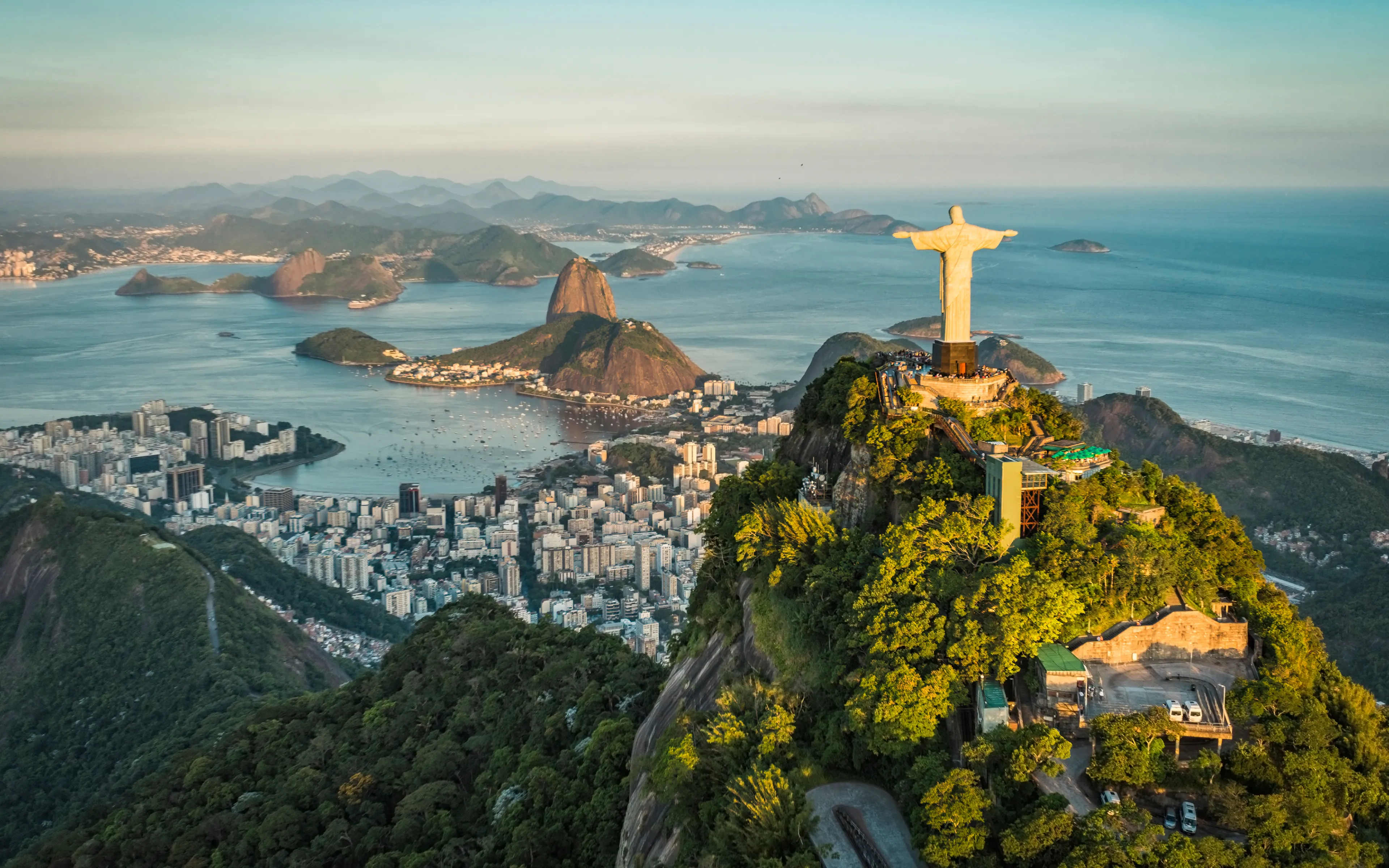
Brazil is massive, diverse, and endlessly captivating. While it's typically more expensive than neighboring countries, it offers unparalleled energy and cultural richness. From Rio's beaches and Carnival to the Amazon rainforest, Salvador's Afro-Brazilian culture, and São Paulo's urban sophistication, Brazil delivers experiences you simply can't find elsewhere.
Smart travelers can still find value by staying in reputable hostels, eating at per-kilo restaurants, and timing visits outside peak seasons (Christmas, Carnival, and June/July winter holidays).
Highlights:
- Rio de Janeiro (beaches, Christ the Redeemer, Carnival)
- Amazon rainforest (Manaus gateway)
- Salvador da Bahia's colonial center
- São Paulo's art and food scenes
- Iguazú Falls (Brazilian side)
- Pantanal wetlands
- Fernando de Noronha beaches
- Florianópolis beaches
Main airports:
- Guarulhos International Airport (GRU) in São Paulo
- Galeão International Airport (GIG) in Rio de Janeiro
- Brasília International Airport (BSB) in the capital
Extras: US citizens need a visa for Brazil ($80–$160, valid 10 years). Portuguese is the official language—Spanish helps but isn’t foolproof. Brazil's enormous size means domestic flights are often necessary. Time visits carefully around Carnival (February/March), when prices skyrocket.
Average daily budget: $50–75
- Accommodation: $20–35 (hostels) to $45–80 (budget hotels)
- Meals: $8–15 per meal at restaurants; $5–8 for street food
- Local transport: $1–1.50 for city buses/metro; $5–12 for taxis/Uber
Currency: Brazilian Real (BRL)
Exchange rate: ~5 BRL = $1 USD
Recent Going deals:
- Atlanta to São Paulo for $287 roundtrip
- Chicago to Belo Horizonte for $358 roundtrip
- Tampa to Rio de Janeiro for $368 roundtrip
Learn more about Brazil:
Best destinations by type of traveler
For couples
- Bolivia's Salar de Uyuni offers surreal salt flat sunsets perfect for romantic moments.
- Argentina's Buenos Aires delivers tango, steakhouses, and European elegance.
- Colombia's Cartagena combines Caribbean beaches with colonial charm.
For families
- Ecuador's compact size makes it ideal for families—kids won't spend days in transit.
- Peru's Cusco region keeps children engaged with train rides to Machu Picchu and interactive museums.
- Argentina's Buenos Aires offers parks and family-friendly neighborhoods.
For adventure seekers
- Bolivia's Death Road mountain biking and Peru's Inca Trail trekking rank among South America's classic adventures.
- Colombia's San Gil provides white-water rafting and paragliding.
- Chile's Torres del Paine offers world-class Patagonian hiking.
For urban explorers
- Buenos Aires, Argentina feels like Paris with a Latin soul.
- Lima, Peru has emerged as a culinary capital.
- Medellín, Colombia showcases urban innovation with metro cable cars and revitalized neighborhoods.
For nature lovers and backpackers
- Bolivia emerges as the backpacker capital for budget-conscious nature lovers.
- Brazil’s Amazon offers jungle experiences at various price points.
- Patagonia delivers rugged wilderness for serious outdoor enthusiasts.
Why South America is a budget-friendly destination
South America packs more diversity per dollar than almost anywhere on Earth. Ancient civilizations, colonial architecture, Indigenous markets, pristine beaches, cloud forests, and alpine peaks all exist within countries where your money stretches significantly further than in North America or Europe.
Even the continent's most expensive countries cost considerably less than other Western destinations. A $20 meal in New York runs $5–$8 in most South American countries. Comfortable accommodation costs $20–$40 versus $80–$150 in Europe. Intercity buses offer overnight travel for $20–$40, saving both transportation and accommodation costs.
The cultural richness—blending Indigenous, European, African, and Asian influences—doesn't come with premium pricing. Budget airlines like LATAM and Avianca connect major cities affordably, while local transportation rarely exceeds $1.50 per ride.
Tips for traveling cheaply in South America
Best times to visit
Visit during shoulder seasons (March–May and September–November) for the best weather-to-price ratio. Eat where locals eat—markets and food courts offer meals for $1–$3 versus $8–$15 at tourist spots. Book overnight buses to save on accommodation while maximizing daytime adventures.
Accommodation alternatives
Stay in hostels with private rooms ($10–$20) instead of hotels. Learn basic Spanish to pay local prices and avoid tourist markups. Use official taxis or Uber rather than hailing cabs on the street for safety.
General safety tips and health precautions
Consider what travel insurance you already have through existing memberships. If you’re heading out into nature for some adventure, also consider additional travel insurance with medical evacuation coverage. Get yellow fever vaccination for Amazon regions, and ascend slowly in the Andes to avoid altitude sickness. Stick to bottled water in Bolivia, Peru, and Ecuador.
Money-saving travel hacks
Eat where locals eat—tourist restaurants charge two to three times local prices. Markets and food courts (called "mercados" or "patios de comida") offer authentic meals at rock-bottom prices.
Book long-distance buses overnight—you'll save on accommodation and maximize daytime for activities. Take advantage of free walking tours in major cities (tip your guide fairly). Buy entrance tickets to multiple sites as packages for discounts.
Learn basic Spanish—you'll pay local prices rather than tourist markups, get better service, and avoid scams. Bargain at markets (except supermarkets and established shops). Use local SIM cards instead of international roaming.
Regarding flights, that's where Going comes in. Our Premium members receive alerts about mistake fares, flash sales, and unadvertised discounts to South America and other international destinations—saving on average $550 per international ticket.

Frequently asked questions
What is the cheapest but safest country to visit?
What is the safest South American country to visit?
Where is the cheapest place to vacation?
Last updated February 6, 2026
Articles you might like
View All