Unique Places To Visit in Europe (That Actually Live Up to the Hype)


)


April 1, 2026
8 min read
Table of Contents
Europe has no shortage of bucket-list destinations: Paris, Rome, Barcelona, Amsterdam. They're famous for a reason, and honestly, worth every visit. But if you've already checked off the classics, or you're simply the kind of traveler who loves to go where the crowds haven't descended yet, Europe has a whole other layer waiting for you.
From medieval walled cities tucked along the Adriatic to volcanic islands rising out of the Atlantic, these are the coolest places to visit in Europe that actually live up to the hype. The underrated gems, the unusual things to do, the best places to visit in Eastern Europe and beyond that most travelers walk right past. Whether you're planning your first trip or your tenth, this guide is your starting point for experiences that go beyond the obvious.
Key takeaways
- The Balkans (Montenegro, North Macedonia, and Bosnia and Herzegovina) are among the coolest, most underrated places to visit in Europe, offering dramatic scenery and history at a fraction of the cost of Western Europe.
- Europe's islands aren't just Greece and Italy. The Faroe Islands, the Azores, and Croatia's Vis Island are among the most breathtaking and least crowded unique places in Europe.
- Cities like Ghent, Ljubljana, and Porto deliver all the charm of their more famous neighbors without the overwhelming tourist traffic. These are some of the greatest places to visit in Europe with kids, as couples, or solo.
- Natural wonders like Plitvice Lakes, the Isle of Skye, and the Dolomites are best enjoyed with a little planning and a willingness to go slightly off-peak.
- Europe's cultural calendar is packed with unusual things to do that rarely make the mainstream travel guides, from Viking fire festivals in Scotland to truffle hunts in Umbria.
Cool places to visit in Europe: Balkans edition
The Balkans are one of Europe's best-kept secrets, though word is getting out fast. This corner of southeastern Europe blends Ottoman history, Byzantine churches, turquoise waters, and some of the warmest hospitality you'll find anywhere on the continent. Best of all, your dollar goes a lot further than in Western Europe.
Kotor, Montenegro
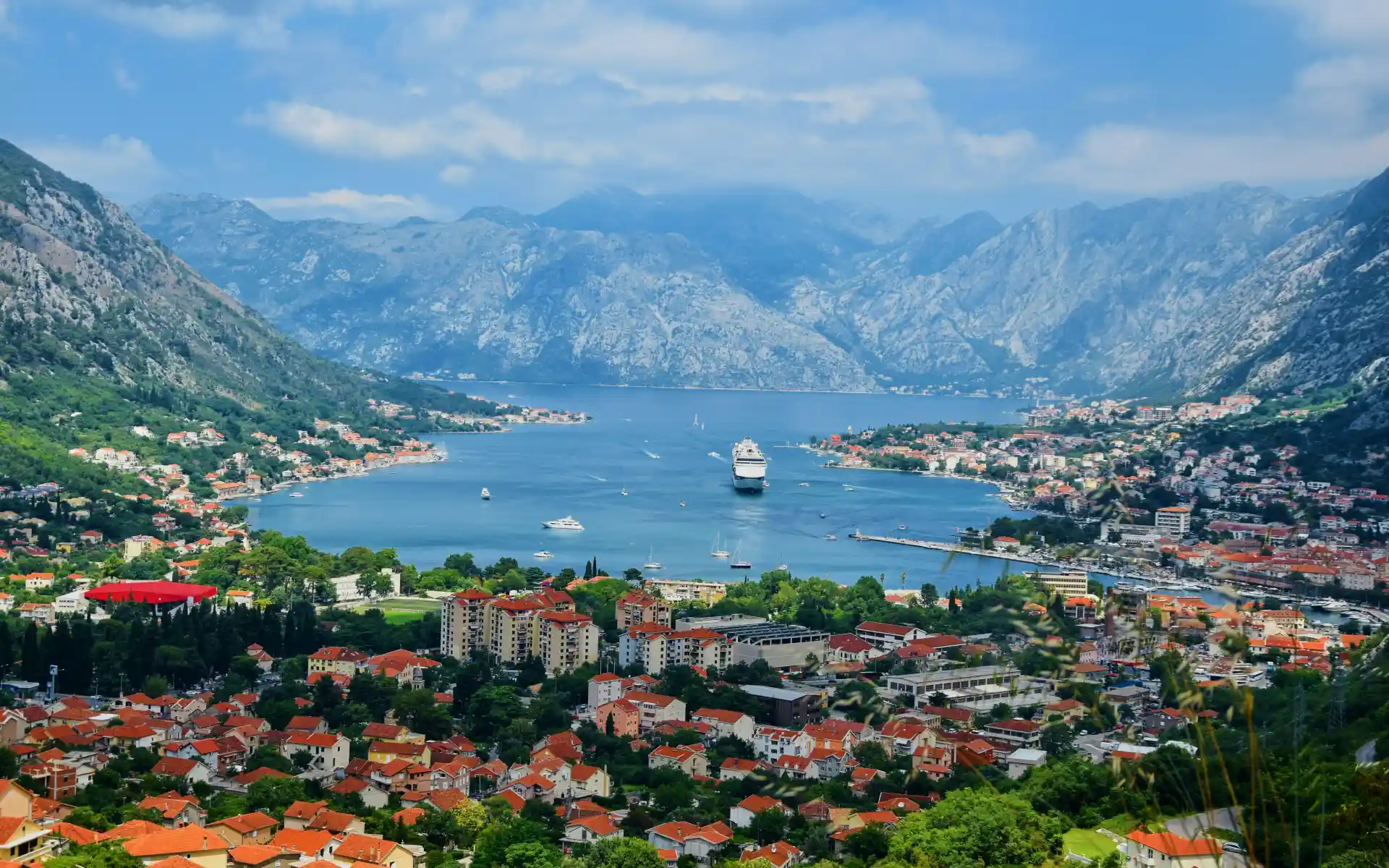
Squeezed between dramatic limestone mountains and the glittering Bay of Kotor, this fortified medieval city looks like something out of a fantasy novel. The Old Town is a UNESCO World Heritage site, a labyrinth of cobblestone streets, Venetian palaces, and tiny squares where cats allegedly outnumber tourists (at least outside of peak summer). Hike up to the fortress above the city, and the views alone will make the trip worth it.
- Main attractions: Kotor Old Town (UNESCO), St. Tryphon Cathedral, the fortress walls hike, Bay of Kotor boat trips, Perast village day trip
- Main airport and how to get there: Tivat Airport (TIV) is the closest, about 8 miles away. Podgorica Airport (TGD) is about 55 miles away and has more international connections. From either, a taxi or shuttle to Kotor takes under an hour.
- Best time to visit: May–June or September–October for pleasant weather and fewer crowds. July and August are peak seasons, beautiful but busy.
- Budget: $$. Montenegro is affordable by European standards. Expect to spend $80–$150/day including accommodation, food, and activities.
- Best for: Couples and history lovers. Solo travelers will also find it very walkable and welcoming.
- Average Going deal: $532 roundtrip
Ohrid, North Macedonia
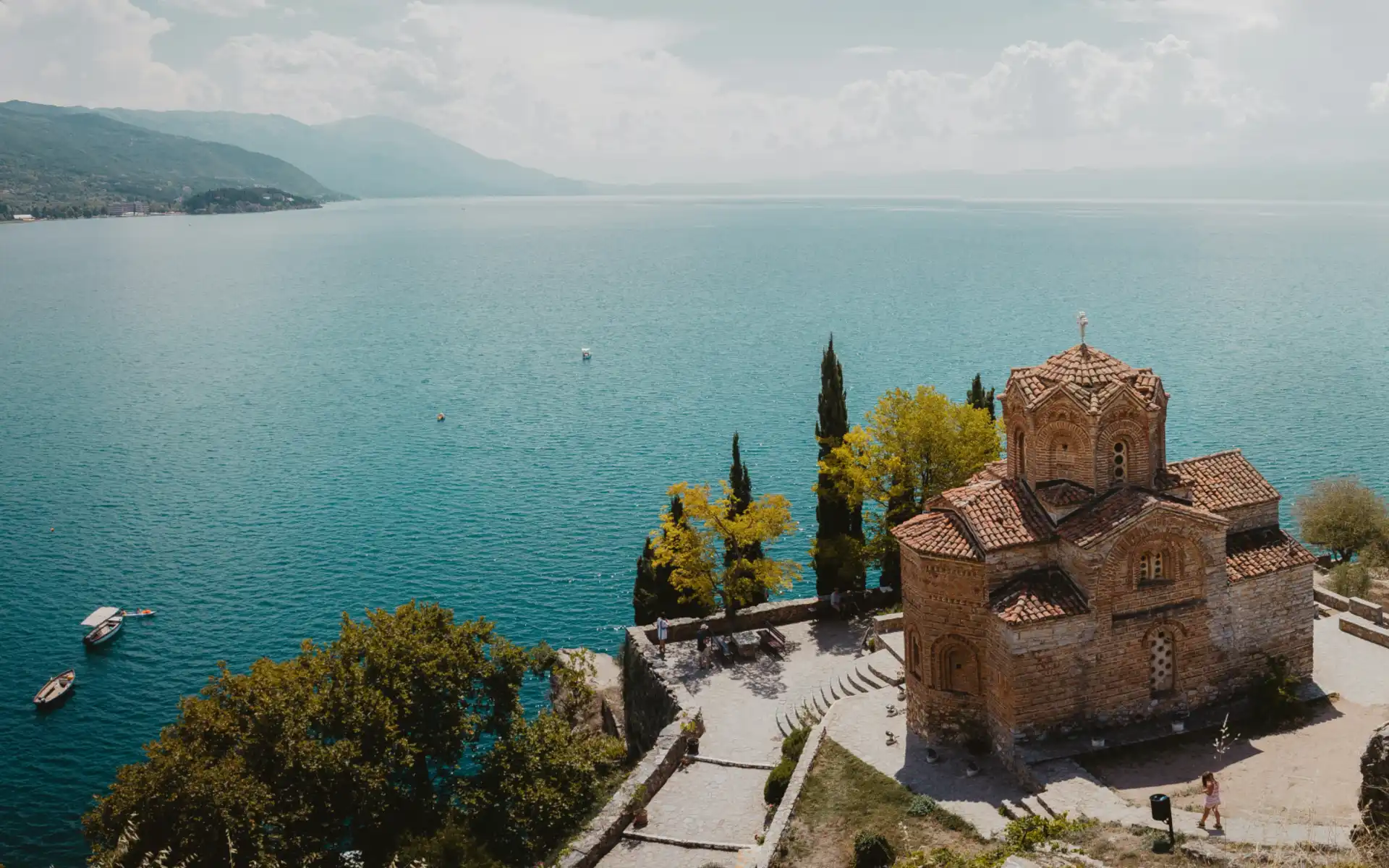
Sitting on the shores of one of Europe's oldest and deepest lakes, Ohrid is a gem that most American travelers have never even heard of. The town is home to over 365 churches (one for every day of the year, locals will tell you), Byzantine frescoes, a Roman amphitheater, and crystal-clear water that turns every shade of blue depending on the light. It's charming, unhurried, and really affordable.
- Main attractions: Lake Ohrid, Church of St. John at Kaneo (the most photographed spot in the country), Samuel's Fortress, the Old Bazaar, boat tours on the lake
- Main airport and how to get there: Ohrid Airport (OHD) has seasonal flights from several European cities. Alternatively, fly into Skopje Airport (SKP) and take a three-hour bus or taxi.
- Best time to visit: June–September for warm lake swimming. July and August bring a lively summer festival season.
- Budget range: $. One of the most affordable destinations in Europe. $50–$80/day is very comfortable.
- Best for: Budget travelers, couples, and anyone who loves lakeside towns with a serious side of history.
- Average Going deal: $450 roundtrip
Mostar, Bosnia and Herzegovina
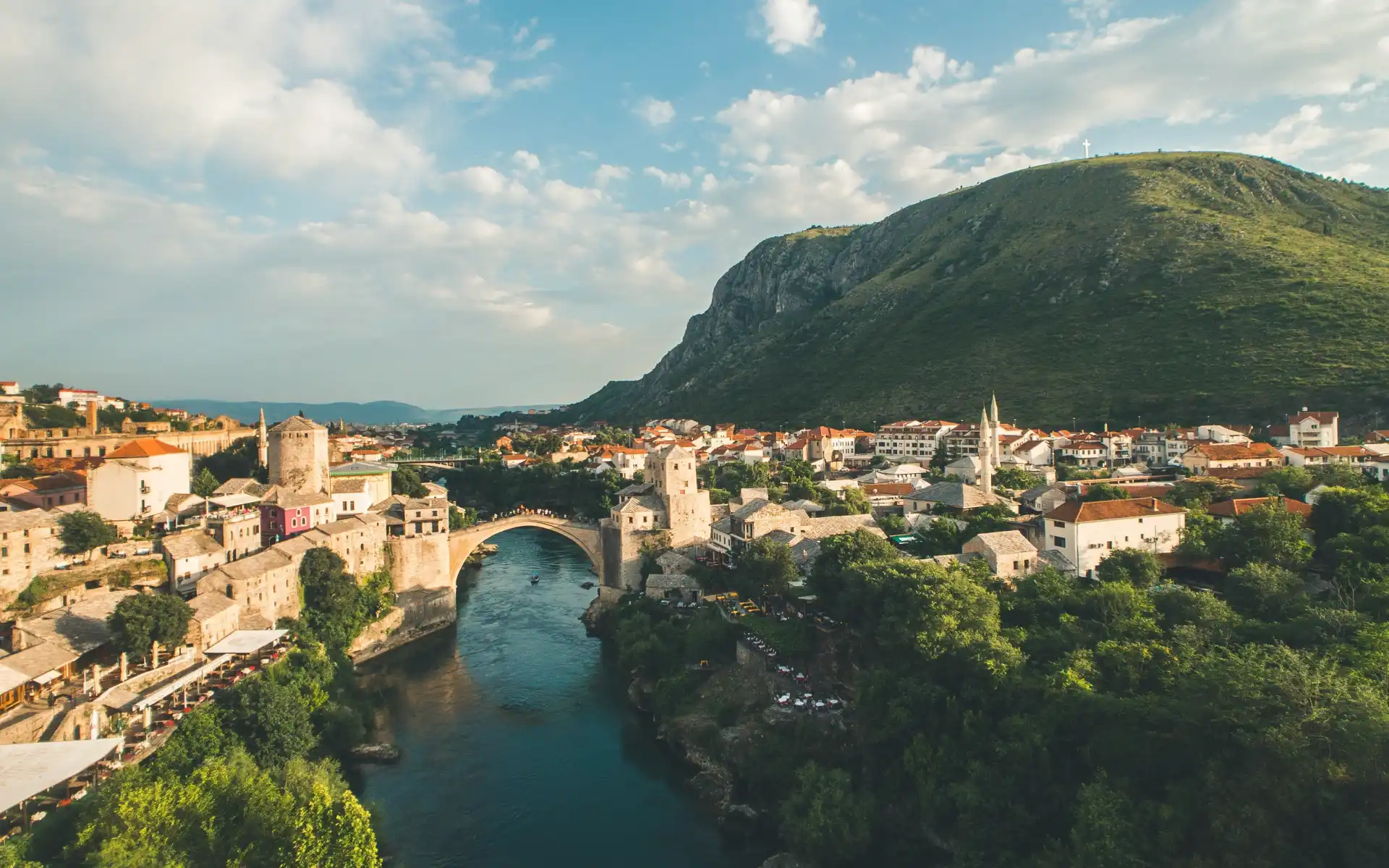
Stari Most—the 16th-century Ottoman bridge arching over the emerald Neretva River—is one of the most iconic images in all of the Balkans. Mostar is a city of plenty: mosques and churches side by side, bazaars selling handcrafted copperware, and a story of resilience that gives every cobblestone a deeper weight. It's often visited as a day trip from Dubrovnik or Split, but staying overnight means you get the bridge (and the city) almost entirely to yourself.
- Main attractions: Stari Most bridge, Kujundžiluk bazaar, Koski Mehmed Pasha Mosque, Old Town, bridge divers
- Main airport and how to get there: The closest airport is Mostar Airport (OMO), with limited seasonal flights. Most travelers fly into Split (SPU) or Dubrovnik (DBV) in Croatia and take a 2–3 hour bus or organized transfer.
- Best time to visit: May–June or September for mild weather and manageable crowds. Avoid peak summer if you can. The Old Town gets very busy.
- Budget range: $. Extremely affordable. $50–$80/day covers accommodation, meals, and activities comfortably.
- Best for: History buffs, solo travelers, and couples. Great for a day trip or an overnight stay.
- Average Going deal: $559 roundtrip

Unique island escapes in Europe
When most people think of "European islands," their mind goes straight to Santorini or Capri. Sure, those are stunning, but they can also get packed, especially during peak season. Europe's less obvious islands offer wilder landscapes, fewer crowds, and the kind of quiet magic that's getting harder to find.
The Faroe Islands, Denmark

The Faroe Islands—18 volcanic islands jutting out of the North Atlantic, located halfway between Norway and Iceland—look like they were designed by someone who wanted to create the most dramatic landscape imaginable. Cliffs plunging into the sea, waterfalls spilling off the edge of the world, puffin colonies nesting on clifftops, and tiny grass-roofed villages. It's unlike anywhere else in Europe.
Packing tip: Weather in the Faroes changes fast. Like four-seasons-in-one-day fast. Pack layers even in summer, and always have a rain jacket within reach. That dramatic mist rolling in over the cliffs? It gets pretty cold.
- Main attractions: Múlafossur waterfall (Gásadalur), Lake Sørvágsvatn (the optical illusion lake), Vestmanna sea cliffs boat tour, the village of Gjógv, puffin watching
- Main airport and how to get there: Vágar Airport (FAE) is the only airport, with direct flights from Copenhagen, Reykjavík, and a handful of other European cities. From the US, you'll likely connect through Copenhagen.
- Best time to visit: June–August for the best weather and long daylight hours. May and September are quieter and still beautiful.
- Budget range: $$$. The Faroes are not cheap. Budget $150–$250+/day, especially for accommodation, which books up fast.
- Best for: Nature lovers, photographers, hikers, and anyone chasing landscapes they've never seen before.
- Average Going deal: $469 roundtrip
The Azores, Portugal

Nine volcanic islands in the middle of the Atlantic Ocean, the Azores are Portugal's contribution to island paradises and one of the most biodiverse places in the world. They include crater lakes ringed by hydrangeas, hot springs bubbling up from the ground, whale watching, surfing, and lush green valleys. São Miguel is the most visited island and a great starting point, but each island has its own distinct personality.
- Main attractions: Sete Cidades crater lake (São Miguel), Furnas hot springs and geysers (São Miguel), whale watching tours, canyoning, Flores Island's waterfalls and lagoons
- Main airport and how to get there: João Paulo II Airport (PDL) on São Miguel has direct transatlantic flights from Boston and New York, making it one of the easiest "off the beaten path" European destinations to reach from the US.
- Best time to visit: May–October. Summer is warm and ideal for whale watching. Spring brings stunning wildflowers.
- Budget range: $$. More affordable than mainland Portugal's tourist hotspots. Expect $100–$160/day.
- Best for: Outdoor adventurers, couples, nature lovers, and anyone who wants to combine relaxation with real exploration.
- Average Going deal: $510 roundtrip
Vis, Croatia
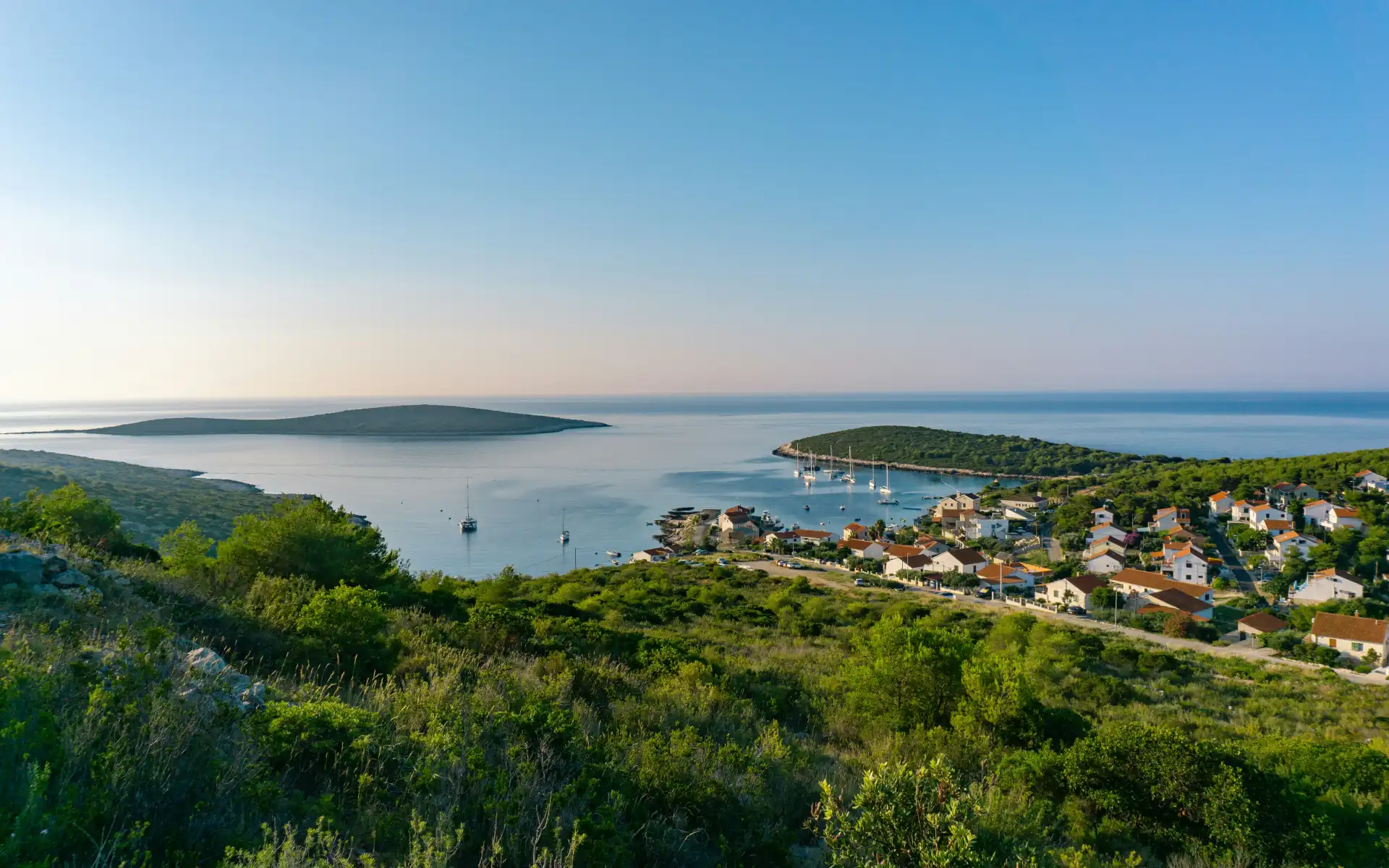
Croatia's Dalmatian Coast is well-loved, but most visitors stick to Dubrovnik, Split, and Hvar. Vis, a small island about two hours by ferry from Split, has been quietly earning a reputation as the most beautiful and lowkey of the bunch. The island was closed to foreign visitors until 1989 (it was a Yugoslav military base), which means it missed some of the mass-tourism wave that hit its neighbors. The result: picturesque bays, excellent wine and food, and a vibe that’s authentically coastal Croatian.
- Main attractions: Stiniva Bay (one of Europe's most beautiful beaches), Komiža fishing village, the Blue Cave (Modra špilja), local vugava wine tasting, boat trips to nearby Bisevo Island
- Main airport and how to get there: Fly into Split Airport (SPU), and take a catamaran or car ferry to Vis (about 2–2.5 hours). There's no airport on the island.
- Best time to visit: June or September, warm enough for swimming but with far fewer crowds than July and August.
- Budget range: $$–$$$. Croatia isn't as cheap as it once was, but Vis is still more affordable than Dubrovnik. Budget $120–$180/day.
- Best for: Couples, foodies, and travelers looking for the "real Croatia" away from the lively crowds.
- Average Going deal: $575 roundtrip
European cities worth the detour
These three cities have something in common: They're all close neighbors to some of Europe's most famous destinations. What’s better, they've also managed to maintain an identity that’s distinctly theirs.
Ghent, Belgium
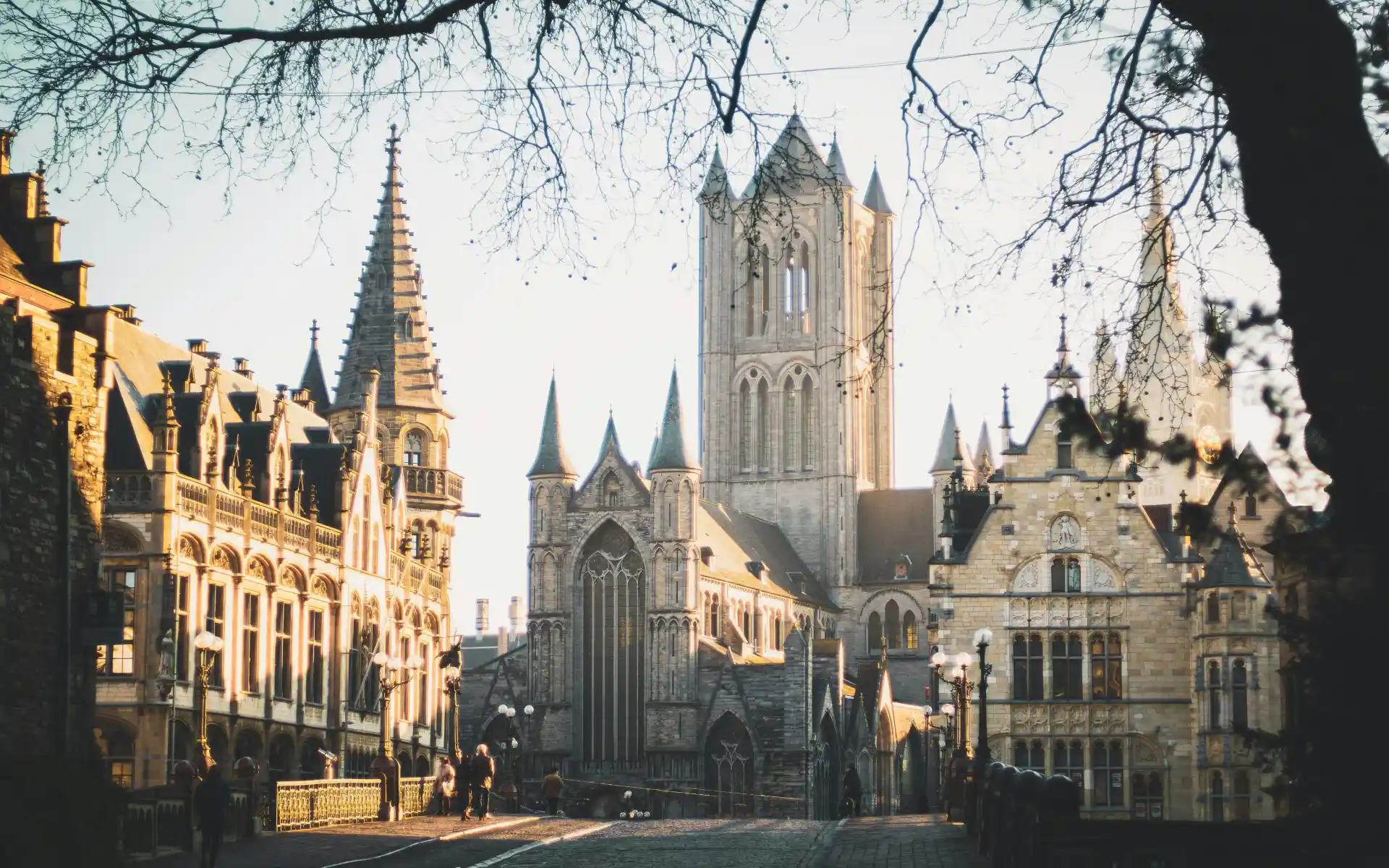
Most visitors to Belgium make a beeline for Bruges. Bruges is beautiful, we’ll give you that. But Ghent is what happens when you take a perfectly preserved medieval city and mix it with university life, a thriving food scene, and one of Europe's most electric street-art cultures. The Graslei waterfront, the Gravensteen castle rising right out of the city center, and a nightlife scene that runs until the early hours all make Ghent one of the most underrated cities in Europe.
- Main attractions: Graslei and Korenlei waterfront, Gravensteen Castle, the Ghent Altarpiece at St. Bavo's Cathedral, STAM city museum, Vrijdagmarkt square, street art in the Werregarenstraat alley
- Main airport and how to get there: Brussels Airport (BRU) is about 35 miles away. Brussels South Charleroi Airport (CRL) is also an option. The train from Brussels to Ghent takes around 30 minutes and runs frequently.
- Best time to visit: April–June and September–October. The Ghent Festival (Gentse Feesten) in late July is one of Europe's biggest free street festivals — incredible, but very crowded.
- Budget range: $$ — More affordable than Brussels or Bruges for accommodation. Budget $120–$180/day.
- Best for: Couples, solo travelers, culture lovers, and foodies.
- Average Going deal: $518 roundtrip
Ljubljana, Slovenia
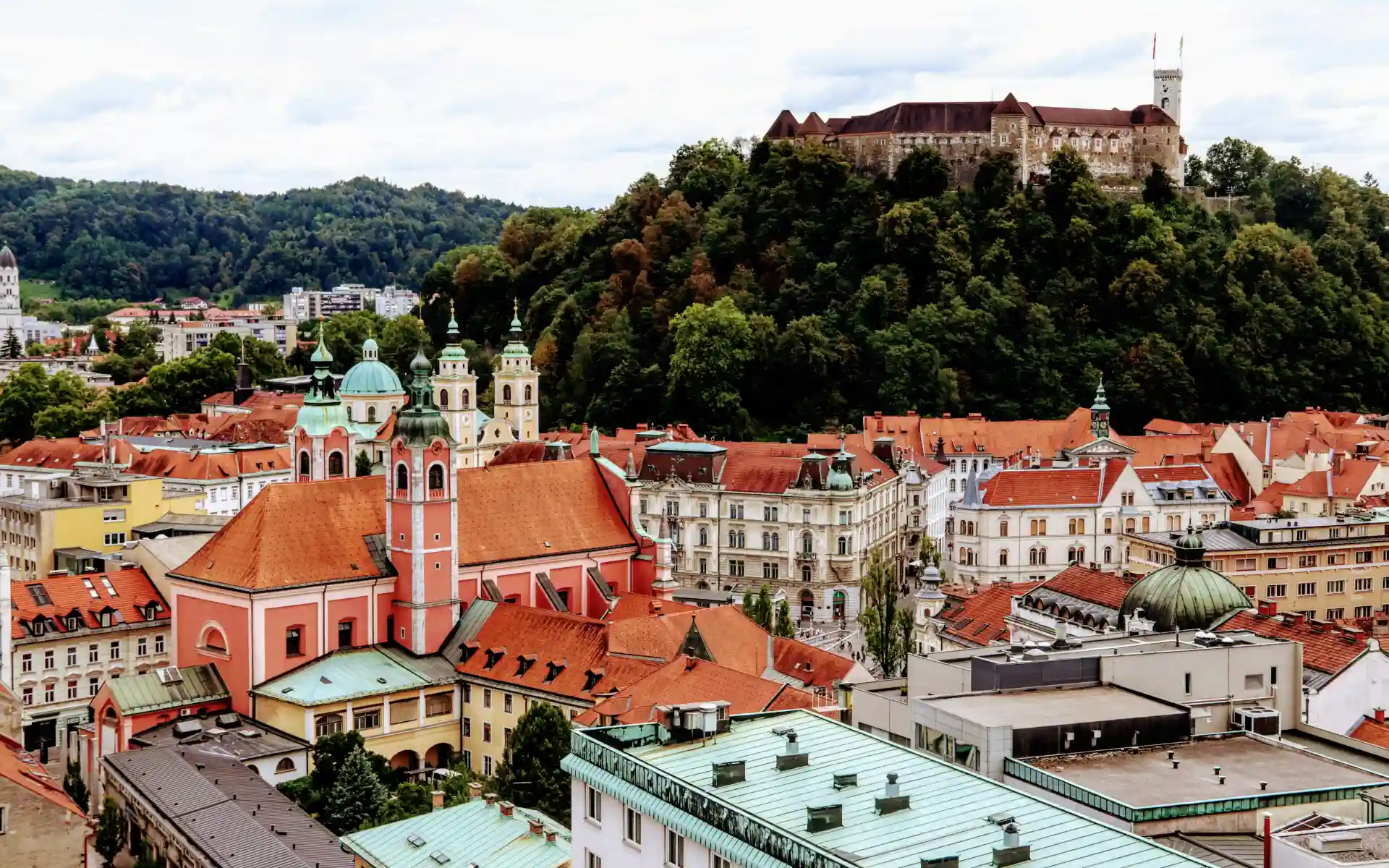
It’s common for travelers to stop in Slovenia's capital on the way to Lake Bled or the Slovenian coast, then immediately wish they'd planned to stay longer. The old town is compact and walkable, with a castle perched above it, a river running through it, and a pedestrianized center lined with cafes that beg you to linger for another coffee. Ljubljana is relaxed, clean, and green, and it makes a great base for exploring one of Europe's most overlooked countries.
- Main attractions: Ljubljana Castle, Triple Bridge (Tromostovje), Prešeren Square, Central Market, day trips to Lake Bled and Postojna Cave
- Main airport and how to get there: Ljubljana Jože Pučnik Airport (LJU) is about 15 miles from the city center, with connections through several European hubs. Budget airlines including Ryanair and Wizz Air serve it well.
- Best time to visit: May–September. Summer is warm and ideal for combining the city with outdoor adventures around the country.
- Budget range: $$. Affordable by Western European standards. $100–$160/day will cover it.
- Best for: All types of travelers. Families, couples, solo adventurers.
- Average Going deal: Limited Going data available
Porto, Portugal

Lisbon gets all the headlines, but ask anyone who's visited Porto and they'll tell you the city stole their heart. Built on steep hillsides tumbling down to the Douro River, Porto has azulejo tile facades, baroque churches, port wine cellars, and some of the best seafood you'll eat anywhere in Europe. It's gritty and beautiful at the same time, and it has a creative energy—in its food scene, bookshops, and music—that feels completely its own.
- Main attractions: Ribeira waterfront district, port wine lodges in Vila Nova de Gaia, Livraria Lello bookshop, Igreja do Carmo azulejo tiles, Foz do Douro at sunset, day trip along the Douro Valley
- Main airport and how to get there: Francisco Sá Carneiro Airport (OPO) is about six miles from the city center, with direct flights from several US cities and excellent connections across Europe. Metro line E takes you directly to the city in about 35 minutes.
- Best time to visit: March–May or September–November for mild weather and fewer crowds. Summer is lovely but increasingly busy.
- Budget range: $$. Still more affordable than Lisbon. Budget $100–$160/day.
- Best for: Foodies, couples, culture lovers, and anyone who appreciates a city that rewards slow exploration.
- Average Going deal: $549 roundtrip
Quieter natural wonders in Europe to escape big cities
Nowhere in Europe (or really the world) is truly hidden. Plitvice Lakes, the Dolomites, the Isle of Skye: They've all had their moment in the spotlight (ahem, or on social media), and they all see their fair share of visitors, especially in summer.
However, they're not the kind of places where crowds cancel out the experience. With a little planning—and a willingness to arrive early, go slightly off-peak, or wander even ten minutes off the main trail (responsibly, of course)—you can experience these natural wonders in a way that feels calm and serene.
Plitvice Lakes National Park, Croatia
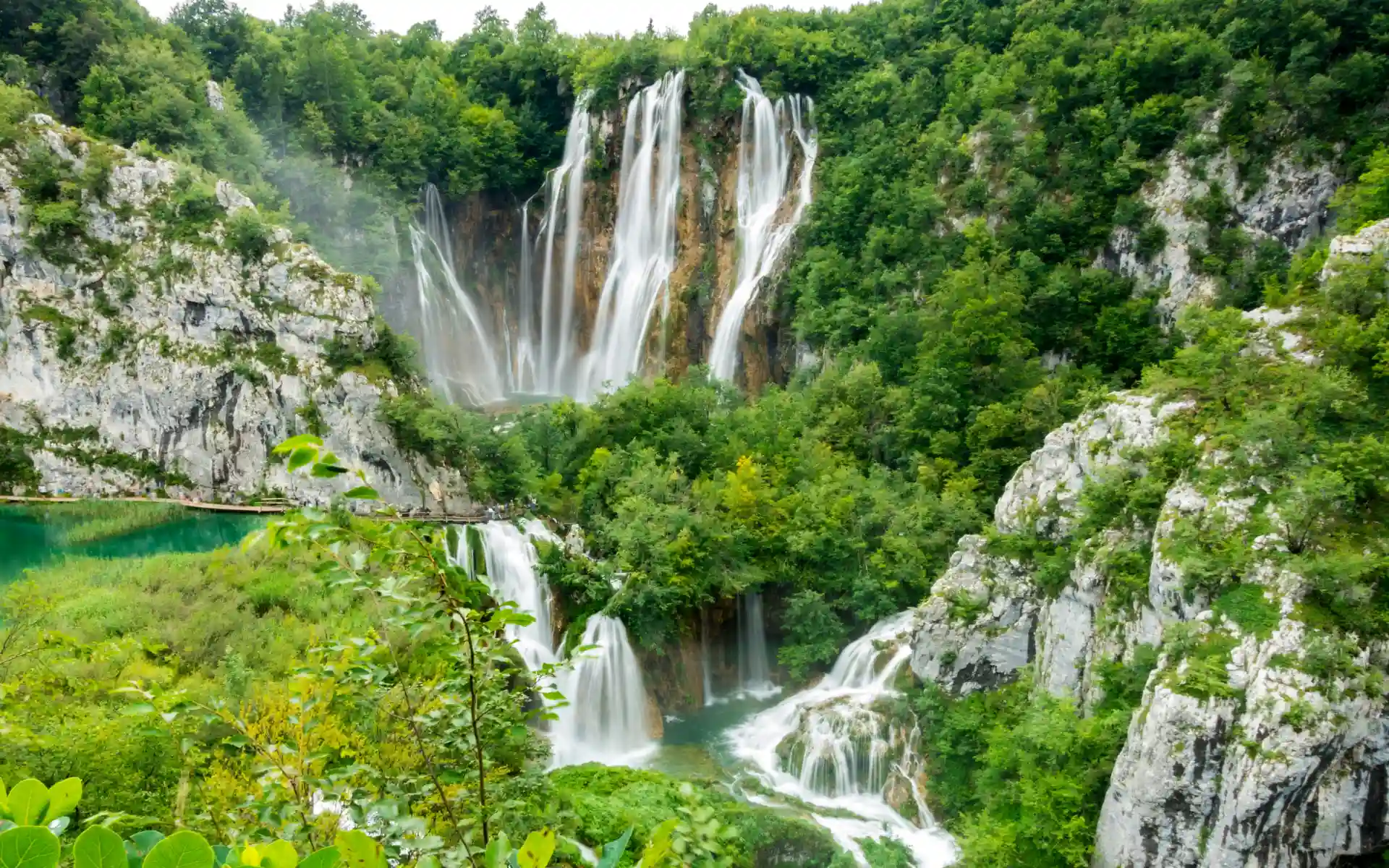
Sixteen terraced lakes connected by waterfalls, all in shades of turquoise and emerald, Plitvice is one of those places where the photos don't do it justice. It's Croatia's most-visited national park, and for good reason. The boardwalk system winds through the lakes at water level, which means you're not looking at the falls from a distance—you're walking right beside them.
To make the most of it with fewer people around, aim for early morning entry (the park opens at 7am in summer), visit in spring or fall when the crowds thin out significantly, and choose the longer hiking routes (Route K or H) that take you deeper into the upper lakes away from the day-trippers. The colors are actually most vivid in spring when snowmelt fills the lakes.
Planning tip: Book tickets online well in advance. The park has a strict daily visitor cap and frequently sells out during peak season, especially July and August. Don't show up without a ticket and expect to get in.
- Main attractions: Lower and upper lake circuits, Veliki Slap (Croatia's tallest waterfall), electric boat and train rides through the park
- Main airport and how to get there: The most common approach is via Zagreb Airport (ZAG), about 85 miles away, or Split Airport (SPU), about 100 miles away. Buses run directly from both cities.
- Best time to visit: April–May or October for smaller crowds and stunning colors. Avoid the July–August peak if possible.
- Budget range: $$. Park entry fees are $15–$40 depending on season. Nearby accommodation is reasonably priced.
- Best for: Nature lovers, families, photographers, hikers
- Average Going deal: $540 roundtrip
Isle of Skye, Scotland
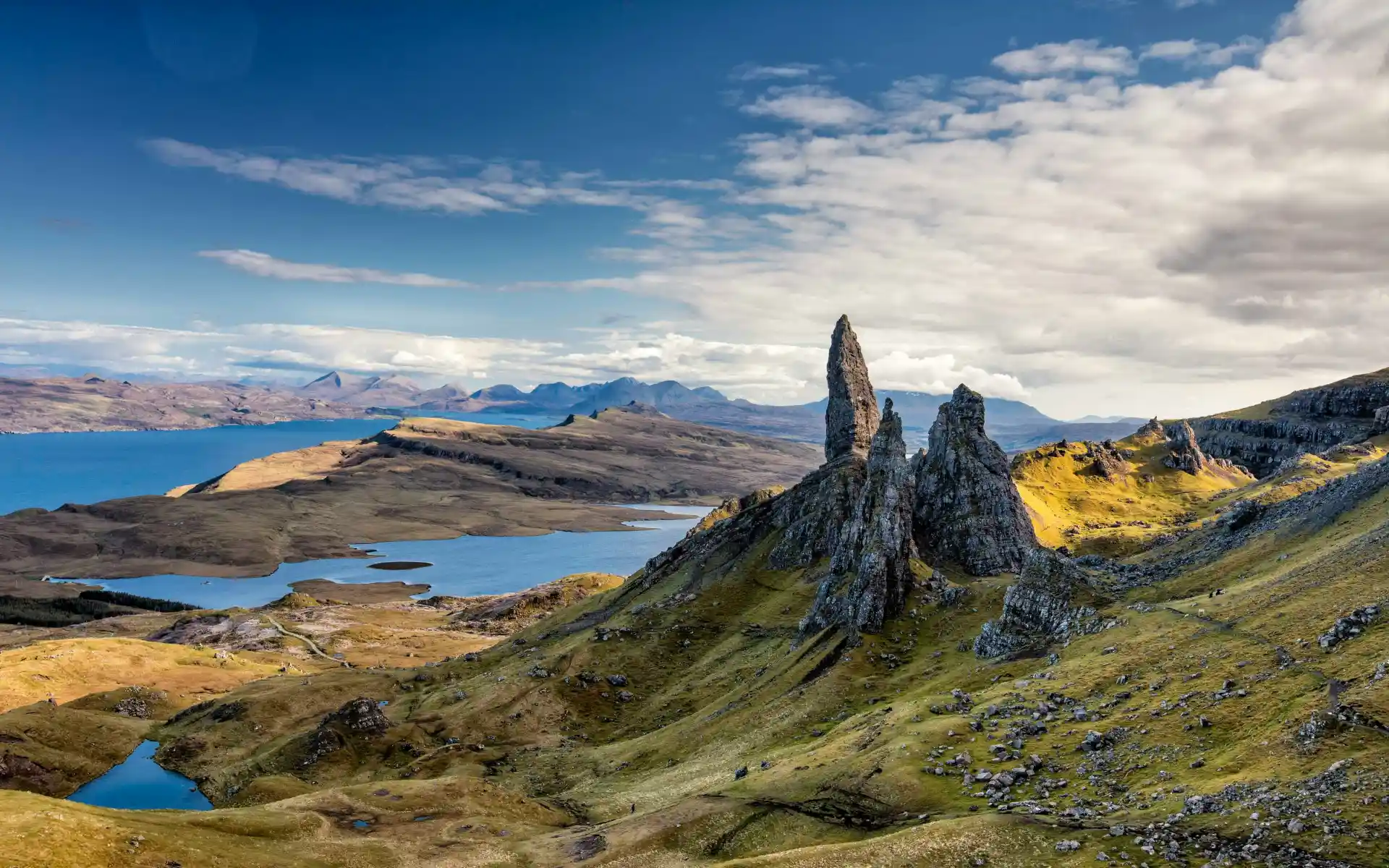
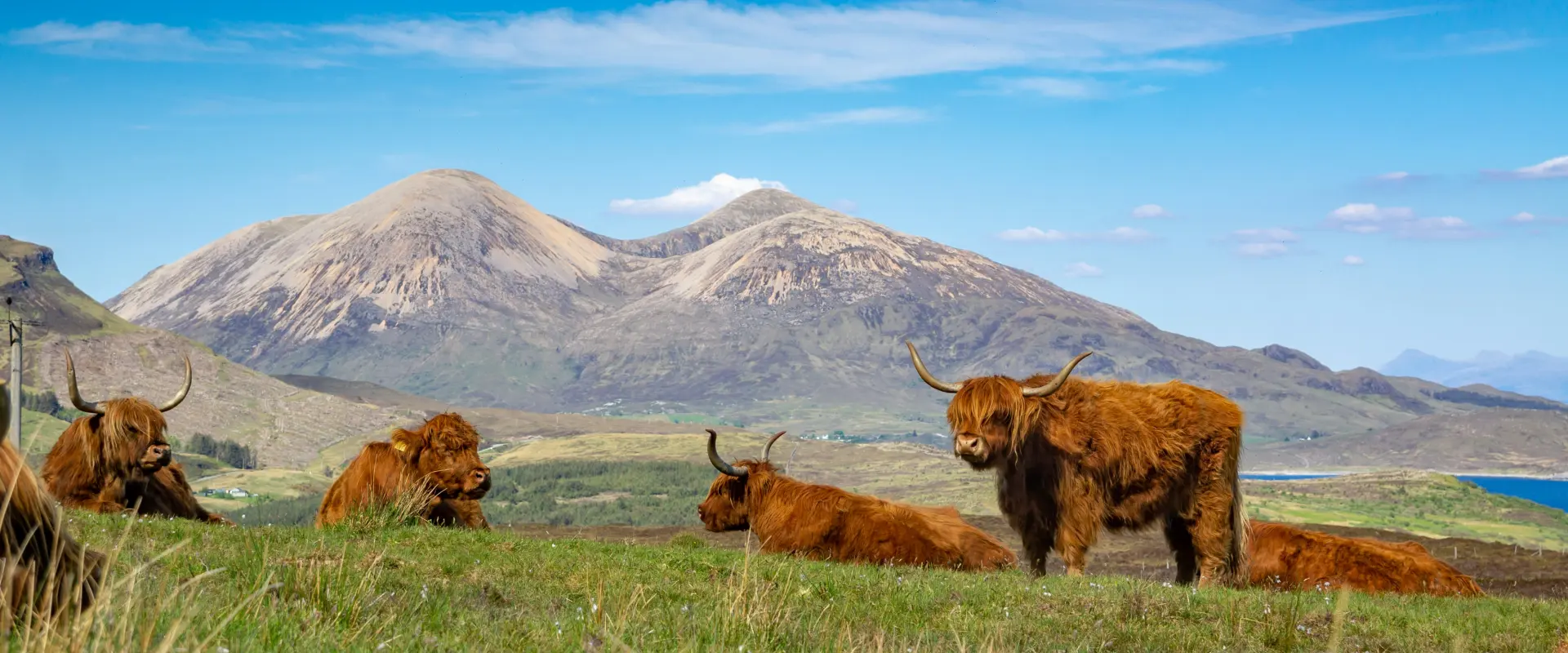
This is one of the most dramatic landscapes in the British Isles, and that's a competitive field. The Isle of Skye is a place of brooding mountains, ancient fairy pools, ruined castles on sea cliffs, and a quality of light that shifts by the hour. The Quiraing, the Cuillin Ridge, and the Old Man of Storr are all landscapes that make you feel tiny amidst their grandeur. Skye has become more popular in recent years, but its sheer scale means you can still find quiet corners with little effort. Rent a car, pick a direction, and explore the single-track roads that most visitors never venture down.
- Main attractions: The Fairy Pools, Old Man of Storr, Quiraing, Eilean Donan Castle (just before the bridge onto Skye), Talisker Distillery, Dunvegan Castle
- Main airport and how to get there: Inverness Airport (INV) is the most convenient, about 2.5 hours by car. Glasgow or Edinburgh airports are also options (around 4 hours). The island is connected to the mainland by a bridge, so no ferry is needed.
- Best time to visit: May–June for long daylight hours and relatively stable weather. September–October for autumn colors and far fewer tourists.
- Budget range: $$–$$$. The UK isn't cheap, but Skye itself is manageable. Budget $150–$200/day including a rental car.
- Best for: Nature lovers, hikers, photographers, road trippers, whisky enthusiasts
- Average Going deal: $544 roundtrip
The Dolomites, Italy

The Dolomites are vast, nearly 10,000 square miles of jagged pink-tinged peaks, alpine meadows, and mountain huts strung across northeastern Italy. As a traveler, that vastness is your best friend. The Val Gardena and Cortina d'Ampezzo get busy in summer and winter alike, but the Dolomites are big enough that heading even one valley over from the main tourist hubs puts you in a completely different world. Try the Fanes-Sennes-Braies Nature Park, the quiet villages of the Zoldo Valley, or a multi-day hike on the Alta Via routes to experience these mountains as they're meant to be: on foot, at altitude, with nothing but peaks in every direction.
- Main attractions: Tre Cime di Lavaredo, Lago di Braies, Alpe di Siusi (Europe's largest alpine plateau), the Alta Via hiking routes, Seceda ridgeline, rifugio (mountain hut) stays
- Main airport and how to get there: Venice Marco Polo Airport (VCE) is the most popular gateway, about 1.5–2 hours by car. Innsbruck Airport (INN) in Austria is also well-positioned. Car rental is strongly recommended; public transport is limited in the mountains.
- Best time to visit: June–September for hiking; December–March for skiing. Shoulder months (June and September) offer the best balance of conditions and crowd levels.
- Budget range: $$–$$$. Accommodation in the valley towns is reasonable; ski resorts and luxury rifugios push costs up. Budget $130–$200+/day.
- Best for: Hikers, skiers, photographers, families, and anyone who wants to combine grand outdoor adventures with excellent Italian food
- Average Going deal: $525 roundtrip
Unique cultural experiences to seek out
Beyond the famous museums and the well-worn sightseeing circuits, Europe has a calendar of festivals, food traditions, and architectural curiosities that reward curious travelers. These aren't necessarily destinations in themselves—think of them as experiences worth adding to your itinerary if you're passing through the region.
Festivals and traditions off the tourist trail
- Carnival in Rijeka, Croatia: One of Europe's oldest and most spectacular carnivals, Rijeka's pre-Lent celebration draws hundreds of thousands of visitors with elaborate masked processions, live music, and a weeks-long party atmosphere. It typically runs in February and is far less known internationally than Venice Carnival, which means the same fun at a fraction of the price.
- Up Helly Aa fire festival, Shetland, Scotland: Every January, the residents of Lerwick dress as Viking warriors, build a full-size replica longship, and set it on fire in one of the most extraordinary spectacles in Europe. It's remote, cold, and absolutely unforgettable. The main Lerwick festival is invitation-only for the evening celebrations, but the daytime procession is open to all, and smaller Up Helly Aa festivals happen across Shetland through the spring.
- La Tomatina, Buñol, Spain: On the last Wednesday of August every year, the small town of Buñol near Valencia hosts the world's biggest food fight: roughly 150,000 tomatoes launched between thousands of participants in the space of an hour. It's chaotic, messy, and joyful. Tickets are limited, so this should be booked well in advance.
- Medieval Days festival, Sibiu, Romania: Sibiu is one of Transylvania's most beautiful Saxon towns, and every June it transforms into a living medieval city for three days, with knights in armor, traditional craft markets, fire shows, and music filling the old town squares. It's a wonderful excuse to explore a part of Romania that most tourists never reach.
Culinary adventures beyond the obvious
- Truffle hunting tours in Umbria, Italy: Forget the expensive shaved truffle on your pasta—go find them yourself. Umbria, in central Italy, is prime truffle territory, and several farms and agritourism operations offer guided hunts with trained dogs through the oak forests. The season runs roughly October through December for black truffles, and experienced hunters often share the bounty in a meal afterward.
- Pintxos crawls in San Sebastián, Spain—San Sebastián has one of the highest concentrations of Michelin stars on Earth, but the real food experience here happens standing up at a bar, working your way through rounds of pintxos (Basque-style tapas piled high on bread) with a cold glass of txakoli (slightly sparkling local white wine). Move from bar to bar through the Old Town, order two or three pintxos at each stop, and repeat. It's social, delicious, and deeply local.
- Foraging tours in Scandinavia: Norway, Sweden, and Finland all have a right-to-roam tradition (called allemansrätten in Sweden) that lets anyone pick wild berries, mushrooms, and herbs on public land. Several operators—especially around Bergen in Norway and in the Swedish forests—now offer guided foraging experiences that combine a walk in the woods with a foraged meal. It's an unexpected way to connect with the landscape.
- Wine tasting in Tokaj, Hungary: The Tokaj wine region in northeastern Hungary produces one of the world's great dessert wines, and it's a UNESCO World Heritage site that’s overlooked by US travelers. The wine villages are charming, the cellars are ancient (some carved directly into volcanic rock), and the aszú wines—rich and complex—are divine. This is an easy day trip or overnight from Budapest.
Art and architecture beyond the big names
- Hundertwasserhaus, Vienna, Austria: Vienna has no shortage of grand imperial architecture, but this apartment building designed by artist Friedensreich Hundertwasser in the 1980s is something else entirely. Wavy floors, uneven surfaces, golden onion domes, and trees growing out of the walls. It's a real residential building, which makes it all the more surreal. The nearby Kunst Haus Wien museum has more of his work.
- Hallgrímskirkja church, Reykjavík, Iceland: This Lutheran church, designed to resemble the basalt columns formed by Iceland's lava flows, dominates the Reykjavík skyline and is unlike any other church in the world. The interior is stark and powerful, and the elevator to the tower offers the best views of the city and the mountains beyond.
- Quinta da Regaleira estate, Sintra, Portugal: Sintra is already one of Portugal's most magical places, a hillside town full of fairytale palaces. But the Quinta da Regaleira—a neo-Gothic estate with labyrinthine gardens, underground tunnels, and an initiatory well that spirals nearly 90 feet underground—takes things to another level. Give yourself at least two hours to explore properly.
- The Biennale Architettura pavilions, Venice, Italy: The Venice Architecture Biennale (held every two years in even-numbered years) takes over the Giardini and Arsenale with national pavilions from across the world, each responding to a different curatorial theme. It's one of the most thought-provoking cultural events in Europe and far less crowded than the Art Biennale.
Tips for exploring unique places in Europe
Travel during shoulder season for the best experience
July and August is the peak season across most of Europe, characterized by higher prices, longer lines, fully booked accommodations, and many other tourists doing exactly what you're doing. The sweet spot for most destinations in this guide is May–June or September–October. The weather is still excellent (especially in southern Europe), the crowds are a fraction of what they are in summer, and flights and hotels are noticeably cheaper. Some destinations, like the Faroe Islands or the Azores, are actually at their most dramatic in the shoulder months when mist and changing light make the landscapes come alive.
Get around like a local with European trains
Europe's rail network is one of the best in the world, and for many destinations in this guide, the train is not just convenient—it's the best part of the trip. Night trains are making a major comeback across the continent, connecting cities like Vienna, Prague, Paris, and Amsterdam overnight so you save on a night's accommodation while waking up somewhere new. For booking, Interrail (for European residents) and Eurail (for non-European visitors) passes offer excellent value if you're moving between multiple countries, while individual tickets booked in advance through national rail operators or platforms like Trainline can be surprisingly affordable.
Be a responsible traveler in lesser-known destinations
The places in this guide are popular partly because they've managed to fly relatively under the radar. Keeping them that way takes a collective effort. A few principles worth keeping in mind: Stay in locally owned accommodation rather than international chains, eat at locally owned restaurants, respect posted limits in natural areas like national parks, and if you're visiting somewhere small or sacred—like a village, natural site, or cultural festival—be conscious of your impact. The golden rule of off-the-beaten-path travel: Leave it the way you found it, or better.
Save on flights to Europe with Going
Getting to Europe doesn't have to break the bank. It just takes a bit of strategy. Going Premium and Elite members get access to mistake fares, cheap flight deals, and business class steals sent directly to their inbox. If you're flexible on timing and destination (even slightly), Going can help you plan a trip around the best available fare rather than the other way around. Check out our guides on how to find cheap flights, how to use Google Flights, how to travel more even on a small budget, travel hacks for cheap international flights, and the best time to book a cheap flight to sharpen your booking game before you start searching.

Find your flight to Europe with Going
Europe is full of places that will surprise you, move you, and make you want to return. The hard part isn't finding something worth seeing. It's getting there without spending a fortune on flights. That's where Going comes in.
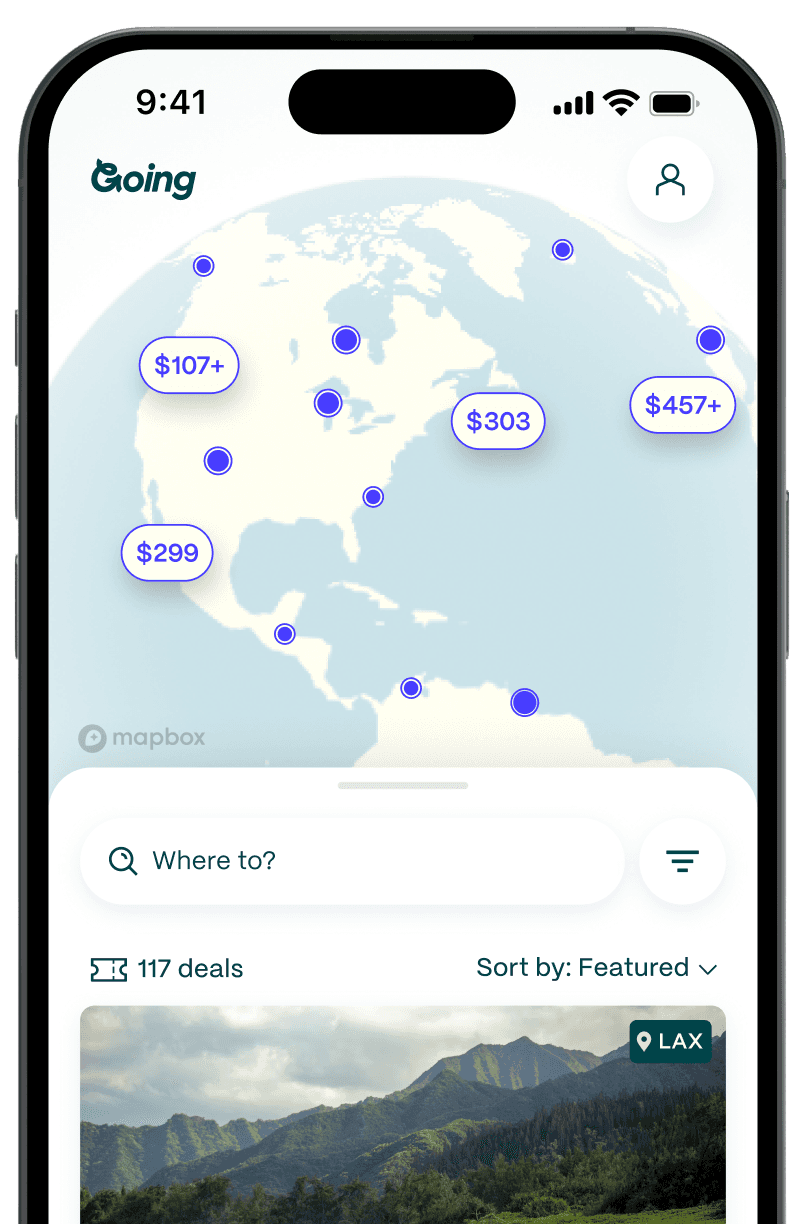
Going Premium and Elite members receive personalized flight deal alerts for their home airports, including error fares and deeply discounted international tickets that aren't widely advertised. Whether you're eyeing a last-minute deal to Reykjavík or planning a Balkans roadtrip six months out, Going helps you fly smarter and spend more of your budget on the trip itself. Start exploring deals in the Going app or at going.com.
Frequently asked questions
Which 7 wonders of the world are in Europe?
What are some underrated beautiful cities in Europe?
What is the quirkiest city in Europe?
What are the top 3 European countries to visit?
Last updated April 1, 2026
Articles you might like
View All