


Table of Contents
Pretty reliably, visiting Japan will defy your expectations. It's a place where ancient temples sit a short subway ride from robot restaurants, where you can ski powder in the morning and eat world-class sushi that night. If you've been dreaming about a trip to Japan, this guide will help you make the most of it.
Key takeaways
Here's a snapshot of what Japan has to offer.
The classic route: Tokyo, Kyoto, and Osaka
- Tokyo: Explore the neon-lit streets of Shinjuku, visit the historic Senso-ji Temple in Asakusa, experience teamLab's immersive digital art, and get lost in Akihabara's arcades and pop culture shops.
- Kyoto: Walk through the vermilion torii gates at Fushimi Inari-taisha, admire the gold-leaf facade of Kinkaku-ji, attend a traditional tea ceremony, and wander Gion's lantern-lit streets in the early evening.
- Osaka: Eat your way through Dotonbori's street food scene, explore Osaka Castle, and spend a day at Universal Studios Japan (Super Nintendo World alone is worth it).
Off the beaten path
- Sapporo: Visit in February for the world-famous Yuki Matsuri snow festival, ski legendary powder in nearby Niseko, and feast on Hokkaido's exceptional seafood and miso ramen.
- Okinawa: Snorkel the crystal-clear waters of the Kerama Islands, spot sea turtles and manta rays, and explore the Ryukyuan history of Shuri Castle.
- Nara: See the Great Buddha at Todai-ji, walk among freely roaming sika deer in Nara Park, and catch the atmospheric lantern-lit Kasuga Taisha Shrine—all an easy day trip from Kyoto or Osaka.

Extras you won't want to miss
- Pay your respects at the Peace Memorial Museum in Hiroshima.
- Catch Fukuoka's open-air yatai stalls for riverside ramen and skewers in one of Japan's most underrated food cities.
- Splurge on a Kobe wagyu beef tasting if your budget allows.
Cultural experiences
- Spend a night in a ryokan (traditional Japanese inn), and soak in a private or communal onsen.
- Discover Harajuku's wildly creative fashion subcultures and themed cafés.
- Attend a traditional tea ceremony in Kyoto, and read up on the seiza kneeling position before you book.
- Be a respectful visitor: Refrain from feeding the deer in Nara, and don't photograph geiko or maiko in Gion without permission.
Culinary highlights
- Osaka's Dotonbori is a central point of Japan's street food scene. Don't miss the takoyaki and okonomiyaki.
- Tokyo has more Michelin-starred restaurants than any city in the world. From ramen stalls to omakase counters, the food alone is worth the flight.
- Kyoto's kaiseki cuisine—a refined, seasonal multi-course meal—is an experience worth budgeting for.
- Hokkaido's dairy, seafood, and soft-serve ice cream are in a league of their own.
A classic trip to Japan
Most first-time visitors spend two to four weeks in Japan, enough time to cover the main stops on the classic route: Tokyo, Kyoto, and Osaka. Here's what to hit in each.
Things to do in Tokyo
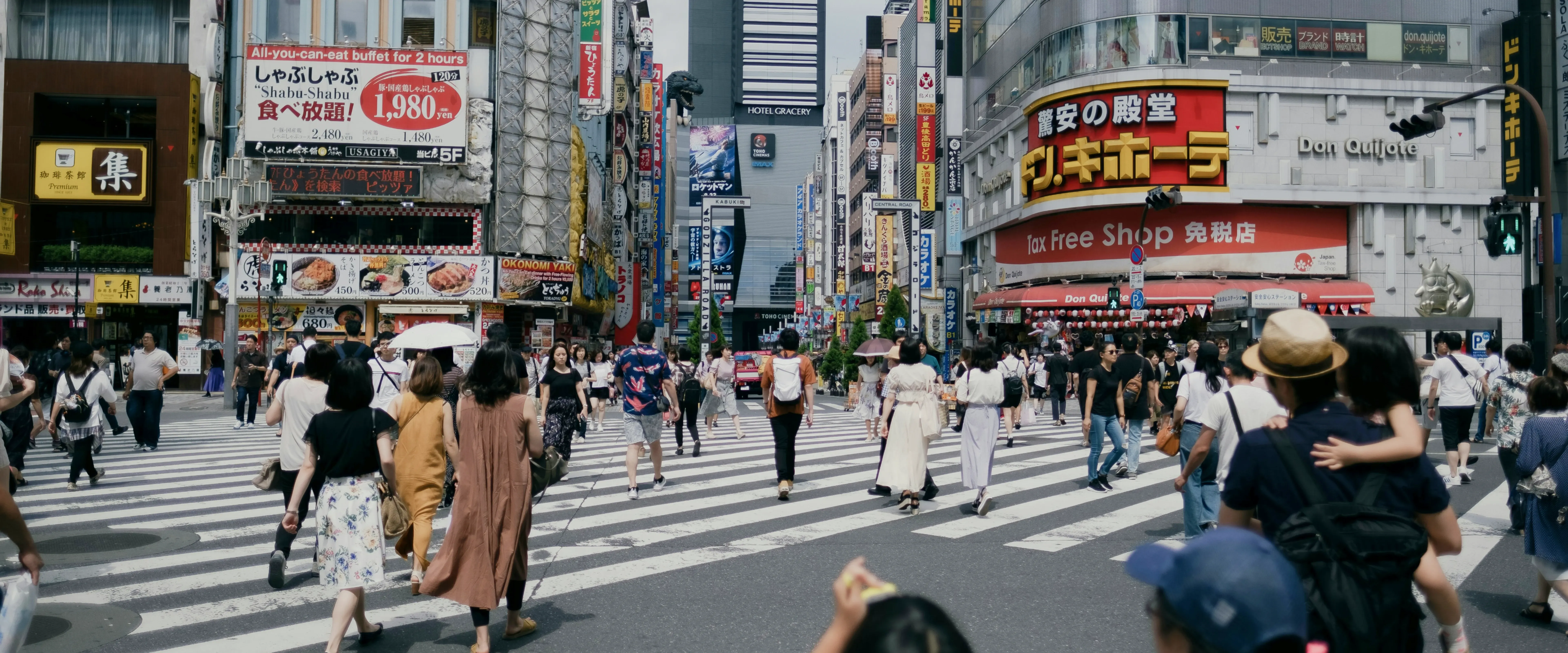
Tokyo is massive, thrilling, and surprisingly easy to navigate—once you make peace with the fact that you will not see all of it. Focus on the neighborhoods that excite you most, and let yourself get a little lost.
Shibuya Crossing and Shinjuku
- Shibuya Crossing is the kind of thing you've seen in a hundred movies, but standing in the middle of it—surrounded by hundreds of people crossing from every direction at once—still manages to feel electric. Go at night for the full neon effect, and grab a window seat at the Starbucks or Mag's Park viewing area above the crossing for an overhead view.
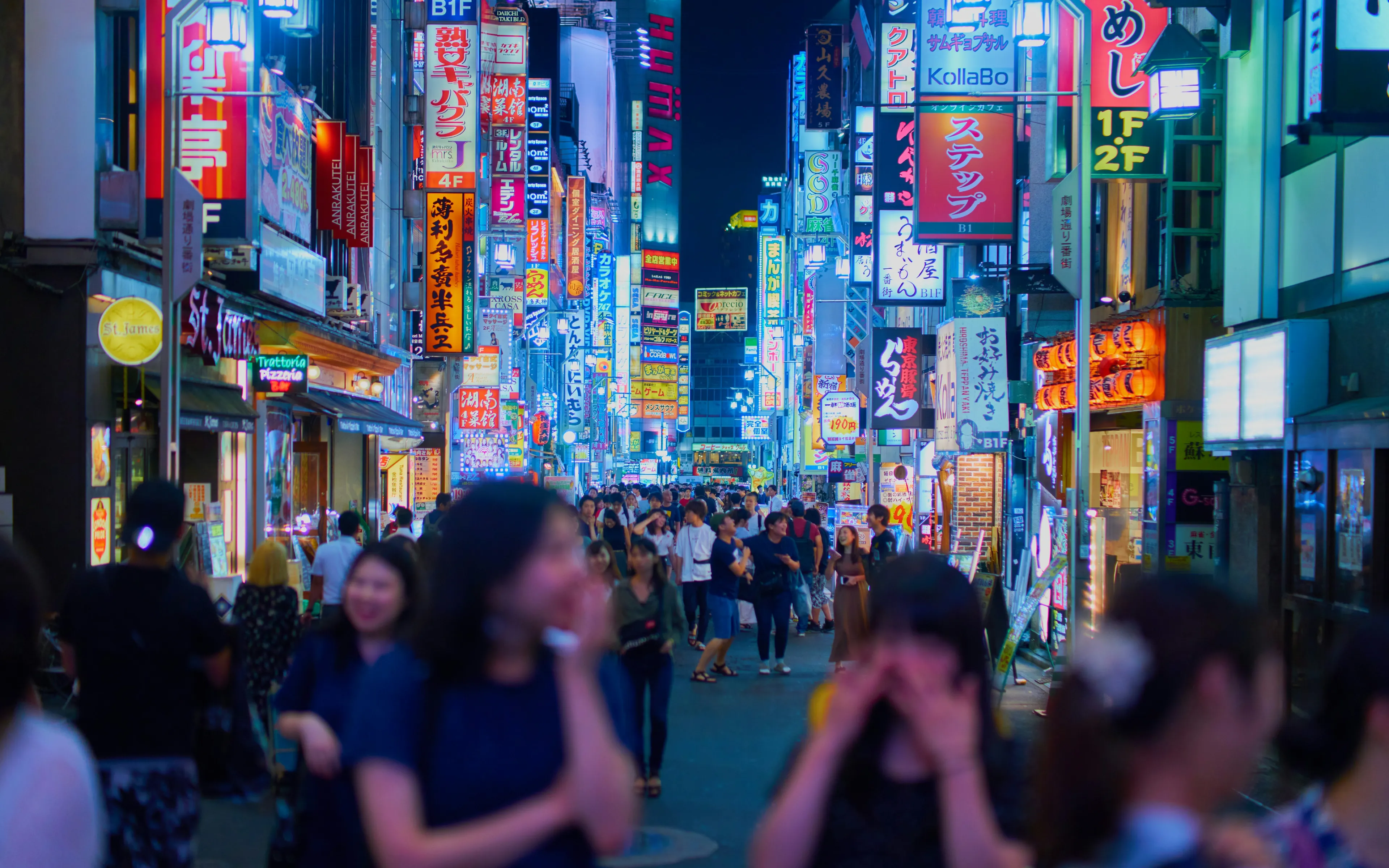
- Shinjuku rewards explorers willing to look past the obvious. Duck into Memory Lane (Omoide Yokocho) just outside the station's west exit—a narrow strip of tiny yakitori stalls that's been going since the post-WWII era. For local izakayas, wander the Kabukicho area or explore the calmer Shinjuku-sanchome neighborhood, where you'll find cocktail bars and jazz spots where locals go.
- Golden Gai, also in Shinjuku, is a tiny cluster of over 200 micro-bars, each fitting no more than a handful of people. It's one of Tokyo's most unique, local nightlife experiences.
Note: Shibuya Crossing and Shinjuku are two of the most popular neighborhoods in Tokyo. Alongside the cultural mainstays are tourist traps. Keep this in mind if you're looking for a genuinely authentic experience in Tokyo.
Senso-ji Temple and Asakusa
- Senso-ji, Tokyo's oldest temple, is magical in the early morning before tour groups arrive. Try to get there before 8am to catch the incense ritual in relative peace.
- Nakamise-dori, the temple's approach street, is lined with stalls selling traditional snacks and souvenirs—great for picking up omiyage (gifts) to bring home.
- The five-story pagoda behind the main hall is one of the city's most iconic views. Pair it with a stroll along the river for a clear shot of the Tokyo Skytree in the background.
- The backstreets of Asakusa hide independent craft shops, traditional artisan studios, and some excellent, under-the-radar coffee spots worth discovering on foot.
Note: If you have extra time to roam near Tokyo, take a look at our guide for the top day trips from Tokyo.
Meiji Shrine and Harajuku
- Meiji Jingu is a forested Shinto shrine dedicated to Emperor Meiji, a peaceful escape from the city, even on busy days. The towering wooden torii gate at the entrance sets the tone immediately.
- Takeshita Street in Harajuku is where Japan's most creative, colorful, and chaotic fashion subcultures are on full display. Best on weekend mornings when the crowd is at its most vibrant.
- Omotesando, just a short walk south, is Harajuku's more polished counterpart—Tokyo's answer to a luxury shopping boulevard, with excellent architecture and some of the city's best cafés tucked into the side streets.
Tokyo Tower and teamLab digital art
- Tokyo Tower offers one of the city's most iconic skyline views, especially at sunset. If you're choosing between the Tower and the Skytree, the Tower has a more classic, nostalgic feel while Skytree goes higher and offers a broader panorama.
- teamLab Planets (Toyosu) and teamLab Borderless (Azabudai Hills) are among the most remarkable art experiences in the world with immersive, room-sized digital installations that walk the line between art, technology, and pure wonder. Book tickets well in advance, as they sell out regularly.
Going tip: teamLab is worth planning your schedule around. It consistently ranks as one of the most visited museums in the world. If you can help it, avoid Saturday afternoons when it's at its busiest.
Akihabara for pop culture and gaming
- Multi-floor arcades with everything from UFO catcher machines to rhythm games and retro cabinets going back to the '80s.
- Retro game shops selling vintage cartridges, consoles, and memorabilia—a treasure hunt for collectors.
- Figurine and manga stores, some spanning six or seven floors, dedicated to every anime series imaginable.
- Maid cafés, where costumed staff serve themed food and drinks—a distinctly Akihabara experience and worth trying at least once.
Going tip: Set a budget before walking into Akihabara. The stores are designed to be browsed, and it's surprisingly easy to spend more than you planned on things you didn't know you wanted.
Things to do in Kyoto

Kyoto is Japan's cultural heart, a city of more than 1,600 Buddhist temples and 400 Shinto shrines, traditional wooden machiya townhouses, and some of the country's finest cuisine. It moves at a slower, more deliberate pace than Tokyo.
Fushimi Inari Taisha
- The iconic tunnel of thousands of vermilion torii gates winds 2.5 miles up the forested slopes of Mount Inari—every bit as stunning in person as in the photographs.
- Most tour groups turn around after the first hour. Keep going! The upper trails are quieter, and the views over Kyoto are even better.
- The shrine is open 24 hours and is best visited at dawn or after dark, when the lantern-lit gates take on a completely different quality.
Tip: Wear comfortable shoes. The full roundtrip hike takes about two hours and involves a serious climb.
Kinkaku-ji (Golden Pavilion)
- The gold-leaf-covered temple reflected in the mirror pond below it is one of Japan's most photographed sights (justifiably so).
- It's also one of the busiest, so arrive early and manage expectations for the crowds.
- The surrounding garden is beautifully maintained and worth taking slowly. Aka don't rush straight to the pavilion and leave.
Arashiyama Bamboo Grove
- The towering bamboo grove on Kyoto's western outskirts is atmospheric and beautiful, but it gets crowded early. Aim to arrive just after sunrise.
- Tenryu-ji, one of Kyoto's finest Zen temple gardens, sits right next to the grove and is well worth the entry fee.
- The Togetsu-kyo Bridge over the Oi River offers one of Arashiyama's best views, particularly in autumn when the surrounding hills turn red and gold.
- Monkey Park Iwatayama, a short hike up from the bridge, gives you a chance to see Japanese macaques up close, plus sweeping views over Kyoto from the top.
Tea ceremonies and kaiseki dining
- Traditional tea ceremonies (chado) are widely offered to visitors in Kyoto's Gion and Higashiyama districts. The structured, meditative ritual involves the preparation and serving of matcha.
- Kaiseki is one of Kyoto's contributions to world cuisine: a refined, multi-course meal that follows the seasons and emphasizes presentation as much as flavor. Even one kaiseki dinner is worth budgeting for.
Note: Tea ceremonies are a typical experience in Japan, but they require kneeling for long periods, which can be uncomfortable for some visitors. Do some research before booking a session so you go in feeling prepared.
Gion district and geisha culture
- Hanamikoji Street, the lantern-lit cobblestone heart of Gion, is one of the great atmospheric walks in Japan, best in the early evening when the ochaya (teahouses) light up.
- Geiko (Kyoto's term for geisha) and maiko (apprentice geisha) occasionally pass through Gion in the early evening. Observe respectfully.
- For a more structured experience, consider attending a formal performance or booking through a licensed experience operator to interact with geisha in a proper setting.
Note: Geishas may not wish to be photographed, so ask for permission or photograph only those who offer the service.
Things to do in Osaka

Osaka has a reputation as one of Japan's more fun cities—louder, friendlier, and more food-obsessed than its neighbors. Locals have a phrase for it: kuidaore, which roughly translates to "eat until you drop." And they mean it.
Street food in Dotonbori
- Dotonbori is Osaka's neon-drenched entertainment district and the undisputed capital of Japanese street food.
- Look for the iconic Glico running man sign, then start eating: fresh takoyaki, kushikatsu (breaded and fried skewers), steaming bowls of ramen, and gyoza are all within arm's reach.
- The canal-side walk along Dotonborihori River is a perfect evening activity. Grab something to eat and join the crowd.
Takoyaki and okonomiyaki spots
- Takoyaki (octopus-filled batter balls, topped with bonito flakes and sweet sauce) is Osaka's signature street food. Wanaka and Aizuya are local institutions worth seeking out.
- Okonomiyaki—a savory pancake layered with cabbage, meat, seafood, and toppings—is another Osaka staple. Head to Fukutaro in the Namba area for one of the best versions in the city.
- Many okonomiyaki restaurants let you cook at your own table grill, which is half the fun and a great way to spend a relaxed evening.
Universal Studios Japan
- Super Nintendo World is the main event—an interactive, playable version of the Mushroom Kingdom that is unlike anything else in the world.
- Arrive when the gates open and head straight there to grab a Power-Up Band wristband before they sell out.
- The rest of the park includes solid attractions across multiple themed areas, making it a full-day outing worth planning around.
Osaka Castle
- The castle itself is a postwar reconstruction, and the views from the upper floors over the city are excellent.
- The Nishimaru Garden surrounding the castle grounds is a highlight in spring (cherry blossoms) and autumn (foliage).
- Entry to the outer grounds is free, making it an easy and beautiful spot for a morning walk, even if you skip the interior.
What if we told you: Japan is closer than you think. Check out our guide on how to hack cheap international flights, and start planning your trip today.
Off the beaten path: Things to do in Sapporo
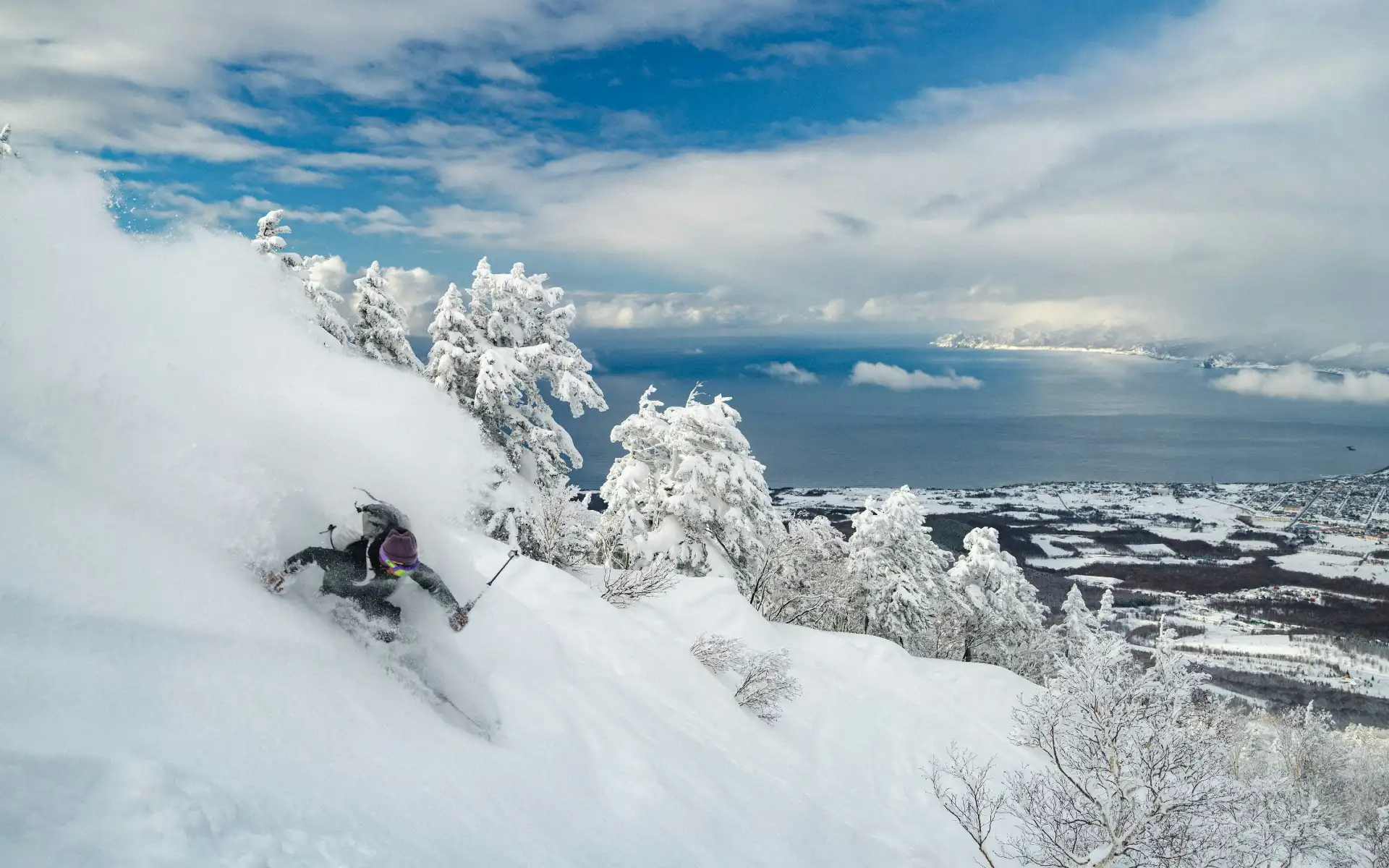
Sapporo is the capital of Hokkaido, Japan's northernmost main island. For winter travelers, it's non-negotiable. For summer and shoulder season travelers, it's a wonderful escape with far fewer travelers than the hotspots.
Odori Park and Sapporo Beer Museum
- Odori Park is the city's green spine and the heart of the annual Yuki Matsuri (Snow Festival) every February, when enormous, intricately detailed snow sculptures are lit up across the park.
- The Sapporo Beer Museum is a short walk away, free to visit with optional paid tastings of Hokkaido's iconic lager in a beautifully preserved Victorian-era brewery building.
Skiing and snowboarding in Niseko
- Niseko, about 90 minutes from Sapporo, is widely regarded as one of the world's finest ski destinations, famous for its legendary powder snow, long season, and well-developed infrastructure.
- It draws serious skiers from across Asia and increasingly from North America. Book accommodation months in advance for peak winter dates.
Snow Festival (Yuki Matsuri)
- Held every February across multiple sites in Sapporo, the Snow Festival draws nearly two million visitors for its massive, competition-worthy snow and ice sculptures.
- The Odori Park site is the main event. The Susukino site adds illuminated ice sculptures after dark.
Hokkaido's farm-to-table food scene
- Sapporo-style miso ramen—richer and heartier than Tokyo's—is the city's signature dish. Try it at a local ramen alley rather than a touristy chains.
- Nijo Market is the place for Hokkaido's extraordinary fresh seafood: sea urchin (uni), king crab, and salmon roe served over rice.
- Hokkaido soft-serve ice cream, made with the island's exceptional dairy, is in a league of its own. Don't skip it, even in winter.
A vacation to the seaside: Things to do in Okinawa
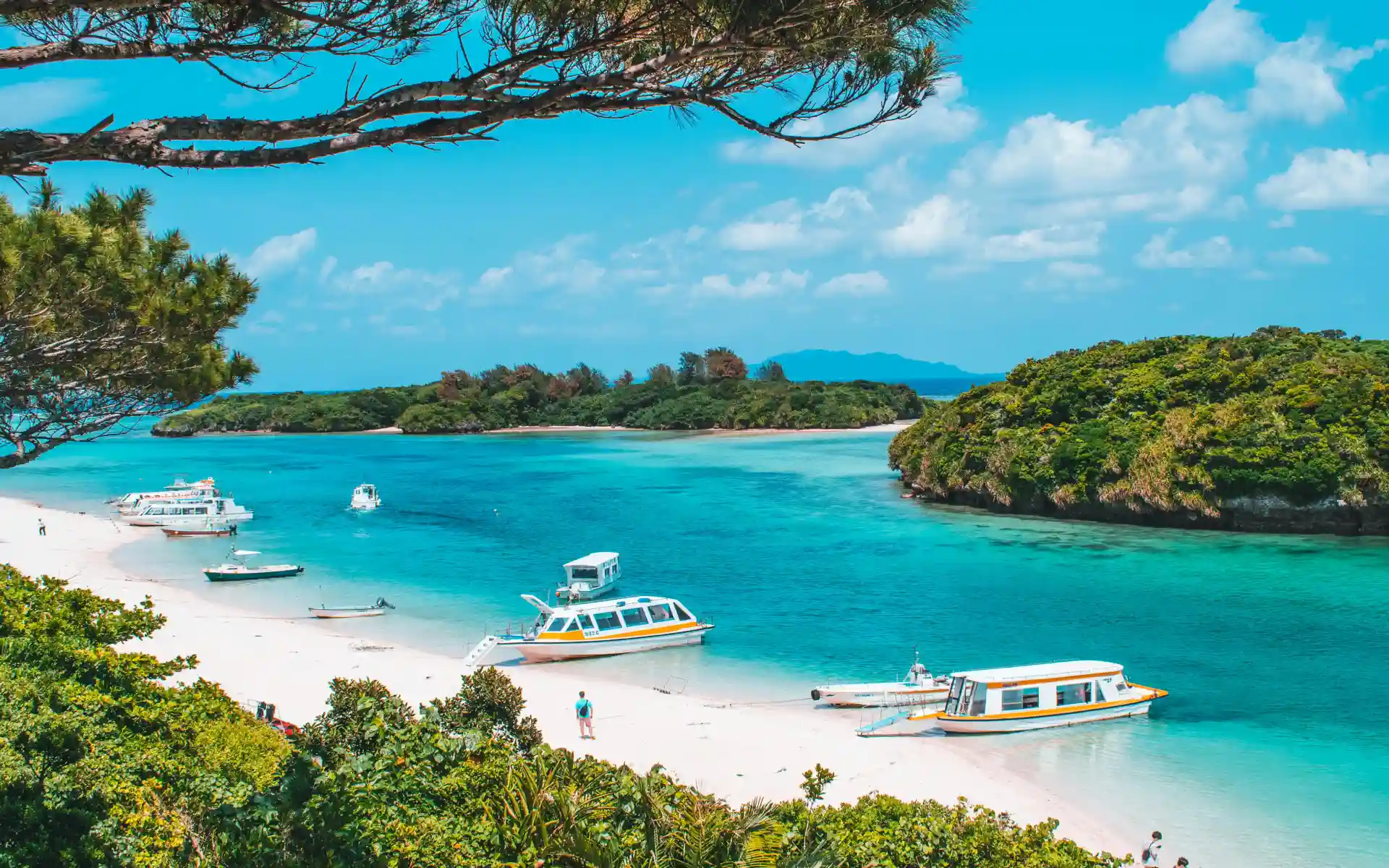
Okinawa is Japan but not quite as you'd expect it—a subtropical archipelago with turquoise water, white sand beaches, coral reefs, and a distinct Ryukyuan culture much different from the mainland.
Kerama National Park snorkeling and diving
- The Kerama Islands, a 30-minute ferry from Naha, are home to some of the clearest water in Asia, with remarkably healthy coral reefs.
- Snorkeling here is extraordinary even for beginners, and sea turtle encounters are pretty common.
Okinawa's beaches and water activities
- Emerald Beach in the north and the beaches around Onna Village on the west coast are among the island's most beautiful.
- Kayaking, stand-up paddleboarding, and glass-bottom boat tours are all widely available and well-organized for visitors.
Shuri Castle and Ryukyuan culture
- Shuri Castle in Naha was the seat of the Ryukyu Kingdom for centuries and is the most important cultural landmark in Okinawa.
- The castle was severely damaged by fire in 2019 and is currently under ongoing restoration, but portions are open, and its history is worth learning about.
Encounters with sea turtles and manta rays
- The waters around the Kerama Islands and Miyako Island offer some of the best manta ray diving in Japan, particularly between November and April.
- Many local dive operators offer certified and introductory dive experiences specifically focused on manta encounters.
The spiritual heart of Japan: Things to do in Nara
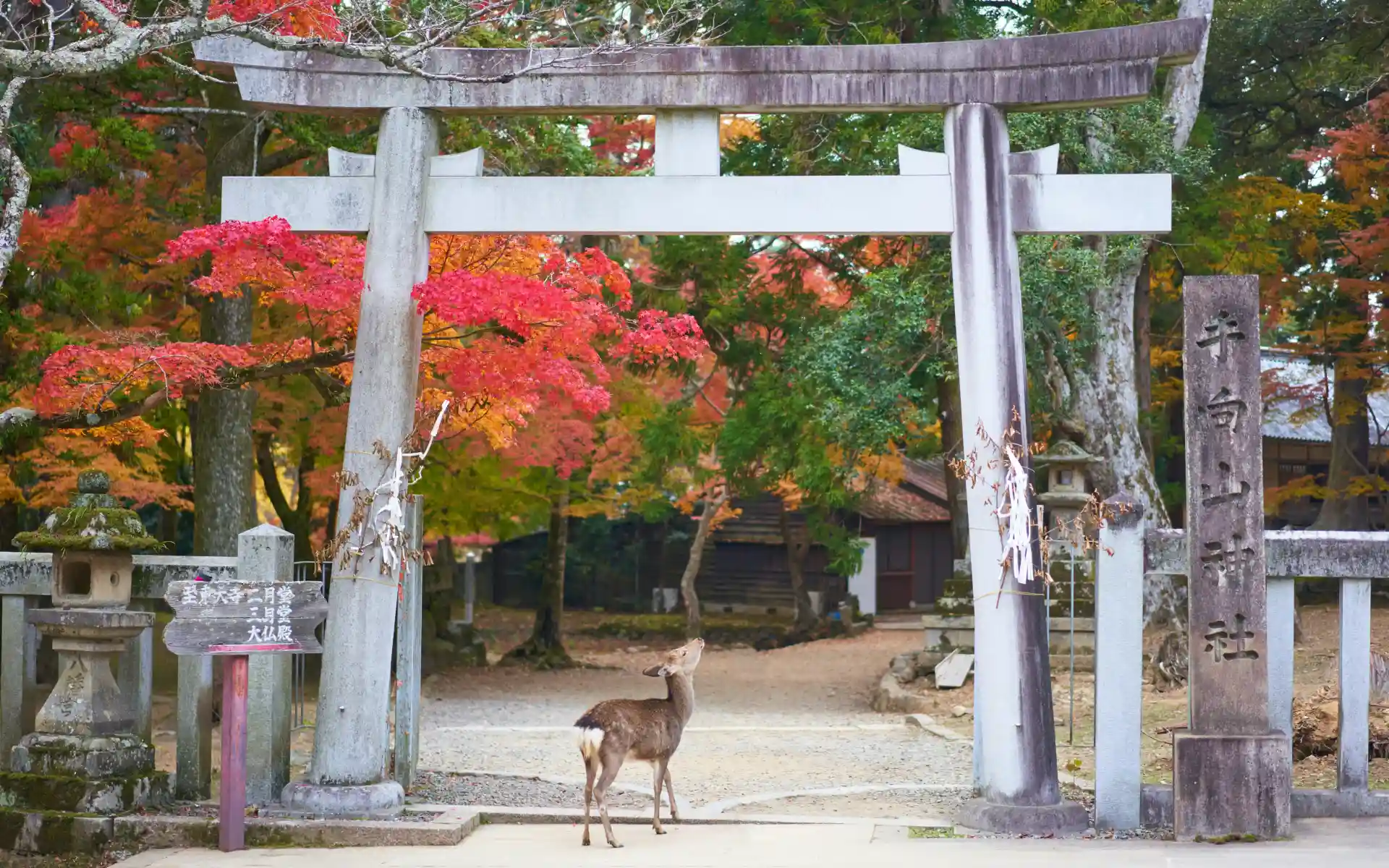
Nara is an easy and rewarding day trip from both Kyoto and Osaka.
Todai-ji Temple and the Great Buddha
- Todai-ji is one of the world's largest wooden buildings. Inside sits one of Japan's largest bronze Buddha statues, a figure so vast it dominates the entire interior.
- A hole in one of the support pillars, said to be the same size as the Buddha's nostril, draws a long line of visitors who squeeze through for good luck. It's gimmicky but worth doing if you're already there.
Nara Park and the free-roaming deer
- More than 1,000 sika deer roam freely through Nara Park, comfortable around humans and often entertainingly bold about it.
- While many visitors buy deer crackers (shika senbei) to feed the deer, the city of Nara has asked people to stop, as feeding disrupts the deer's natural diet and can lead to health problems. The deer are fascinating and photogenic, and therefore still worth a visit.
- For more on responsible wildlife encounters while traveling, check out our guide to ethical animal encounters.
Kasuga Taisha Shrine
- Kasuga Taisha is an atmospheric Shinto shrine famous for its hundreds of bronze and stone lanterns lining the forested approach.
- During the Mantoro lantern festivals in February and August, the shrine's inner precinct is lit entirely by lantern light—one of Japan's most magical annual events.
Day trip tips from Kyoto or Osaka
- Nara is about 45 minutes from Kyoto and 30 minutes from Osaka by train, an easy and worthwhile half-day or full-day addition.
- Arrive by 9am before the tour buses, and factor in a walk through the Naramachi historic district of traditional merchant townhouses on your way back.
Extras you cannot skip
A few more Japan experiences that deserve a spot on your list, especially if you have extra time or a return visit on the horizon:
- Nintendo World at Universal Studios Japan: Even non-gamers find this area magical. The level of detail and interactivity in Super Nintendo World is impressive and unlike anything you'll find elsewhere.
- Hiroshima and Nagasaki: Both cities are essential, moving experiences that put Japan's 20th-century history at the forefront. The Peace Memorial Museum in Hiroshima is definitely worth a visit.
- Fukuoka's yatai street food stalls: Fukuoka has a unique street food tradition: tiny open-air stalls set up along the riverbanks every evening, serving ramen, skewers, and cold beer in a convivial, unpretentious atmosphere.
- Kobe wagyu beef tastings: If your budget allows, a proper Kobe beef tasting—thinly sliced and either grilled tableside or served as part of a set menu—is one of the great culinary experiences in the world.
Read more
Planning a Japan trip? These guides go deeper on everything you need to know:
- Tokyo: Most Michelin stars in the world — A deep dive into Japan's buzzing capital
- Things to do in Tokyo — Your guide to the top spots and experiences there
- Tokyo itinerary — How to make the most of your days in the city
- Where to stay in Tokyo — The best neighborhoods and hotels for every budget
- Shirakawa-go — A fairytale village frozen in time
- Best time to visit Japan — Cherry blossoms, summer festivals, autumn foliage: when to go and why

Get your ticket to Japan with Going
Japan might feel like a big trip to plan, but the hardest part is usually finding the flight. That's where Going comes in. We track flight deals 24/7 and send you alerts when prices drop on routes you care about, including flights to Tokyo, Osaka, and beyond. Join Going Premium, and let us find your way there, or go Elite for business and first-class discounts.
Last updated March 11, 2026